An explosion on a gas pipeline in eastern Syria has cut supplies to power stations, marking the latest in a series of attacks on the country's fragile energy infrastructure. The incident occurred on Monday evening near the town of Al-Shoula, close to Deir ez-Zor, according to the official SANA news agency.
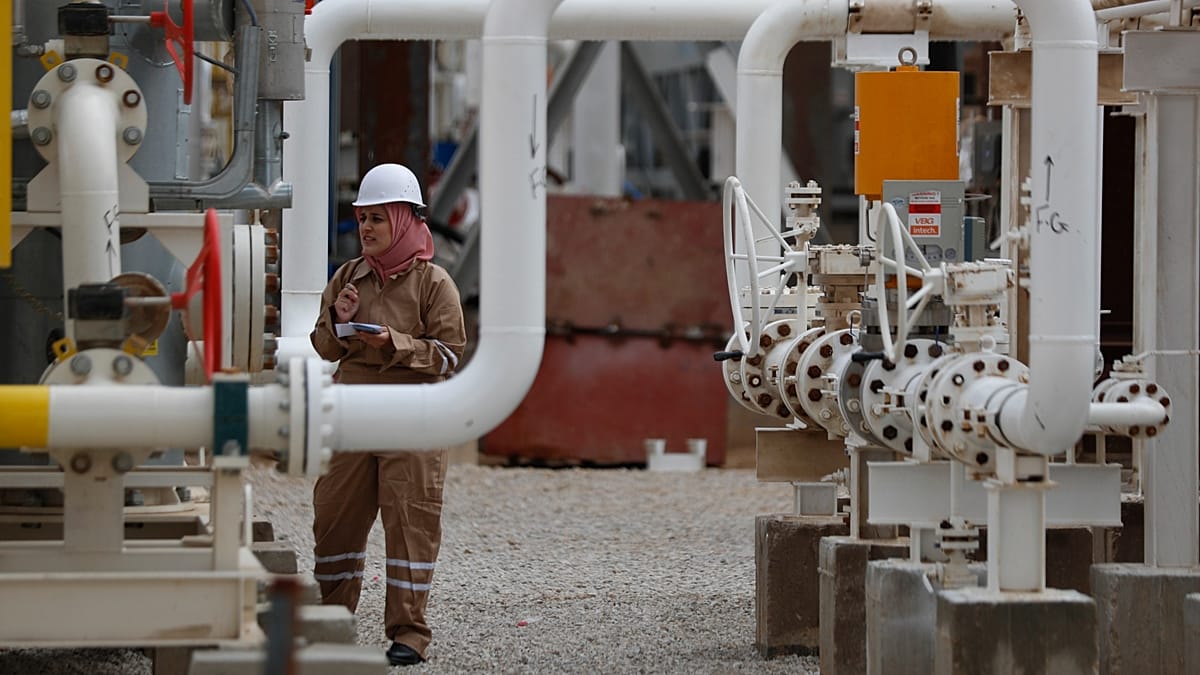
SANA quoted an official from the Syrian Petroleum Company as saying that a sectional valve was destroyed in the blast, halting gas flow from the Al-Jabsah processing plant to electricity generators. The cause was described as sabotage, though no group has yet claimed responsibility.
Deir ez-Zor province, which holds most of Syria's oil and gas reserves, has been a persistent target for remnants of the so-called Islamic State group since its territorial defeat in 2019. These asymmetrical attacks are widely seen as an attempt to undermine the central government's efforts to secure its energy logistics and rebuild the country's economy.
This is not the first time the Al-Jabsah facility has been hit. In August, a similar attack on the same pipeline was also attributed to sabotage by Syrian authorities. The repeated strikes highlight the vulnerability of Syria's energy network, which is already operating far below pre-war capacity.
Energy crisis deepens
Syria's energy sector has been devastated by more than a decade of conflict. Energy Minister Mohammad al-Bashir said the country now produces just 8.5 million cubic metres of gas per day, compared with 30 million cubic metres before the war. Demand, however, stands between 22 and 25 million cubic metres, leaving a massive shortfall.
The gap has led to chronic power cuts and rising fuel prices, which in turn have sparked public anger. Earlier this month, protests broke out in several Syrian cities over the cost of fuel, with many blaming the government's policies and the ongoing war in Iran for the hikes.
In an effort to attract foreign investment and revive the sector, Damascus signed a contract with US oil giant ConocoPhillips in June to develop Syria's gas fields. The new authorities, who took power after the fall of Bashar al-Assad in 2024, have made energy reconstruction a priority, but security remains a major obstacle.
The latest sabotage underscores the challenges facing Syria's post-war recovery. As long as militant groups can strike at will, the country's energy infrastructure will remain a weak point, hampering efforts to restore normal life for millions of Syrians.
For Europe, the instability in Syria's energy sector is a reminder of the broader risks to global energy supplies, especially as the continent seeks to diversify its sources. The EU has been urging member states to reduce energy consumption ahead of winter, and any disruption in the Middle East can have ripple effects on prices worldwide.
While the immediate impact of this attack is limited to Syria, the pattern of sabotage against critical infrastructure is a concern that resonates beyond the region. As European ministers discuss joint responses to hybrid threats, the situation in Deir ez-Zor serves as a case study in how non-state actors can destabilise energy networks.