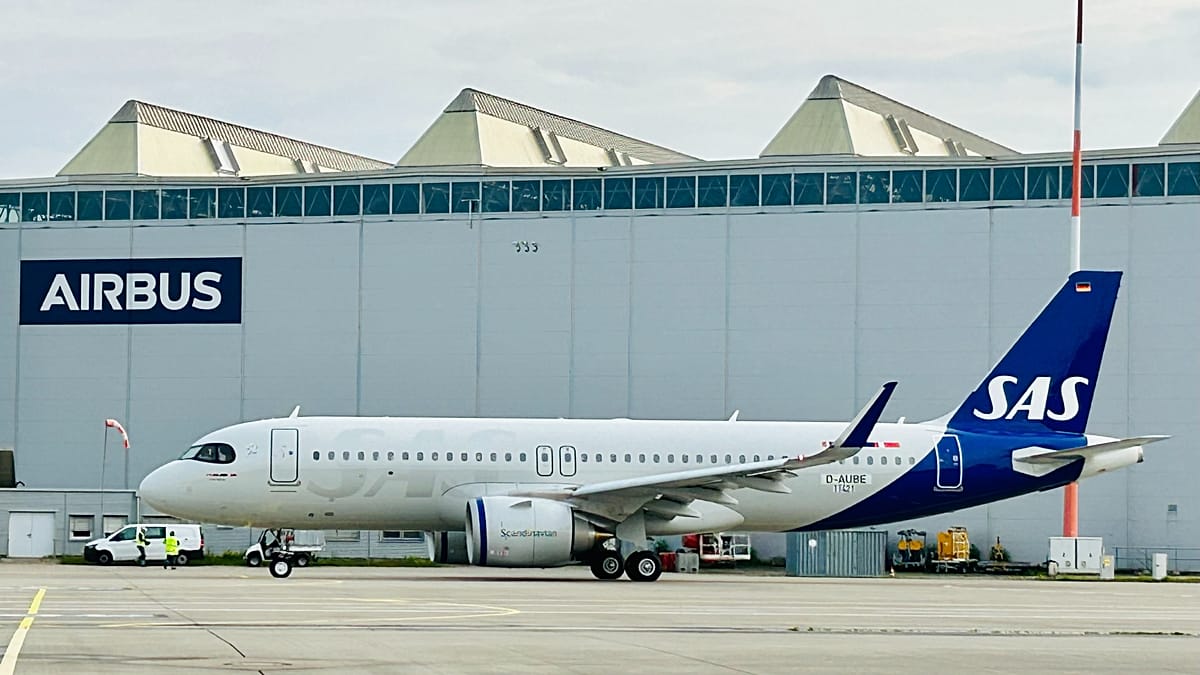
Scandinavian airline SAS confirmed on Tuesday in Copenhagen its largest-ever aircraft order, committing to up to 40 twin-aisle jets from Airbus's A330 family. At list prices, the deal is valued at more than $10 billion (€8.75 billion), though industry-standard discounts likely reduce the final cost significantly.
The order includes a mix of the newer, more fuel-efficient A330-900 (part of the A330neo range) and the older A330-300, which will help the carrier expand its long-haul capacity in the near term. First deliveries are expected from the early 2030s.
From Bankruptcy to Record Investment
The scale of the commitment underscores a remarkable recovery for SAS. The airline exited US Chapter 11 bankruptcy protection in 2024 after a painful restructuring that wiped out billions in debt, delisted its shares, and brought in new owners led by the Air France-KLM group. As part of that overhaul, SAS also left the Star Alliance to join the rival SkyTeam grouping.
Since then, the carrier has returned to operating profit in 2025 after heavy losses the previous year. The Airbus order follows a 2024 deal for 55 Embraer regional jets, and SAS is presenting the combined investment as the foundation of its fleet strategy for the decade ahead.
Why Airbus Won Over Boeing
The decision is a notable victory for European manufacturer Airbus over its US rival Boeing, whose 787 Dreamliner and 777X had been in contention. SAS already operates A330s on its long-haul network, and sticking with the same manufacturer avoids the heavy costs of introducing an entirely new aircraft type—including retraining, spare parts, and ground support.
That logic of fleet commonality runs through the order. SAS said the additional A330-300s would be fully compatible with its existing Airbus operations, while the newer A330-900 shares the overwhelming majority of its airframe components with the older model. For Airbus, the win adds another European flag carrier to a widebody order book already swollen by airlines racing to replace ageing and less efficient jets.
The recovery at SAS comes as European aviation faces broader challenges, including heatwaves that have disrupted operations across the continent. In recent weeks, Swiss glaciers hit record early melt as Europe's heatwave accelerates ice loss, while France recorded roughly 1,000 excess deaths during the heatwave. Such climate pressures are pushing airlines to invest in more fuel-efficient aircraft, a trend that SAS's order aligns with.
The airline's bet on long-haul travel reflects confidence in post-pandemic demand recovery, particularly on routes connecting Scandinavia to North America and Asia. With the new jets, SAS aims to strengthen its position at hubs like Copenhagen, Oslo, and Stockholm, while competing with low-cost carriers and legacy rivals alike.