An 89-year-old man from Guadalema de los Quintero, a district of Utrera in the province of Seville, has died after contracting West Nile virus. He was admitted to the Virgen del Rocío Hospital in Seville on Monday with meningoencephalitis, a severe inflammation of the brain and surrounding membranes caused by the infection.
This is the second death from West Nile virus in Andalusia this season. The first occurred on 5 August, when an 82-year-old resident of Dos Hermanas, also in Seville province, died. That patient had pre-existing health conditions, according to regional health authorities.
Andalusia has now recorded 54 human cases of West Nile fever this year, of which 37 are mild and 17 severe. Four patients remain hospitalised, while the others have recovered. The regional government has not disclosed the current condition of the latest patient beyond his death.
Seville province bears the brunt
The Andalusian regional government has placed 27 municipalities, one district and one outlying settlement on alert after detecting human cases or evidence of the virus circulating in mosquitoes, birds or horses. Most of these areas are in the province of Seville, including the capital, Dos Hermanas, Coria del Río, La Puebla del Río, Los Palacios y Villafranca and Guadalema de los Quintero.
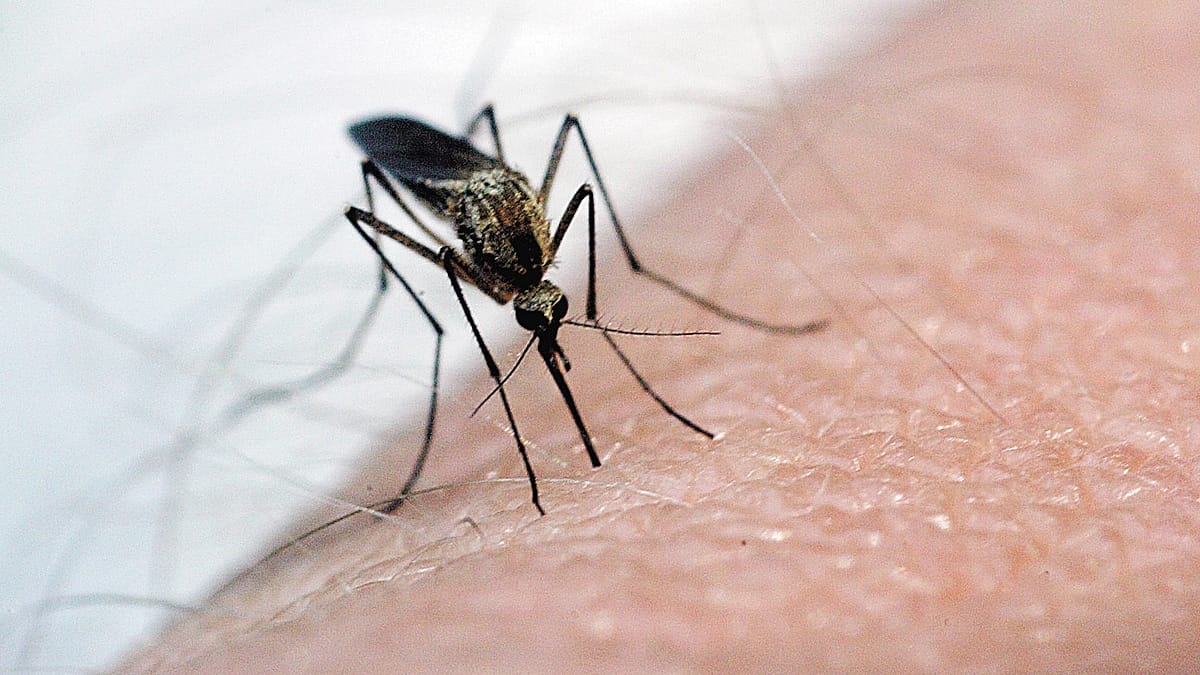
Recent trapping and testing have also found high numbers of female mosquitoes capable of transmitting the virus in several Seville municipalities, including La Puebla del Río, Los Palacios y Villafranca, Isla Mayor and Villamanrique de la Condesa. The presence of these vectors, combined with confirmed human cases, has prompted local authorities to intensify surveillance and public health messaging.
The outbreak in southern Spain is part of a broader pattern across the Mediterranean. Greece is also battling a significant West Nile outbreak, with 232 cases and 19 deaths reported this season. The parallel outbreaks highlight how climate change is expanding the range and activity period of the Culex mosquitoes that carry the virus.
What is West Nile virus?
West Nile virus is a mosquito-borne infection that can affect humans, birds and other animals. It was first identified in 1937 in Uganda, in the western Nile region, and later spread to North America. In recent years, its presence has grown across southern and central Europe, aided by warmer temperatures that allow mosquitoes to remain active for longer periods.
Most people infected with West Nile virus show no symptoms at all. When symptoms do appear, they typically include fever, headache, muscle and joint pain, and sometimes vomiting, diarrhoea or a skin rash. In about 1% of cases, the virus causes serious neurological complications such as encephalitis or meningitis. The risk of severe disease is highest in people over 60 and those with chronic conditions such as diabetes, hypertension or kidney disease.
Health officials in Andalusia advise residents in affected areas to use insect repellent, wear long sleeves and trousers at dawn and dusk, and eliminate standing water where mosquitoes breed. They also urge people to report dead birds, which can be an early indicator of viral circulation.
The situation in Seville is being closely monitored by the European Centre for Disease Prevention and Control, which has noted an increase in West Nile virus activity across the continent this summer. For now, the regional government has not imposed restrictions on movement, but it has stepped up fumigation in the most affected municipalities.
As the season progresses, the focus remains on preventing further infections and protecting the most vulnerable. The death of the 89-year-old man is a stark reminder that the virus, though often mild, can be deadly for older people.