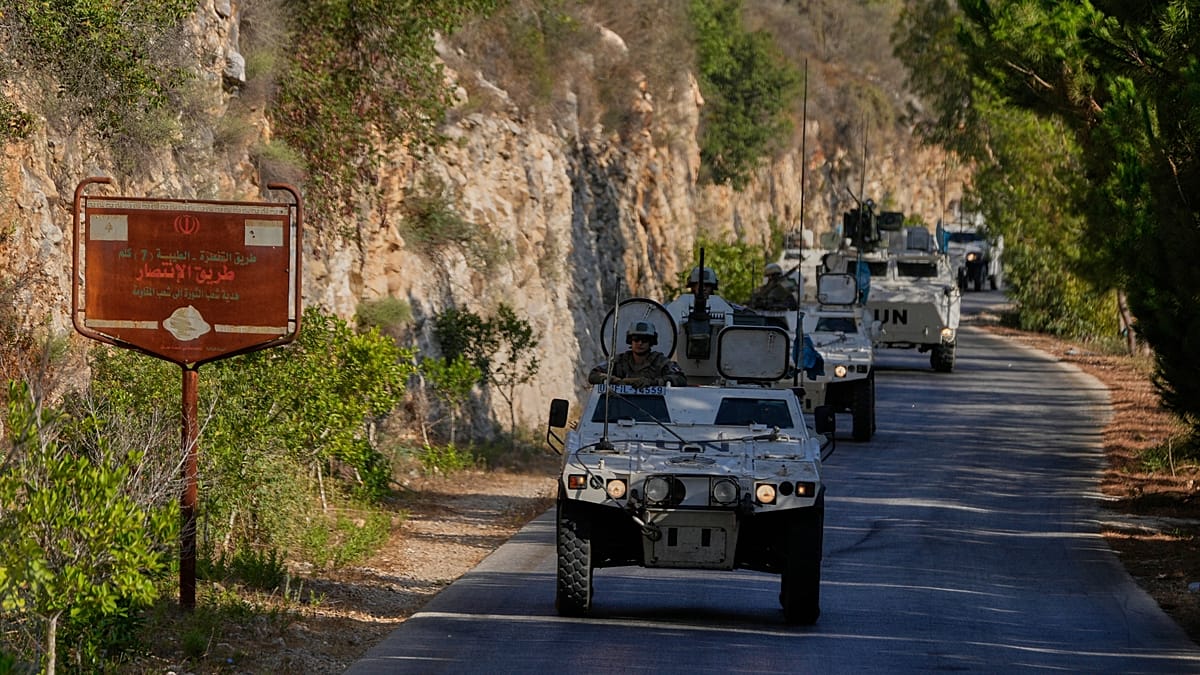
A United Nations peacekeeper from Serbia died on Thursday after shelling struck a UNIFIL base near Marjayoun in southeastern Lebanon the previous night, the United Nations Interim Force in Lebanon (UNIFIL) confirmed. Two other peacekeepers were wounded and are receiving treatment at a medical facility on the base.
The attack marks the latest in a series of deadly incidents since the escalation of hostilities between Hezbollah and Israel, which began in the context of the broader Iran-linked conflict. UNIFIL stated that the peacekeeper received emergency medical care before being airlifted to a hospital in Beirut, where he succumbed to his injuries.
“Deliberate attacks on peacekeepers are grave violations of international humanitarian law and of Security Council Resolution 1701, and may amount to war crimes,” the mission said in a statement. The circumstances of the shelling remain unclear, and UNIFIL has launched an investigation to determine responsibility.
Rising Toll on Peacekeepers
UNIFIL has reported an increasing number of trajectories and impacts in southern Lebanon, calling for an end to the violence. The mission has lost seven peacekeepers since renewed fighting erupted in March. In late March, an Indonesian blue helmet was killed by an Israeli tank shell, according to a preliminary UN investigation. The following day, two more Indonesian peacekeepers died from an improvised explosive device, which the UN attributed to Hezbollah. In April, two French peacekeepers were killed in an ambush that French President Emmanuel Macron blamed on Hezbollah, though the group denied involvement.
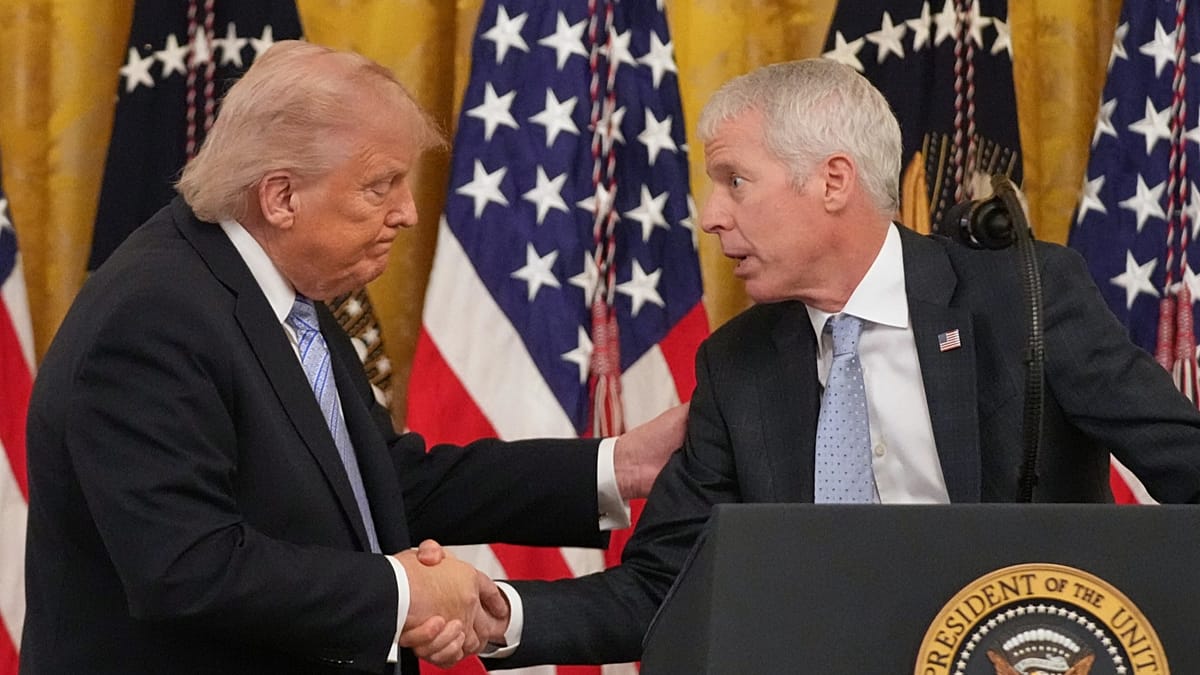
The latest fatality comes amid a fragile diplomatic backdrop. On Wednesday, Israel and Lebanon agreed to a conditional ceasefire following a fourth round of negotiations in Washington. However, Hezbollah, which was not party to the talks, rejected the plan, and Israel resumed strikes in southern Lebanon on Thursday.
The European Union has repeatedly called for restraint and adherence to international law. The death of a Serbian peacekeeper underscores the risks faced by European personnel serving in UNIFIL, which includes contingents from nearly 50 countries, among them 170 from Serbia. The mission, established in 1978, monitors the Blue Line—a 120-kilometre demarcation line serving as a buffer between Lebanon and Israel.
As the conflict continues to destabilise the region, European diplomats have warned that further escalation could undermine broader efforts, including US-Iran nuclear talks. The situation remains volatile, with UNIFIL urging all parties to avoid targeting peacekeepers and to respect Security Council Resolution 1701.