For the first time in its history, a FIFA World Cup final included a half-time show, transforming the break between Spain and Argentina into a spectacle reminiscent of the Super Bowl. The event, held at MetLife Stadium in East Rutherford, New Jersey, extended the interval to nearly 30 minutes, far beyond the usual 15-minute pause.
A Star-Studded Lineup
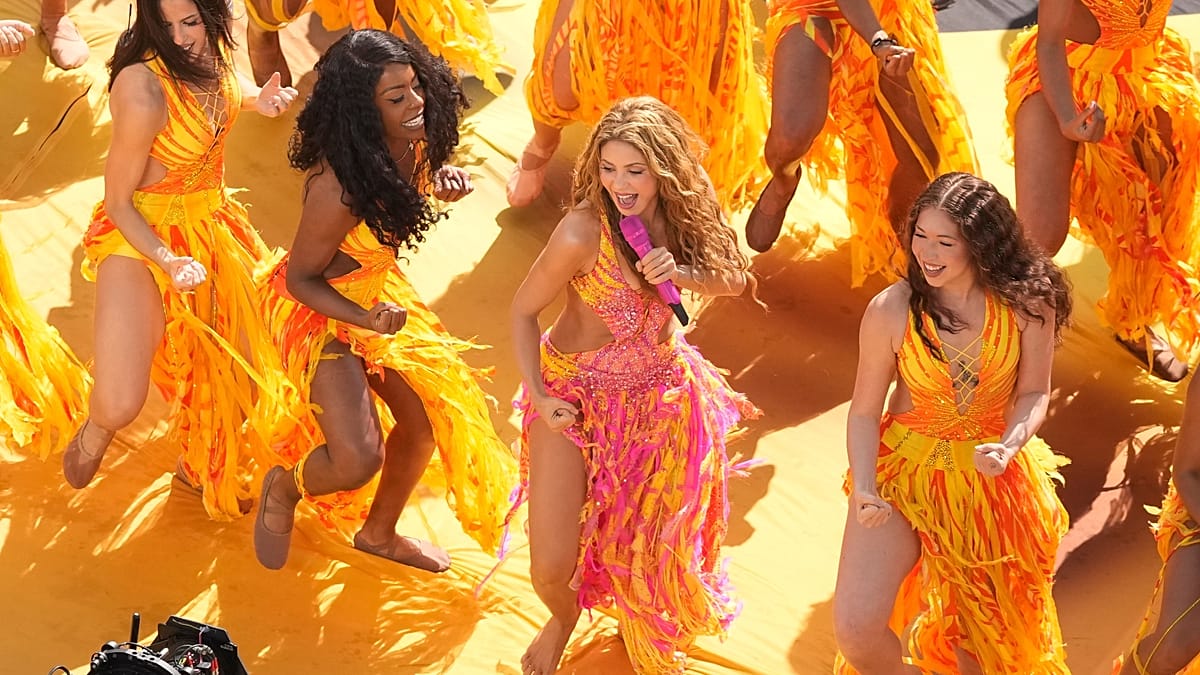
Curated by Coldplay frontman Chris Martin, the show featured Colombian pop star Shakira performing the tournament's official anthem, "Dai Dai." She was joined by Madonna, BTS, and Justin Bieber, who adapted the lyrics of his song "Everything Hallelujah" to include the line: "It's the World Cup, hallelujah." Venezuelan conductor Gustavo Dudamel also appeared, leading the New York Philharmonic and Venezuela's Simón Bolívar Symphony Orchestra—a rare inclusion of classical music in such a high-profile entertainment production.
The production required extensive pitch setup and teardown, which FIFA accommodated by invoking the World Cup's competition regulations that allow for extended breaks. The International Football Association Board (IFAB) typically advises against intervals longer than 15 minutes, but the tournament's rules gave organizers the flexibility to stage the performances.
Global Entertainment Meets Football
FIFA's move to introduce a half-time show mirrors the model used by major US sporting events, particularly the NFL's Super Bowl. The decision reflects a broader trend of football's governing body seeking to turn the World Cup final into a global entertainment event beyond the match itself. The show also served as a platform for FIFA's partnership with Global Citizen, aiming to raise funds for education projects worldwide.
While the spectacle drew attention, it also sparked debate among traditionalists who argue that the focus should remain on the sport. However, for many viewers, the brief interlude offered a moment of shared cultural experience, blending football with music on a global stage.
For European audiences, the show highlighted the continent's deep ties to global pop culture, with artists like Shakira (who has strong European fan bases) and BTS (whose European tours have drawn massive crowds) bridging continents. The inclusion of classical music through Dudamel also underscored the cultural diversity that Europe values, even as the event took place in the United States.
As Europe continues to grapple with its own entertainment and tourism trends—such as Malta leading in water sports and Italy surging in tourism—the World Cup final's half-time show served as a reminder of how football remains a unifying force, even when the spotlight briefly shifts to music.