Across the French countryside, the rising cost of fuel and heating oil is reshaping daily life and commerce. In towns like Saint-Just-en-Chaussée, in the Oise department north of Paris, small business owners are feeling the pinch as energy bills climb faster than they can adapt.
Bakers and food trucks on the front line
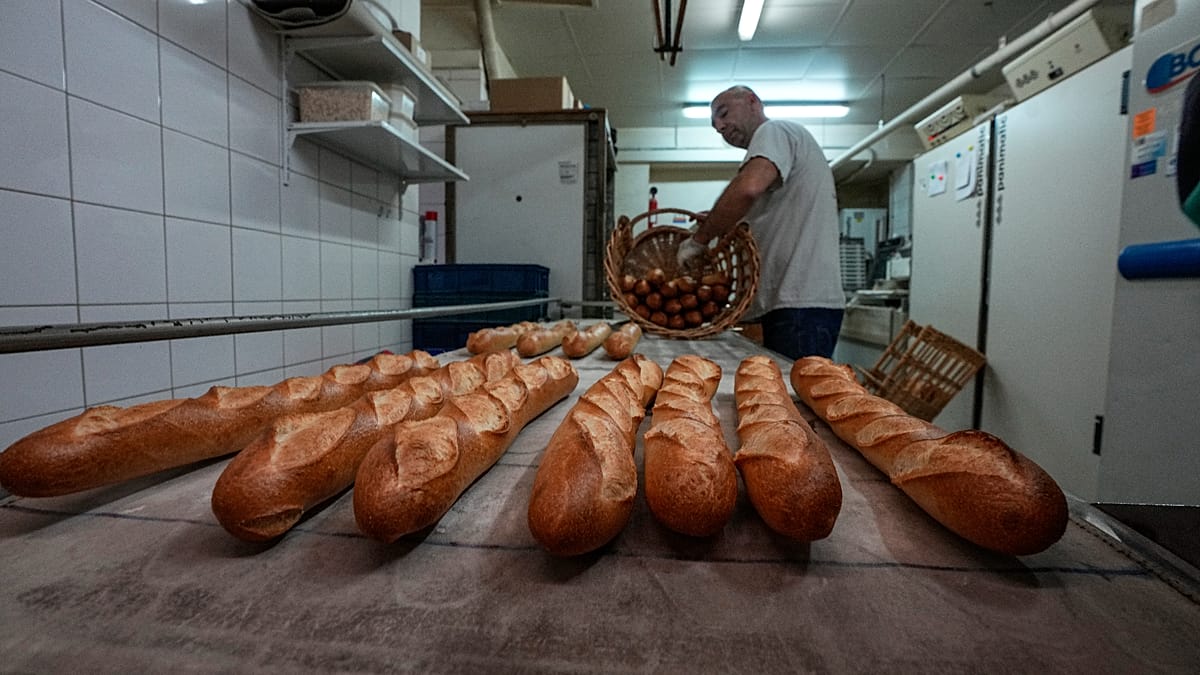
Kevin Luce, a baker in Saint-Just-en-Chaussée, has seen the cost of fuel for his ovens surge in recent months. The increase is eating directly into his earnings, leaving little room for investment in equipment or expansion. “Every baguette we bake carries a little more of the energy price,” he says, describing the pressure on a trade that depends on predictable overheads.
Martial Realland, who runs a food truck in the same region, faces a double squeeze. He can no longer afford heating oil for his home, and he is turning down jobs that require long drives because the fuel costs would wipe out his profit. “I’m having to choose between keeping my family warm and keeping my business alive,” he explains.
Their stories echo a broader trend across rural Europe, where car dependency and oil-based heating are common. Unlike urban areas with public transport and gas networks, many small towns have few alternatives, making them particularly vulnerable to energy price spikes.
A wider European problem
The challenges in rural France are not isolated. Energy experts warn that rising prices will push up food costs across the continent, as producers and distributors pass on higher input costs. A recent analysis highlighted that rising energy prices could ripple through the European food supply chain, affecting everything from farm machinery to supermarket shelves.
In France, the government has faced pressure to cushion the blow for households and small businesses. While some subsidies and tax breaks exist, they often fail to reach the most affected, such as self-employed workers in the service sector. The situation has also fueled debates about energy independence and the pace of the green transition, with some arguing that more support is needed for rural communities to adapt.
Meanwhile, the broader geopolitical context adds uncertainty. France has been involved in international energy security efforts, including sending military assets to protect a Saudi oil hub amid Houthi attacks, a reminder of how global conflicts can affect European fuel prices.
Adapting to a new reality
For now, rural entrepreneurs are adapting as best they can. Some are investing in more efficient equipment, while others are rethinking their delivery routes or raising prices. But there is a limit to how much can be absorbed. “We’re not asking for miracles, just a fair chance to keep working,” says Luce.
The situation has also drawn attention to the need for long-term solutions, such as expanding renewable energy cooperatives in rural areas or improving public transport links. Yet these take time and investment, while the immediate pressure on household budgets is acute.
As winter approaches, the strain is likely to intensify. For many in rural France, the question is not just about the cost of a litre of fuel, but about the viability of their way of life. The coming months will test the resilience of communities that have long been the backbone of the country’s economy.