The 2026 Sony World Photography Awards have concluded, with organisers announcing the winners from a record-breaking pool of more than 430,000 submissions. The prestigious competition, which draws entries from over 200 countries and territories, saw its top honour awarded to Mexican artist Citlali Fabián for her intimate series exploring Indigenous identity.
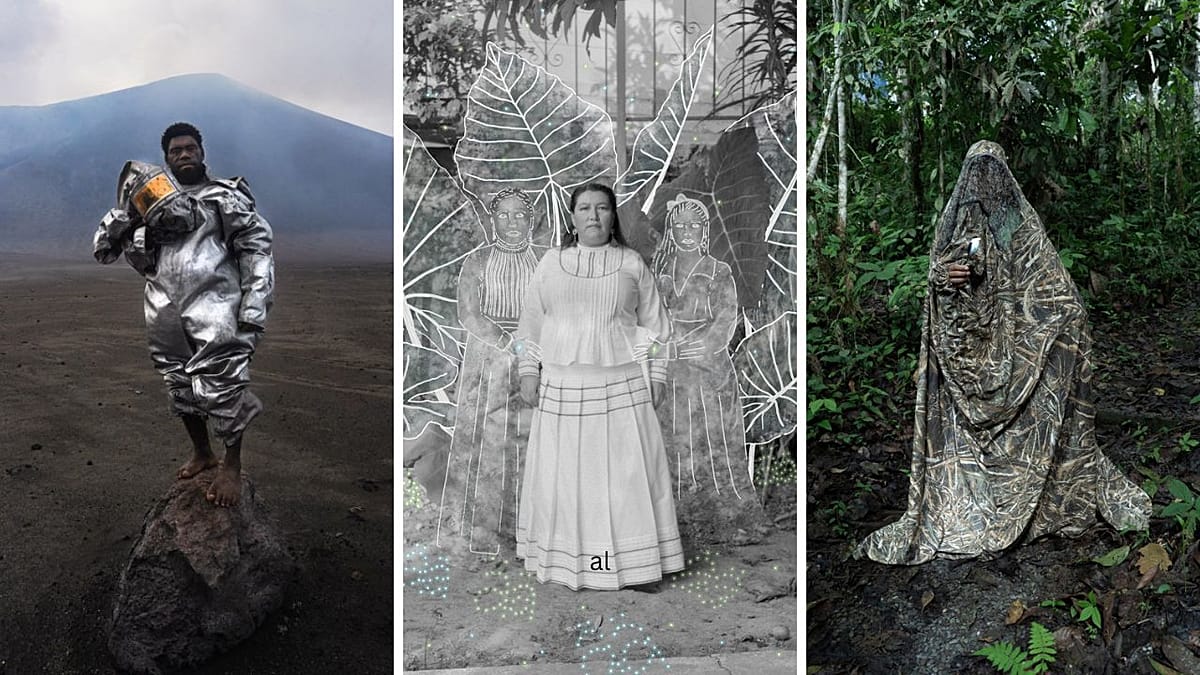
Fabián, a member of the Yalalteca Indigenous community who is now based in London, received the Photographer of the Year title for her project Bilha, Stories of my Sisters. The work uses a combination of portraiture and digital illustration to document the lives and achievements of women from her native Oaxaca region, profiling individuals working in fields from law to ecology. The series aims to provide positive role models for young girls.
"It is a massive honour to receive this award for Bilha, Stories of My Sisters, a series that is deeply connected to my heart and my people," Fabián stated. "I hope this recognition will help to spread the voice not only about my work, but also about the amazing efforts and work of the women in this project. They are truly inspiring and a force of hope for their communities and beyond."
European Exhibition and Category Winners
The winning images, including Fabián's series, are now on public display at Somerset House in London. The exhibition, which runs from 17 April to 4 May, provides a significant cultural event for the UK capital and attracts an international audience. The awards ceremony and subsequent show underscore London's continued role as a major global hub for the visual arts.
Alongside the main prize, winners were crowned across ten competitive categories. Jubair Ahmed Arnob was named Student Photographer of the Year for The Place Where I Used to Play, while Elle Leontiev won the Open category with The Barefoot Volcanologist. The Youth Photographer of the Year award went to Philip Kangas for Saving History from the Flames.
Other notable category winners include Joy Saha for Architecture & Design (Homes of Haor), Santiago Mesa for Documentary Projects (Under the Shadow of Coca), and Isadora Romero, who took the Environment prize for Notes on How to Build a Forest. The awards highlight the power of photography to document critical global issues, from environmental degradation to social narratives, much like the work seen in documentation of enduring humanitarian crises.
A Platform for Global Stories
The diversity of the winning projects reflects the award's global reach and its mission to showcase photographic storytelling from every corner of the world. Seungho Kim won the Perspectives category with Sunny Side Up: A Portrait of the Most Average K-Parenting Today, Todd Antony secured the Sport prize for Buzkashi, and Vilma Taubo won Still Life for Talking Without Speaking. Will Burrard-Lucas rounded out the list as the Wildlife & Nature winner for Crossing Point.
For European audiences, the awards and the London exhibition offer a concentrated view of international perspectives. The event also intersects with broader discussions about cultural funding, artistic freedom, and the role of institutions in an era where geopolitical tensions can influence cultural exchange. The recognition of documentary work focusing on conflict and society resonates with ongoing European foreign policy concerns, such as those surrounding maritime aid corridors and regional stability.
The scale of the competition—processing hundreds of thousands of images—also speaks to the technological and logistical prowess required to manage such a global event. While based on Japanese imaging technology, the awards' operational heart in Europe demonstrates the continent's infrastructure for hosting major international cultural competitions.
Ultimately, the 2026 Sony World Photography Awards celebrate more than technical skill. They validate photography as a vital tool for cultural preservation, social commentary, and connecting disparate communities. As Fabián's winning series demonstrates, the medium can amplify voices that are often marginalised, bringing local stories of resilience and identity to a worldwide stage. This function of art to bridge divides remains as crucial in Europe as elsewhere, particularly in a time of fragmented narratives and contested histories.