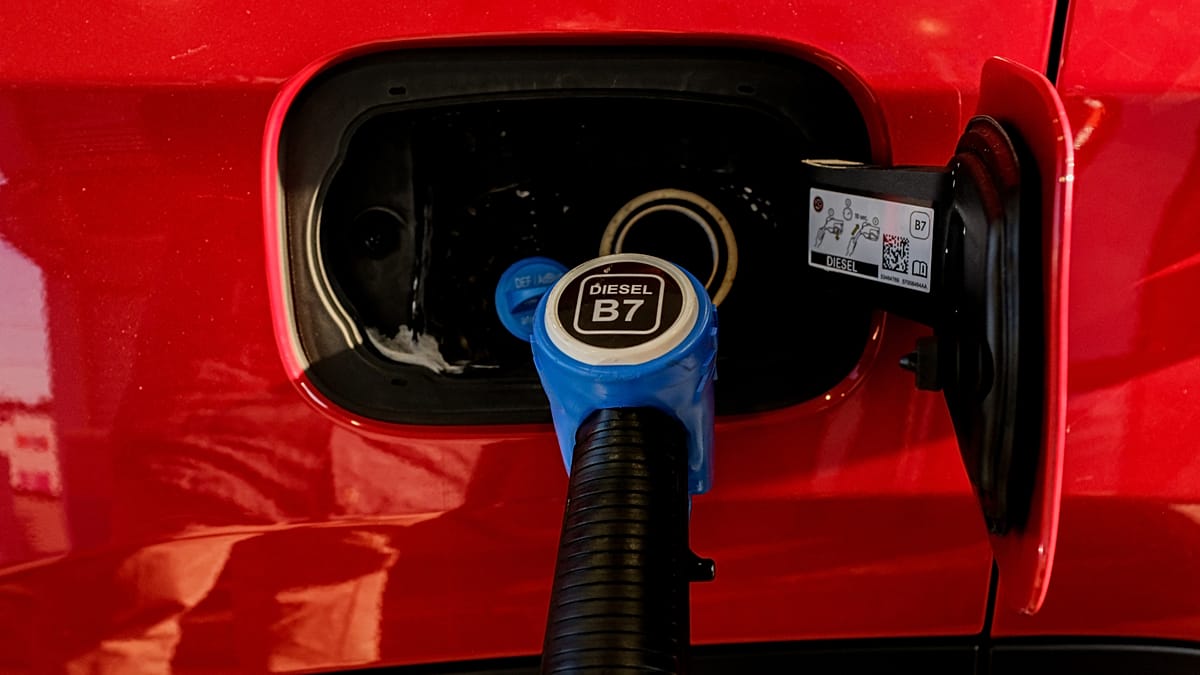
The European Commission has given Spain the green light to temporarily cut excise duties on petrol and diesel below the EU's standard minimum levels, a move designed to ease the burden of high fuel prices on households and businesses. The decision, outlined in an official document dated 25 August, comes as the conflict in the Middle East continues to disrupt energy markets and keep prices elevated.
Under EU rules, member states are normally required to apply minimum excise rates on motor fuels. However, the bloc's Energy Taxation Directive allows for derogations in exceptional circumstances. Spain formally requested such flexibility in a letter sent to Brussels on 28 June, citing the extraordinary oil-price shock triggered by the war between the US and Iran and the subsequent closure of the Strait of Hormuz.
The Commission's approval is limited to a three-month window—July, August and September—and is accompanied by conditions. The tax reduction is set at approximately 15 euro cents per litre for July, dropping to 10 cents in August and 5 cents in September. The Spanish government may increase the cut if fuel prices rise more than 15% above pre-crisis levels.
While the measure will lower the tax component of fuel prices, the actual pump price will also depend on crude oil costs, refining margins, distribution expenses and VAT. In August 2025, drivers in Spain were paying an average of €1.72 per litre for petrol and €1.86 for diesel, up from €1.48 and €1.41 respectively in the same month of the previous year.
Why Brussels agreed
The Commission justified the derogation by pointing to Spain's heavy reliance on road transport for both passenger and freight movement. In its assessment, the authority found that the measure is unlikely to distort the internal market and that it is proportionate given the short duration and the exceptional geopolitical context.
“The Commission examined the requested authorisation and found it unlikely to hinder the proper functioning of the internal market,” reads the document. “The Commission considers the requested derogation to be adequate and proportionate, given its short duration, the exceptional circumstances linked to the geopolitical situation, coupled with an exceptionally high market price of oil.”
European Commission President Ursula von der Leyen had previously urged member states to adopt “targeted and temporary” measures to address rising fuel costs. Brussels has also relaxed state aid rules to allow governments to support affected sectors.
Spain is not alone in cutting fuel taxes. Italy, Portugal, Slovenia, Hungary and Ireland have also reduced excise duties on petroleum products since the onset of the energy crisis. However, Spain is the only country that has been explicitly authorised to set its effective rates below the EU floor, a flexibility that others have not received.
Critics point out that cheaper fuel could encourage greater fossil fuel consumption and reduce government revenues. The Commission has therefore stressed that the measure must remain temporary and that its impact on consumption and public finances should be closely monitored.
The broader context remains uncertain. The Hormuz crisis has added €41bn to EU fuel import bills, according to a recent report, and the threat to free navigation in the strait continues to keep markets on edge. For Spain, the tax relief offers some respite, but the underlying volatility in global energy prices shows no sign of abating.