In the rolling dehesa pastures of Gerena, in Spain's Seville province, a unique agricultural tradition is fueling a global gourmet expansion. Here, 100% Iberian pigs roam freely, covering up to 14 kilometres daily as they forage for acorns and grass. This specific breed and its lifestyle are the non-negotiable foundations of Jamón Ibérico de Bellota, the acorn-fed ham known globally by its colloquial name, Pata Negra.
"The Iberian breed is everything. It is a unique product in the world," explains breeder Jesús García Sánchez, who raises the animals for the exclusive producer Cinco Jotas. The company, founded over 150 years ago, is one of the standard-bearers for this symbol of Spanish and European culinary excellence. The pigs live outdoors for approximately two years, their diet and constant movement directly influencing the fat quality and complex flavour of the final product.
The Alchemy of Time and Terroir
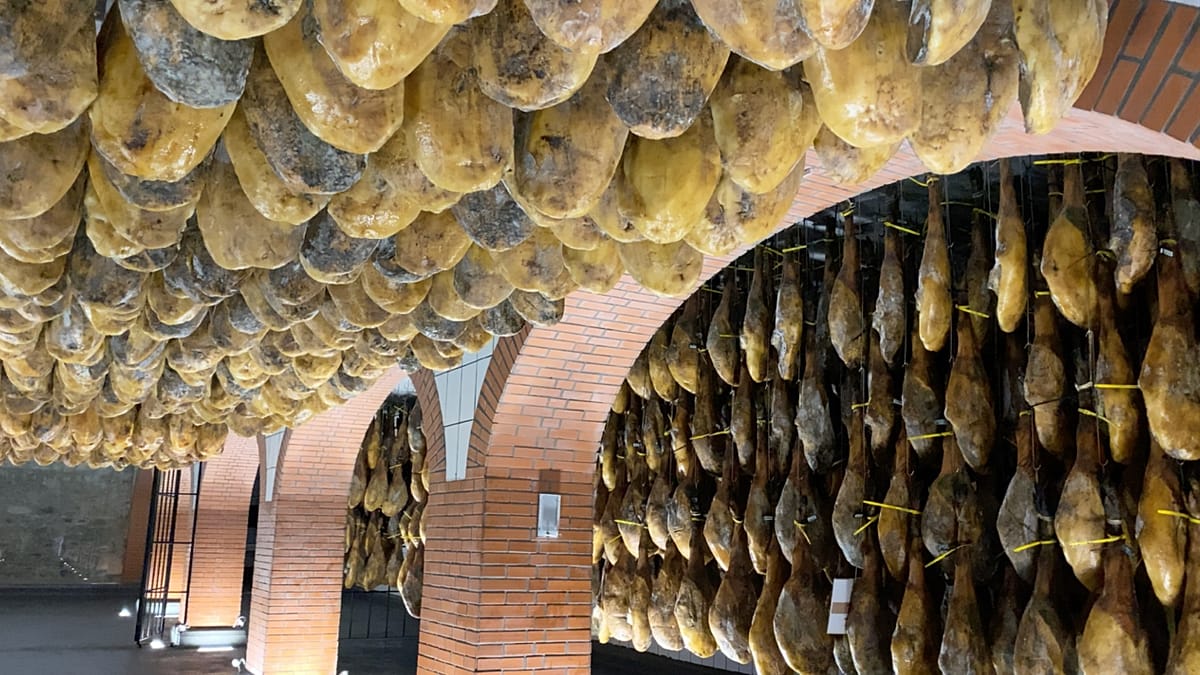
After slaughter, the hams enter a meticulous curing process that lasts a minimum of three years. In natural cellars nestled into mountainsides in Spain's south-west, temperature and humidity are carefully controlled. "We have a staff of between 55 and 60 people working in shifts throughout the year, and what we do is move all the hams every three months," explains Valeriano Ramos, a Ham Master Cellar at Cinco Jotas. This manual rotation ensures even curing.
The final assessment relies on centuries-old sensory expertise. Masters like Manuel Vega judge quality by sight, touch, and smell. "Whether the ham will be good is also determined by the fat. The fat must be runny. Then we judge it by the aroma," Vega states. This rigorous process results in a product that retails for around €100 per kilogram, placing it firmly in the luxury food category.
A Niche Product with Global Ambition
Despite its premium price and lengthy production, demand is growing. Luis González, General Director of Cinco Jotas, notes that acorn-fed 100% Iberian ham constitutes "well under 10% of all Iberian ham produced in Spain." Within that elite niche, his company holds roughly a 35% market share. The business provides around 700 direct jobs during the winter peak and 250 year-round.
The export strategy is aggressive. Approximately 35% of Cinco Jotas's total production is shipped to 55 countries, including the United States, China, and Japan. Last year, the company's sales of 100% Iberian products reached €130 million. This international push mirrors a broader trend of European high-end food producers seeking growth in global markets, similar to the trajectory of other Spanish success stories like global water technology firms.
The final, crucial step from cellar to plate is the cut. Master carver Severiano Sánchez, with 34 years of experience in 40 countries, emphasises that skill here is paramount. "A good carver can turn a mediocre ham into a great one, whilst a poor carver can turn an extraordinary acorn-fed 100% Iberian ham into a poor one," he asserts. The profession underscores the deep artisanal knowledge embedded in the product's value chain.
From Spanish Tradition to European Haute Cuisine
While deeply rooted in Spanish culture, Pata Negra has secured a prominent place in wider European fine dining. At the Abades Triana restaurant in Seville, which serves about 90,000 diners annually, executive chef Elías del Toro features it prominently. He pairs the ham with seasonal vegetables and even fish, leveraging its unique flavour profile.
"It's a truly wonderful product. Firstly, because it's a superb product. Secondly, because of its unique character – those subtle nuances, that umami flavour – it's simply indescribable when it comes to creating a recipe," del Toro concludes. This culinary innovation demonstrates how traditional European products are being reinterpreted in contemporary gastronomy.
The story of Pata Negra is one of terroir, patience, and artisanal rigor meeting modern global commerce. It highlights how Europe's diverse culinary heritage, when protected by strict designations of origin and production standards, can create exceptional economic and cultural value. As with other sectors, maintaining this edge requires continuous investment in quality and tradition, a challenge not unlike that faced in strategic European industries where technological pace is critical. The ham's journey from the dehesa to international markets is a testament to the enduring appeal of authentic, meticulously crafted European products.