Spanish intelligence and police services had warned of the mass sea crossing into Ceuta a full day before it occurred, according to sources familiar with the operation. The revelation contradicts Prime Minister Pedro Sánchez's public criticism of the National Intelligence Centre (CNI) for failing to anticipate the event.
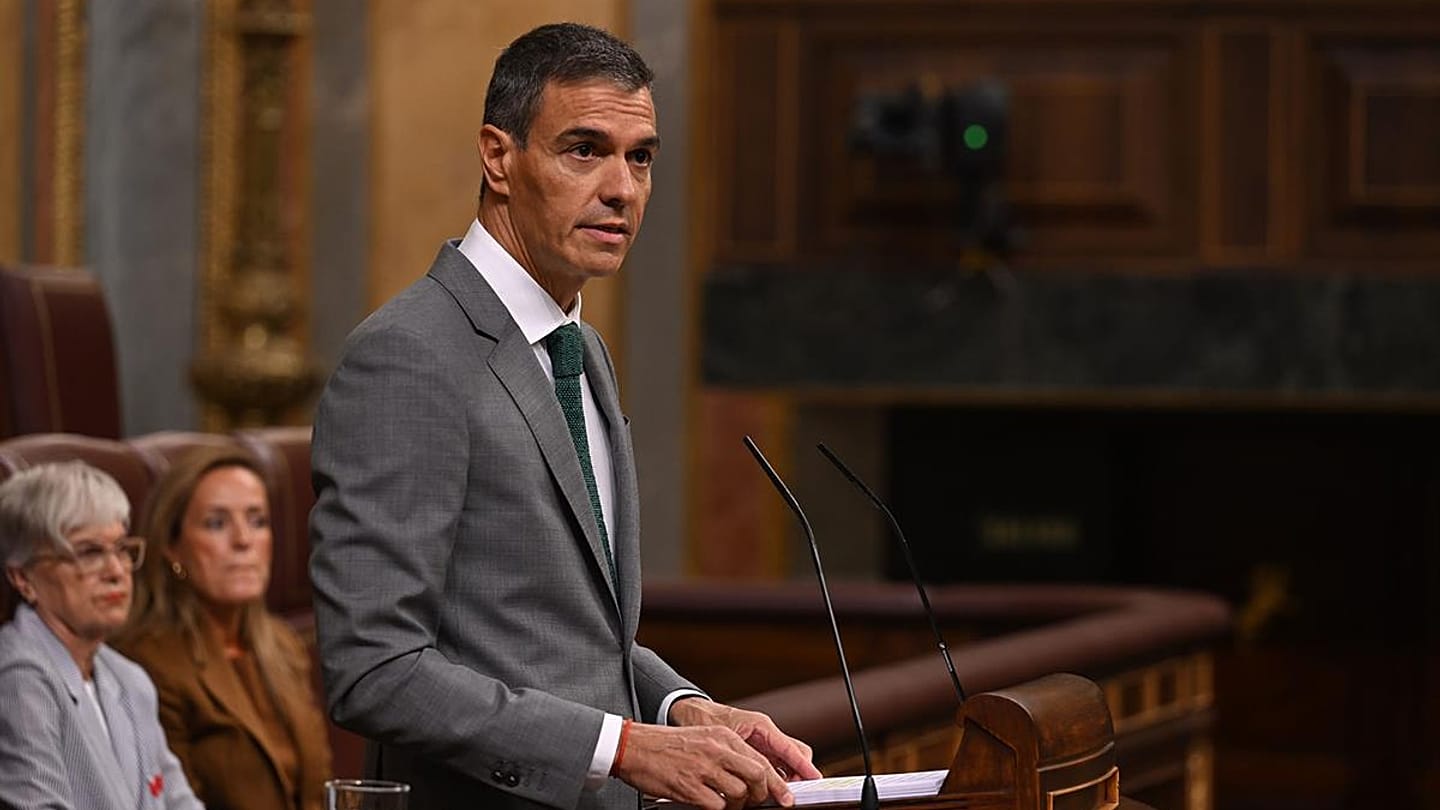
Speaking on Spanish public television on Wednesday, Sánchez blamed the CNI for the lack of foresight. However, internal reports indicate that the agency had communicated its concerns to Moroccan counterparts and to police chiefs in both Ceuta and Melilla, the two Spanish enclaves on the North African coast.
Warnings were issued, but action fell short
The warnings, which were shared through established bilateral channels, highlighted the likelihood of a coordinated surge of migrants attempting to reach Spanish territory. Despite these alerts, the scale of the crossing—thousands of people, many swimming or using makeshift rafts—overwhelmed local resources and exposed gaps in coordination between Madrid, the enclaves, and Rabat.
Local officials in Ceuta have long complained that the central government underestimates the pressure on the enclave's borders. The city's mayor, Juan Jesús Vivas, has repeatedly called for more support from the European Union, arguing that Ceuta serves as the bloc's external frontier. His appeals have gained renewed urgency as the crisis has reignited debates about migration policy across the EU.
The episode has also strained relations between Spain and Morocco, with some Spanish politicians accusing Rabat of using migration as a political lever. A former Spanish minister went as far as to describe the surge as a hybrid attack aimed at destabilising the EU. While such claims remain contested, they reflect the heightened tension surrounding the enclaves.
In Brussels, the European Parliament is set to debate the situation, with MEPs clashing over how to respond. Some member states have called for greater solidarity with Spain, while others have used the crisis to push for stricter border controls. The upcoming debate is expected to expose deep divisions among the twenty-seven member states.
The European Commission has already approved €114.7 million in emergency funding to help manage the immediate aftermath, but longer-term solutions remain elusive. The funds are intended to support border management, reception facilities, and returns, yet critics argue that they do little to address the root causes of migration from North Africa.
For Sánchez, the political fallout is significant. His government has faced accusations of mishandling the crisis, and the contradiction between his public statements and the intelligence reports could further undermine trust in his administration. The CNI, for its part, has declined to comment publicly, citing operational secrecy.
The incident has also drawn attention to the broader challenges facing Europe's southern borders. As migration returns to the top of the EU agenda, the Ceuta crisis serves as a stark reminder of the pressures on frontline states and the difficulty of balancing security with humanitarian obligations. The coming weeks will test whether the EU can forge a common response or whether the divisions exposed by the crisis will deepen.