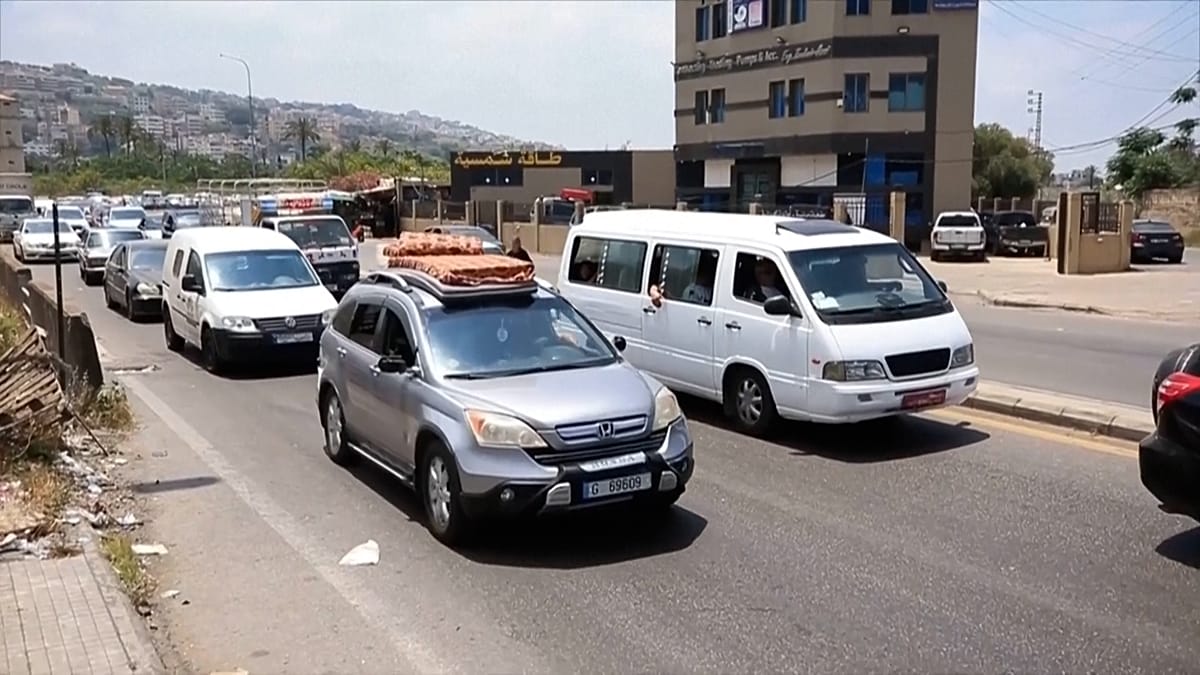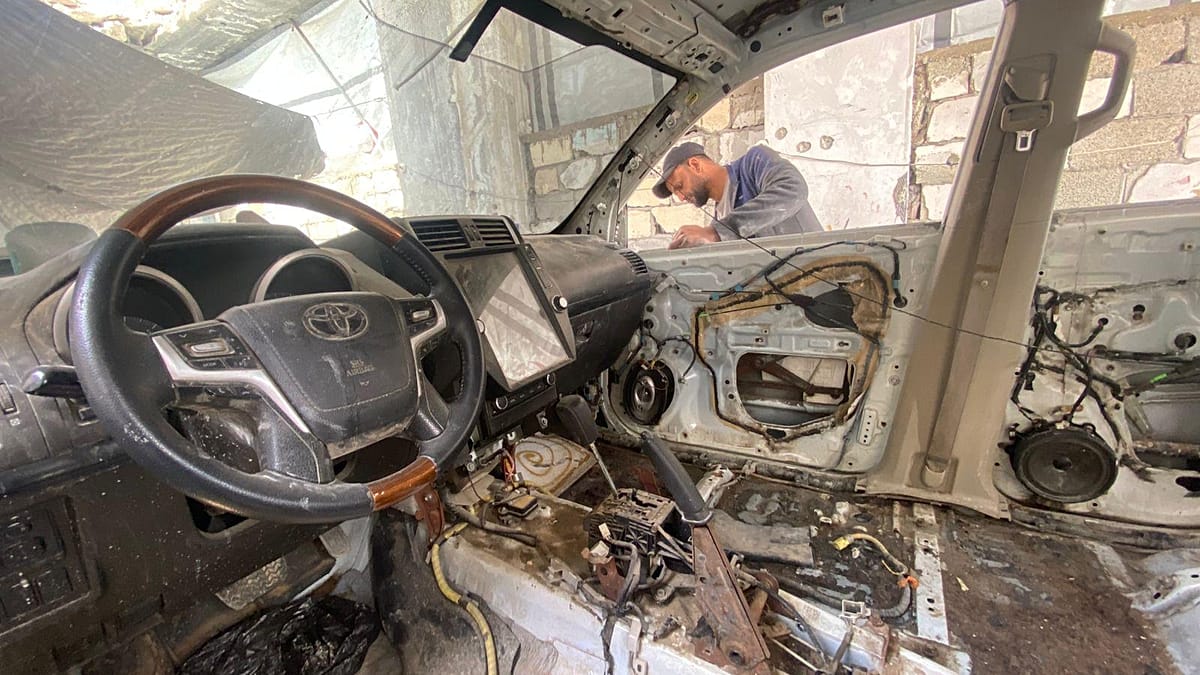
Gaza's transport system is grinding to a halt as a near-total ban on spare parts imports cripples vehicles across the Strip. Despite a ceasefire agreement that permits at least 600 lorries daily, data from the Government Information Office in Gaza shows fewer than half that number actually enter. Of the more than 3,000 commercial and humanitarian lorries that have arrived since the truce began, only one carried spare parts.
Local business owners describe a market in collapse. Mahmoud Sami, who runs a bus company in the Maghazi area of central Gaza, told Euronews: "The buses are parked and the cars are parked, we have no tyres, no batteries and no oil." His fleet once operated daily routes; now most vehicles sit idle as costs spiral. A single bus tyre can reach 20,000 shekels (€5,725), and a battery up to 15,000 shekels (€4,295). Some drivers resort to swapping tyres between vehicles just to keep a few running.
The crisis extends beyond buses. Mohammed Emad, a mechanic from the Nuseirat camp, says car repairs that once cost between 2,000 and 2,500 shekels (€575–€715) now exceed 17,000 shekels (€4,865). Engine oil has jumped from about 300 shekels per litre (€85) to over 1,000 shekels (€285), with prices fluctuating sharply due to the ongoing conflict.
Black Market and Desperation
Economist Ahmed Abu Qamar argues that the shortage—and the lack of regulation when parts are allowed in—has empowered a black market. "These imbalances reflect directly on the citizens," he warns. Fares for travel between camps in central Gaza have risen from one shekel to five. Rushdi al-Khor, chairman of the Automotive Spare Parts Association, says the parts that do enter meet less than 5% of demand and often fail industry standards.
This reality has pushed many toward makeshift solutions: improvised components, second-hand parts, and even used motor oil. Specialists caution that old braking systems and tyres significantly increase accident risks. The shortage also cripples emergency services. Major Mahmoud Basal, spokesperson for the Civil Defence Authority in Gaza, says the agency's operational capacity has fallen to just 10%. Gaza City now has only three operational vehicles. In August 2025, the Civil Defence reported that 60% of its vehicles across the Strip were out of service due to shortages of fuel and spare parts. Teams have resorted to using used motor oil, despite knowing it damages engines and shortens vehicle lifespans. The agency warns that if conditions worsen, responders may have to reach incidents on foot or rely on civilian vehicles.
The broader context of the crisis echoes challenges faced across the region. As European leaders gather in Cyprus for crisis talks on energy, defence, and the Middle East, the situation in Gaza underscores the fragility of infrastructure in conflict zones. The EU's discussions in Cyprus may need to address not only geopolitical tensions but also the humanitarian logistics that sustain civilian life.
With restrictions on goods and aid continuing, the spare parts shortage is expected to worsen, leaving Gaza's residents dependent on increasingly limited transport options for daily survival.