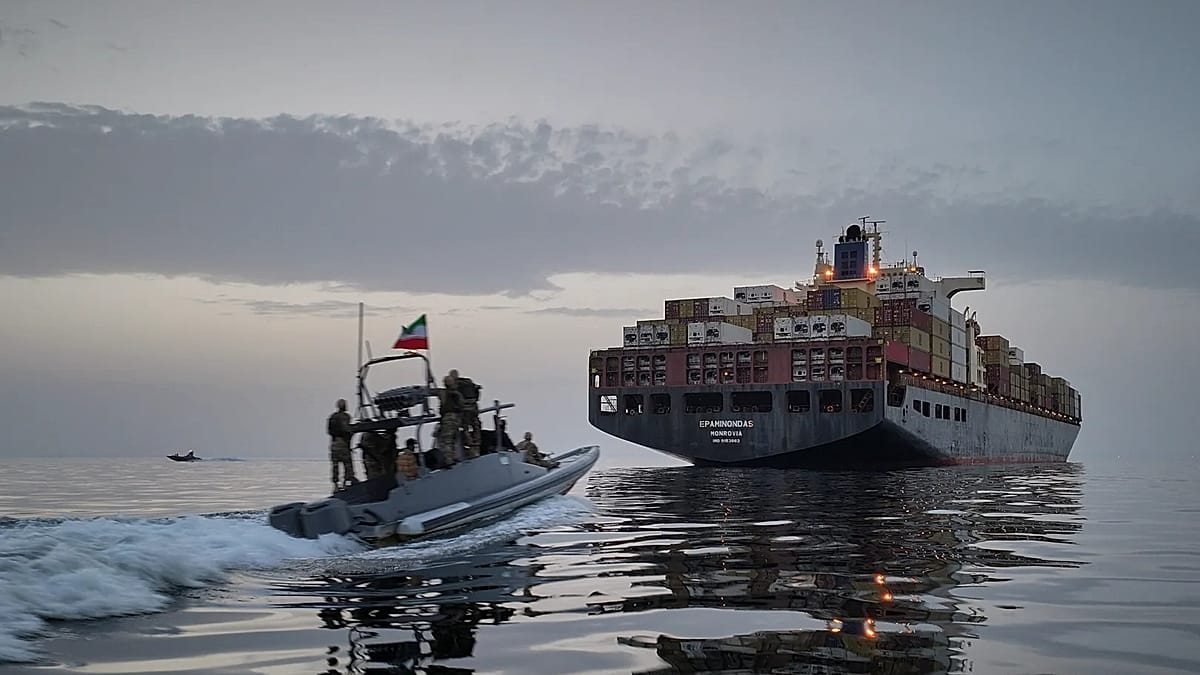
Nearly 20,000 seafarers remain trapped aboard hundreds of vessels in the Gulf, unable to cross the Strait of Hormuz as a standoff between the United States and Iran continues to paralyse one of the world’s most vital maritime chokepoints. The crisis, which has already disrupted global oil and liquefied natural gas trade, shows no sign of abating despite a fragile ceasefire extension announced by US President Donald Trump last week.
According to data from Lloyd’s List Intelligence, only about 80 vessels passed through the strait during the week of 13–19 April, a dramatic collapse from the normal daily average of 130 or more transits. Roughly one-fifth of the world’s oil and LNG supply typically moves through this narrow waterway, making the standoff a direct threat to energy markets and supply chains worldwide.
Seafarers Caught in Geopolitical Crossfire
“Seafarers are the backbone of global trade, yet we are often the most affected by regional geopolitical conflicts,” said Captain Arunkumar Rajendran, who has been stranded with his tanker crew for approximately eight weeks. His sentiment echoes the plight of thousands of mariners who have been left in limbo, unable to return home or proceed to their destinations.
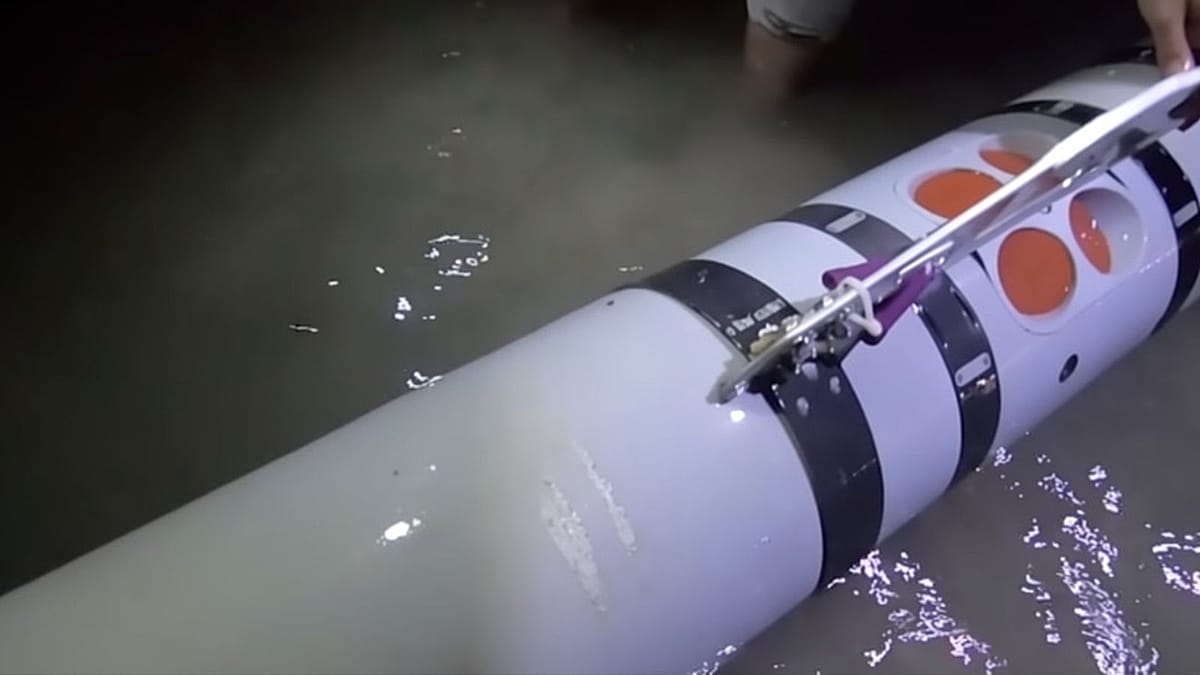
The United Nations has confirmed at least 10 seafarers have been killed since hostilities escalated. Dozens of ships have come under attack, and Iran has seized two vessels in the strait. The US, despite extending the ceasefire indefinitely, has maintained a blockade of Iranian ports, prompting Tehran to fire on ships and deploy sea mines in the waterway. Trump stated last week that US forces were clearing mines and would “shoot and kill” any boats laying ordnance in the area.
“There is no safe transit anywhere in the Strait of Hormuz,” warned Arsenio Dominguez, Secretary General of the International Maritime Organization (IMO), the UN’s shipping agency. The IMO, along with other international bodies, has called for the establishment of a safe corridor for commercial vessels, but most ships remain unable to pass, even though Iran has declared the strait open to vessels it deems non-hostile.
The standoff has immediate consequences for European consumers. EU fuel prices have surged over 20% in Latvia and Sweden as the blockade tightens supply. European leaders, meeting recently in Cyprus, have grappled with the crisis alongside other pressing issues such as Ukraine and mutual defence commitments. The situation also complicates diplomatic efforts: Iran’s nuclear talks remain stalled, with internal slogans and the naval standoff blocking progress, according to a former diplomat.
This is not the first time seafarers have been stranded by geopolitical turmoil. The COVID-19 pandemic, Russia’s full-scale invasion of Ukraine, and attacks by Yemeni Houthi rebels on Red Sea shipping have all left crews trapped at sea for extended periods. The current crisis, however, is uniquely dangerous due to the combination of mines, direct attacks, and the strategic importance of the waterway.
As the standoff drags on, the human and economic toll continues to mount. For the 20,000 seafarers stuck in the Gulf, each day brings uncertainty and risk. The international community’s calls for a safe corridor have yet to yield results, leaving the fate of global trade—and the lives of those who sustain it—hanging in the balance.