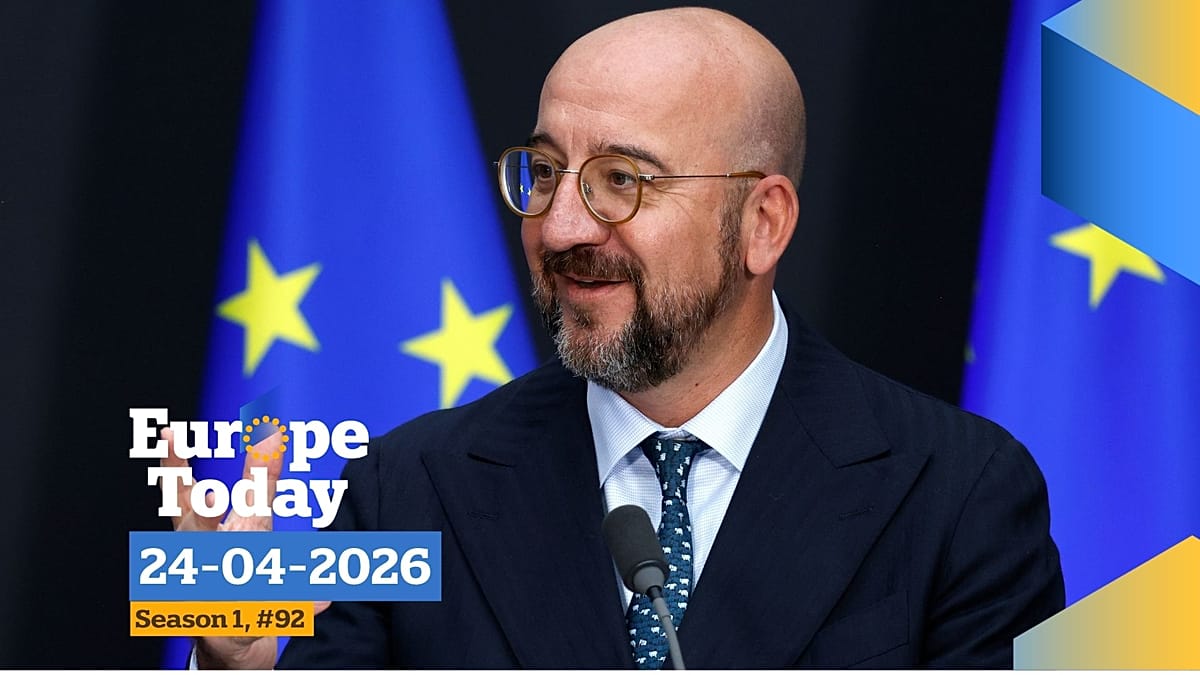
European Union leaders convened in Cyprus on Tuesday for a summit addressing three pressing issues: energy security, defence integration, and the escalating crisis in the Middle East. The meeting, held in the coastal city of Larnaca, comes as the bloc grapples with the fallout from the Strait of Hormuz disruptions and the ongoing war in Ukraine.
Euronews correspondent Jorge Liboreiro reported live from the summit, where discussions are expected to dominate the agenda. The gathering is part of a broader effort by EU institutions to coordinate responses to overlapping crises that threaten the continent's stability.
Energy Security and the Strait of Hormuz
One of the central topics is the deepening crisis in the Strait of Hormuz, where Iran has seized several commercial vessels in recent weeks, disrupting global oil shipments. The EU, heavily reliant on energy imports, is exploring alternative supply routes and emergency measures. The TRIPP Corridor talks, launched by the US and Azerbaijan, are seen as a potential avenue for diversifying Europe's energy sources, reducing dependence on Middle Eastern oil.
Leaders are also weighing the activation of the EU's mutual defence clause, a mechanism that could pool military resources to protect critical maritime infrastructure. This option has gained traction as the EU considers alternatives to NATO for collective security in the region.
Defence and Ukraine
The summit also addresses the war in Ukraine, with the EU recently unblocking a €90 billion loan to support Kyiv's economy and military efforts. The loan, part of a broader package, is intended to help Ukraine withstand Russian aggression and maintain essential services. Leaders are expected to discuss further sanctions against Moscow and the possibility of using frozen Russian assets to finance reconstruction.
Former European Council President Charles Michel, in an interview with Euronews, stressed the need for a unified European response. "The EU must show resolve and solidarity," Michel said. "We cannot afford to be divided when our security and values are at stake."
Middle East and Regional Stability
The Middle East crisis, particularly the conflict between Israel and Hamas, is another key item on the agenda. EU leaders are seeking a coordinated diplomatic approach to de-escalate tensions and prevent a wider regional war. The bloc has called for a ceasefire and the protection of civilians, while also addressing the humanitarian situation in Gaza.
Estonia's Prime Minister Kristen Michal, also interviewed by Euronews, highlighted the interconnected nature of these challenges. "What happens in the Middle East affects our energy prices, our security, and our values," Michal said. "Europe must act as a cohesive force for stability."
Domestic Pressures and the Housing Crisis
While the summit focuses on external threats, domestic issues are also simmering. The housing crisis continues to test social stability across the EU, with MEPs debating solutions to rising rents and homelessness. The crisis, exacerbated by inflation and energy costs, is straining public finances and fuelling political discontent in several member states.
As the summit progresses, observers are watching for concrete outcomes. The EU's ability to translate rhetoric into action will be critical, especially as the bloc faces a winter of potential energy shortages and geopolitical uncertainty. The discussions in Cyprus are a test of whether the Union can move beyond crisis management to structural reform, as advocated by experts in the AccelerateEU plan.
Euronews' Europe Today programme, hosted by Mared Gwyn, will continue to provide live coverage from the summit, with further interviews and analysis throughout the day.



