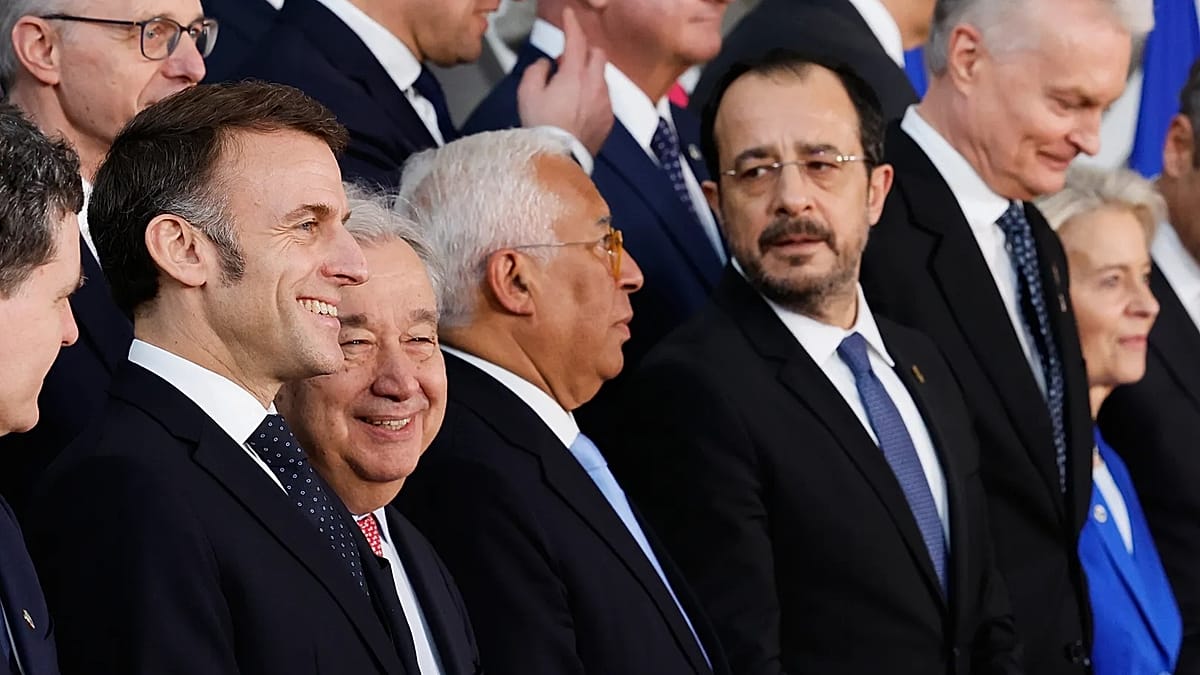
European Union leaders gathered in Cyprus on Thursday for an informal summit that puts defence cooperation at the top of the agenda. Hosted by Cypriot President Nikos Christodoulides in a resort outside Nicosia, the two-day meeting will examine Article 42.7 of the EU treaties — a mutual assistance clause that could, in theory, function as a European equivalent to NATO's Article 5.
The clause stipulates that if one member state is the victim of armed aggression on its territory, the others must provide aid and assistance by all means in their power. It has been invoked only once, by France after the November 2015 Paris terrorist attacks. Using it against a conventional military threat, however, would be unprecedented and legally untested.
“We have Article 42.7, and we don't know what is going to happen if a member state triggers this article,” Christodoulides told the Associated Press ahead of the summit. The clause is particularly relevant for Cyprus, which is not a NATO member and recently faced a drone attack from Iran.
Why the urgency now
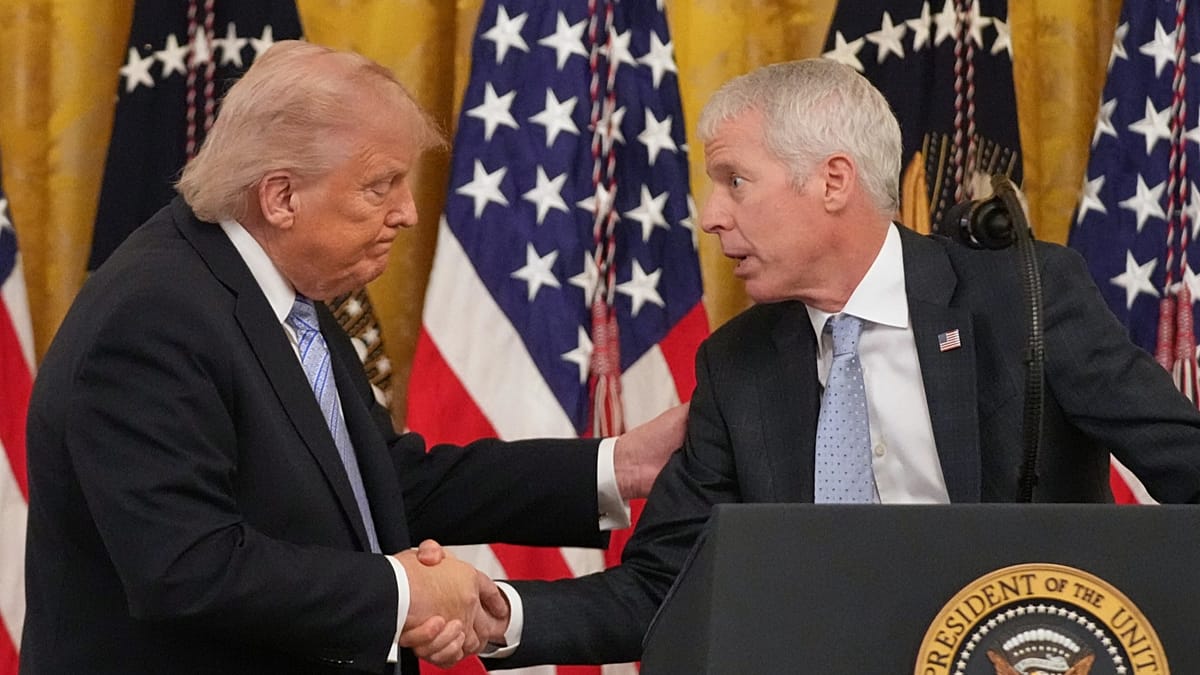
The debate over European strategic autonomy has gained momentum as US President Donald Trump repeatedly threatens to withdraw from NATO, calling the alliance a “paper tiger.” His erratic foreign policy, including past threats to annex Greenland and persistent criticism of European allies, has pushed EU capitals to consider alternatives to the American security umbrella.
Former NATO Secretary General Anders Fogh Rasmussen told Europe Today: “I think we in Europe have to be able to stand on our own feet.” His remarks underscore a growing sentiment that the continent can no longer rely unconditionally on Washington.
The EU treaties leave room for different types of assistance under Article 42.7 — from economic and diplomatic support to full military intervention. But triggering it against an external aggressor would be a major step, and leaders are cautious about setting a precedent.
Rearming Europe through SAFE loans
In parallel, EU countries are accelerating defence spending through a low-interest loan scheme called SAFE, launched last year by the European Commission. Nineteen member states have submitted national defence plans to access EU financing. However, Hungary's plan is under review by the incoming government of Prime Minister Péter Magyar's Tisza party, which has signalled a critical reassessment.
“We will critically review the list submitted by the outgoing government and make decisions based on real needs and an assessment of corruption risks,” a Tisza source told Euronews, speaking on condition of anonymity. The reference to corruption risks is understood to involve industrial interests tied to Viktor Orbán's outgoing administration. For more details, see our exclusive report.
Ukraine loan and Russia sanctions unblocked
The summit also marks a breakthrough on Ukraine. The EU has launched a written procedure to unblock a €90 billion loan for Kyiv and adopt the 20th package of sanctions against Russia, after months of delay caused by Hungarian and Slovak opposition. The procedure began Wednesday afternoon during a meeting of ambassadors in Brussels and is expected to conclude Thursday.
Member states have 24 hours to object, but diplomats believe a deal is almost certain following the restoration of the Druzhba oil pipeline. The Soviet-era infrastructure, damaged by Russian drones in late January, has been repaired and can resume operations — removing a key obstacle to Hungarian and Slovak approval.
The new sanctions include a full ban on maritime services for Russian oil tankers, but after Malta and Greece voiced serious concerns, the measure has been made conditional on a G7-level agreement, which remains uncertain. For more on the pipeline's role, see our analysis.
Energy crisis and single market reform
Beyond defence and Ukraine, leaders will discuss the energy crisis triggered by the war in the Middle East. The European Commission has proposed a package called AccelerateEU, urging governments to provide energy vouchers, income support, and social tariffs for vulnerable groups. It also recommends tax reductions on electricity and clean technologies, alongside subsidies for heat pumps, solar panels, and home insulation.
Energy Commissioner Dan Jørgensen warned: “Even in a best-case scenario, we are looking into some very difficult months and even years, because even if there's a peace tomorrow, to rebuild the gas infrastructure, for instance, in Qatar will take maybe years. So prices will not stabilise at the level they were before this crisis.”
The summit will also endorse a two-year reform plan called “One Europe, One Market,” aimed at completing the EU single market by 2028. The document, a roadmap with target dates for political agreements, sparked an interinstitutional spat on Wednesday. European Parliament group leaders pushed for an alternative version and threatened to block President Roberta Metsola from signing it in Cyprus. After a longer-than-usual meeting in Brussels, a compromise was reached with minor changes and a single addition recalling the need to “encompass the social dimension of the single market.”
“Sometimes words are very, very important,” a person in the room told Europe Today.
For broader context on the summit's agenda, including discussions on Ukraine and the Hormuz crisis, read our full preview.