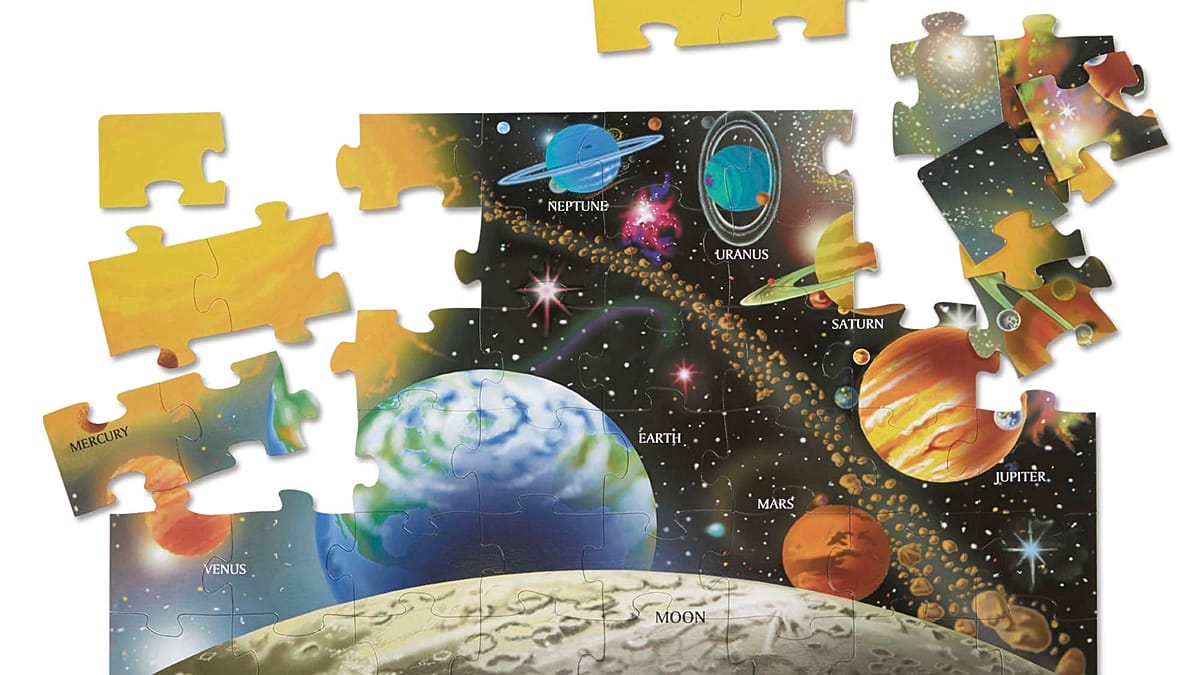
Valladolid, a city better known for its Castilian architecture and its annual film festival, briefly became the global capital of patience and pattern recognition this week. The World Jigsaw Puzzle Championship drew competitors from 70 countries, all racing to assemble an image they had never seen before. The event, held in the heart of Spain, underscored how a seemingly quiet pastime has grown into a fiercely competitive international sport.
A test of speed and strategy
The format is deceptively simple: every contestant receives the same jigsaw puzzle, with the same number of pieces, and the clock starts. But the challenge lies in the unknown. Unlike most puzzles, which puzzlers might have practiced at home, the championship image is revealed only at the start. This forces competitors to rely on pure technique—sorting by colour, shape, and edge pieces—rather than memory.
This year's final was won by a Dutch biology student, whose name has not been released by the organisers. The victory was particularly notable given the field: seasoned veterans from Japan, Germany, and the United States, all of whom have made puzzle-solving a near-professional pursuit. The Dutch winner reportedly finished with a time that left the audience in awe, though exact figures were not immediately available.
The championship is not just about individual glory. Team events, where groups of four collaborate on a single puzzle, add a layer of communication and coordination. Many participants described the team rounds as the most intense, as a single misplaced piece can derail an entire strategy.
From hobby to high-stakes competition
The rise of competitive puzzling mirrors a broader trend in Europe, where traditional pastimes are being reimagined as spectator sports. In Ireland, for example, the Ploughing Championships have evolved from a farming fair into a massive agritech showcase, drawing hundreds of thousands of visitors. Similarly, jigsaw competitions are attracting sponsors, live streams, and even prize money, though the amounts remain modest compared to esports.
For many participants, the appeal is not the money but the mental challenge. “It’s like a chess match against yourself,” said one competitor from Poland. “You have to stay calm, but also make split-second decisions about which piece to try next.” The psychological pressure is intense, and several veterans noted that the world championship is as much a test of endurance as of skill.
The event also highlights the social side of puzzling. In an era of digital distractions, the tactile act of fitting pieces together has a meditative quality. Organisers reported a surge in interest from younger audiences, many of whom discovered puzzling during the pandemic and have since turned it into a competitive outlet.
Valladolid, a city of about 300,000, proved a fitting host. Its narrow streets and plazas offered a relaxed backdrop for the intense indoor battles. Local businesses reported a boost from the influx of international visitors, a reminder of how niche events can have a tangible economic impact. This is part of a broader pattern across Europe, where cities are leveraging unique festivals to attract tourists. The 2026 global city rankings show that European destinations continue to hold their own against US rivals, thanks in part to such cultural offerings.
As the championship concluded, the mood was one of camaraderie rather than rivalry. Competitors exchanged tips, traded puzzles, and posed for photos with their finished works. The Dutch winner, still catching their breath, was already looking ahead to next year’s event. “I’ll train differently,” they said. “But the best part is the community. We’re all a little obsessed, and that’s okay.”
For those who missed the live action, the organisers plan to release a documentary of the event, hoping to capture the tension and joy of a sport that is equal parts art and science. In the meantime, the puzzle world has a new champion—and a new benchmark for speed.