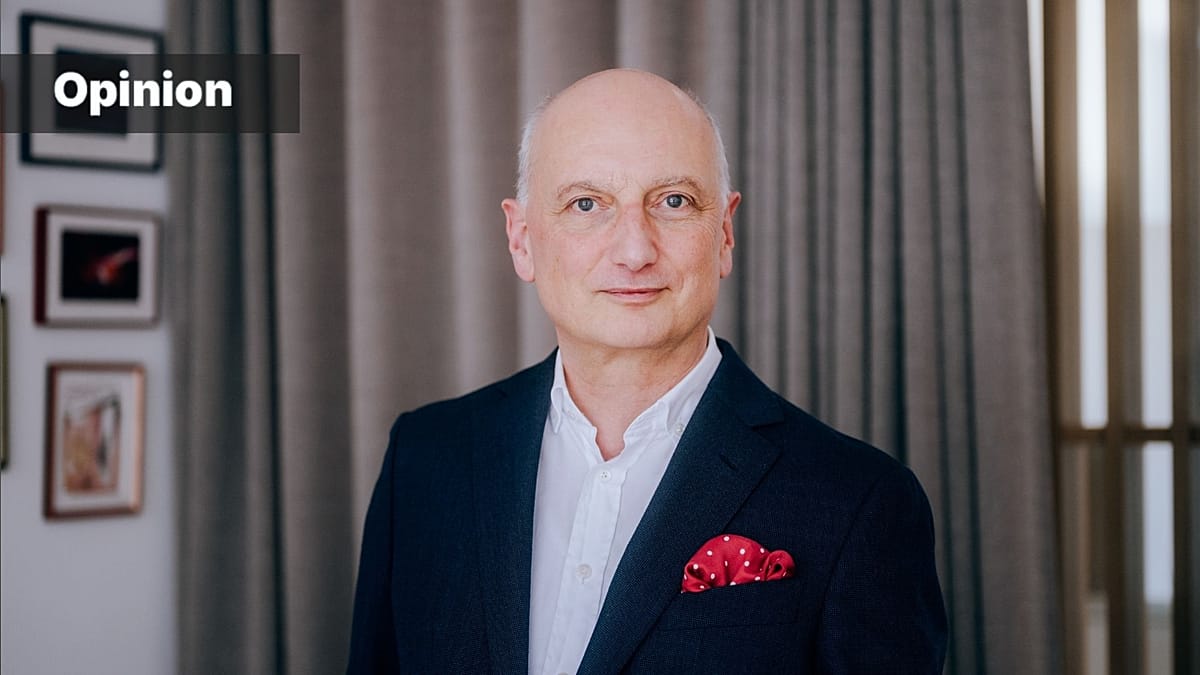
The German economy is in deep trouble, and the man at the helm of the world's best-selling chainsaw brand is not mincing words. Nikolas Stihl, chairman of the advisory and supervisory boards at STIHL, argues that without urgent structural reforms, the country risks losing the industrial base that has underpinned its prosperity for decades.
In an opinion piece for European Pulse, Stihl points to stark figures: over the past eight years, Germany has shed roughly 15 percent of its industrial production. Every month, around 15,000 industrial jobs disappear. Private net investment has fallen to almost zero, meaning companies are only replacing worn-out equipment rather than expanding. Even the government's mid-2025 special depreciation package, dubbed the “Investitionsbooster,” has failed to revive investment appetite.
External factors—US tariffs, China's aggressive industrial policy, and geopolitical tensions—play a role, Stihl concedes. But he insists the core problems are homegrown: excessive regulation, high energy and labor costs, heavy taxation, and a worrying decline in education and skills.
Reforms on the table are not enough
At the start of the year, many entrepreneurs had all but given up on Germany's ability to reform. Then, in July, the governing coalition surprised observers with a package that included changes to statutory health insurance, plus plans for pensions, taxes, and the labor market. Stihl acknowledges the coalition's willingness to compromise, but he is blunt: “This package isn't enough to pull Germany out of its structural crisis.”
He warns that if those compromises are now diluted or unpicked, the damage to business confidence in politics would be devastating. The next round of reforms, he argues, must deliver real momentum for investment and growth. That means cutting bureaucracy further, raising total hours worked, lowering labor costs, and giving companies concrete reasons to invest in research and development.
Stihl also takes aim at the public sector. “What we should expect from public authorities is nothing less than high-quality administration,” he writes. He calls for rules that people can understand, lean and fast procedures, and reasonable reporting requirements—ideally digital and supported by artificial intelligence. He points to a draft law from the new Baden-Württemberg state government that would scrap statutory reporting obligations unless their necessity is explicitly justified. If authorities acted more as service providers, he argues, confidence in Germany as a business location would strengthen.
Working more to protect the welfare state
Demographics are the elephant in the room. As the population ages, the pressure on the welfare state mounts. To maintain prosperity and high social benefits, the total number of hours worked must rise. “More hours worked means more economic output,” Stihl writes, adding that the debate about working more is really about holding on to what we have—not about accusing employees of laziness.
He proposes a mix of measures: incentives to work longer hours, a longer working life with fair exceptions for physically demanding jobs, better use of existing labor (including those out of work and part-timers), and skilled immigration. He also controversially suggests scrapping sick pay for the first day of illness and ending doctor's notes issued over the phone. Productivity gains from digitalization and AI, he warns, will not offset the demographic drag.
On labor costs, Stihl is direct. The collective bargaining round in the metal and electrical industry, due to begin in autumn 2026, will be decisive. “We no longer have the productivity edge over our main competitors that justifies those high labor costs,” he says. That is why he is calling for a 40-hour workweek with no increase in pay. He knows he is asking a lot of unions and employees, but he insists his goal is not to take anything away. “I want industrial companies to be able to compete, production to stay in Germany, and jobs to be safe.”
He also highlights the burden of non-wage labor costs. Contributions to pension, health, long-term care, and unemployment insurance should not exceed 40 percent of gross wages, he argues. Getting there would require a fundamental overhaul of the social security system—a politically explosive suggestion, but one Stihl sees as essential.
Germany's challenges are not unique in Europe, but they are acute. As other member states watch, the outcome of this reform debate will shape not just the German economy but the broader European industrial landscape. The clock is ticking.