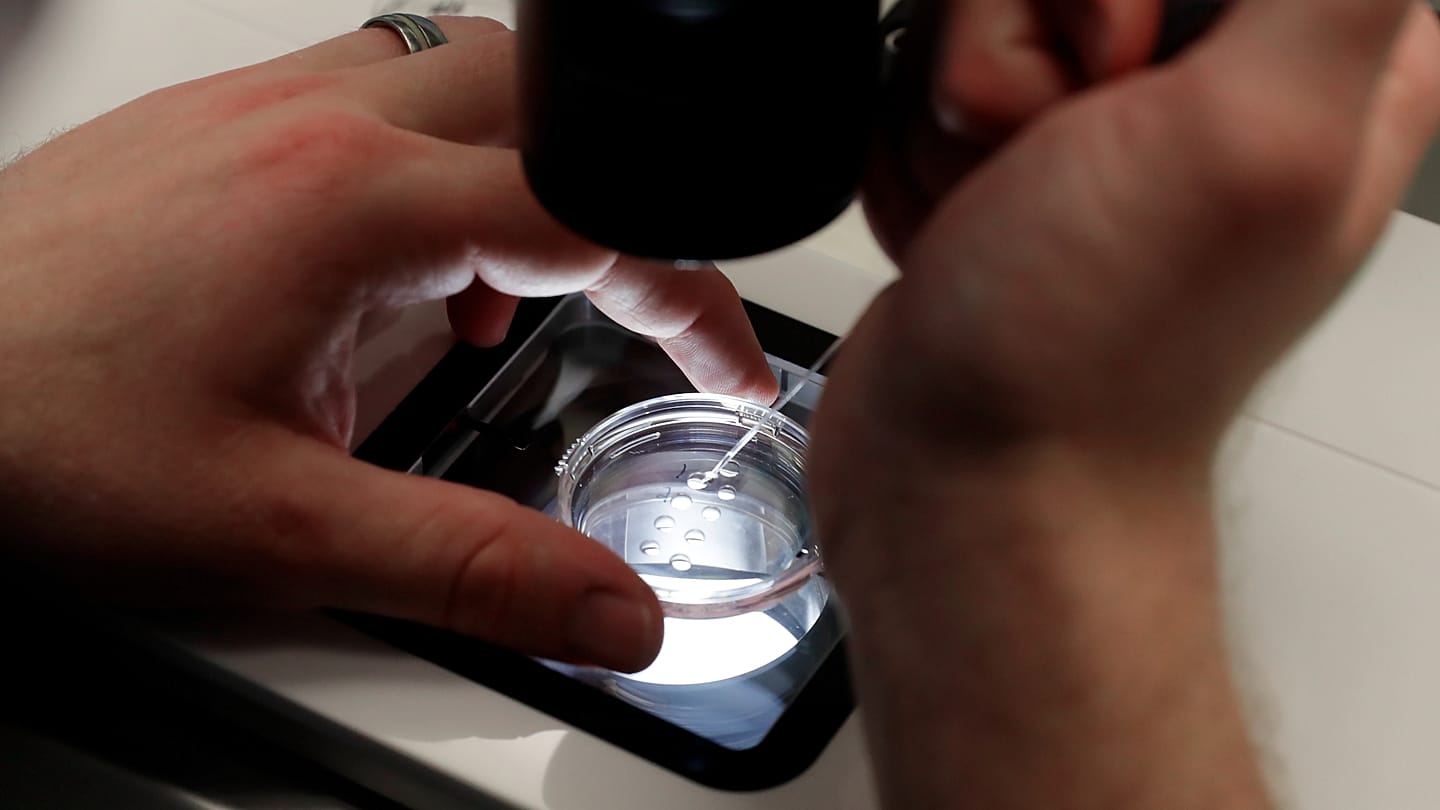
Fertility clinics across Europe, from London to Berlin and Barcelona, routinely offer a range of expensive add-on treatments alongside standard in vitro fertilisation (IVF). These extras—such as endometrial scratching, time-lapse imaging, and assisted hatching—are marketed as ways to boost the chances of a successful pregnancy. But a new study published in The Lancet has found that the evidence supporting their effectiveness is thin at best.
The research, led by scientists at the University of Aberdeen and involving data from clinics in several European countries, reviewed dozens of clinical trials. It concluded that none of the most common IVF add-ons demonstrated a statistically significant improvement in live birth rates. The findings are a blow to a lucrative industry: in the United Kingdom alone, patients spend an estimated £100 million annually on these unproven extras.
Regulatory Gaps Across the Continent
The study highlights a patchwork of regulation across Europe. In the UK, the Human Fertilisation and Embryology Authority (HFEA) has a traffic-light rating system for add-ons, but it is not mandatory for clinics to follow. In Germany, the Embryo Protection Act restricts some procedures, yet clinics still advertise add-ons like preimplantation genetic testing for aneuploidy (PGT-A) without robust proof. France’s Agence de la Biomédecine oversees fertility treatments but has not systematically evaluated all add-ons. The result is that patients in Paris, Rome, or Stockholm may receive very different—and often unsubstantiated—recommendations.
“The lack of harmonised regulation means that vulnerable patients are exposed to potentially unnecessary costs and interventions,” said Dr. Sarah Martins, a fertility specialist at the Karolinska Institute in Stockholm, who was not involved in the study. “We need a Europe-wide framework to ensure that only treatments with proven efficacy are offered.”
What the Study Found
The Lancet review examined 12 common add-ons, including:
- Endometrial scratching (intentionally injuring the uterine lining to promote implantation)
- Time-lapse imaging (continuous monitoring of embryo development)
- Assisted hatching (using a laser to thin the embryo’s outer shell)
- PGT-A (screening embryos for chromosomal abnormalities)
For each, the researchers found either no evidence of benefit or evidence that was too weak to justify routine use. The study’s lead author, Professor David Rizzuto of the University of Aberdeen, stated: “Our analysis shows that many of these add-ons are being sold to patients with little more than marketing hype. The burden of proof should be on clinics to demonstrate that these treatments work, not on patients to prove they don’t.”
The findings come amid broader concerns about the commercialization of fertility care in Europe. A separate Italian study recently showed how lifestyle factors can influence health outcomes, but the IVF industry remains largely driven by profit. In Spain, which has one of the highest rates of IVF cycles per capita in Europe, clinics often bundle add-ons into premium packages that can cost thousands of euros extra.
Patient Advocacy and Next Steps
Patient groups have welcomed the study. “This is a wake-up call for regulators and for anyone considering IVF,” said Elena Fischer, head of the European Fertility Patients’ Association based in Brussels. “People are desperate and will pay anything for a chance at a baby. But they deserve honest information, not false hope.”
The study also echoes findings from other areas of medicine where expensive interventions have been shown to lack evidence. For instance, research on online disinformation has revealed how unverified claims can spread, and the IVF add-on market may be a similar case of profit overriding science.
Some European countries are already taking action. The Dutch government recently announced a review of all fertility add-ons covered by insurance, while the European Society of Human Reproduction and Embryology (ESHRE) is updating its guidelines to recommend against routine use of several of these treatments. However, without binding EU-wide rules, enforcement remains uneven.
For now, the message from the study is clear: patients should ask their clinics for hard evidence before agreeing to any add-on. And regulators across Europe—from the Élysée to the Bundestag—may need to step in to ensure that fertility care is based on science, not salesmanship.