Deep beneath Stuttgart, a vast new transport hub is taking shape. Known as Stuttgart 21, the subterranean replacement for the city's main station is designed to stay cool without air conditioning—a bold claim in a country that just endured record summer temperatures.
Deutsche Bahn (DB), the rail operator, highlighted the design in an August explainer, prompting a mix of disbelief and mockery from residents. “Next video: Why the Titanic didn't need lifeboats,” one commenter joked. Another quipped, “When the train station was planned, there were no air conditioners yet.”
The megaproject was first conceived in the late 1980s and presented to the public in 1994. Construction began in 2010 and has been plagued by costly delays. Now, as the opening is pushed to 2027 with a price tag of €14.5 billion, the no-air-con concept is drawing fresh scrutiny.
How the design aims to stay cool
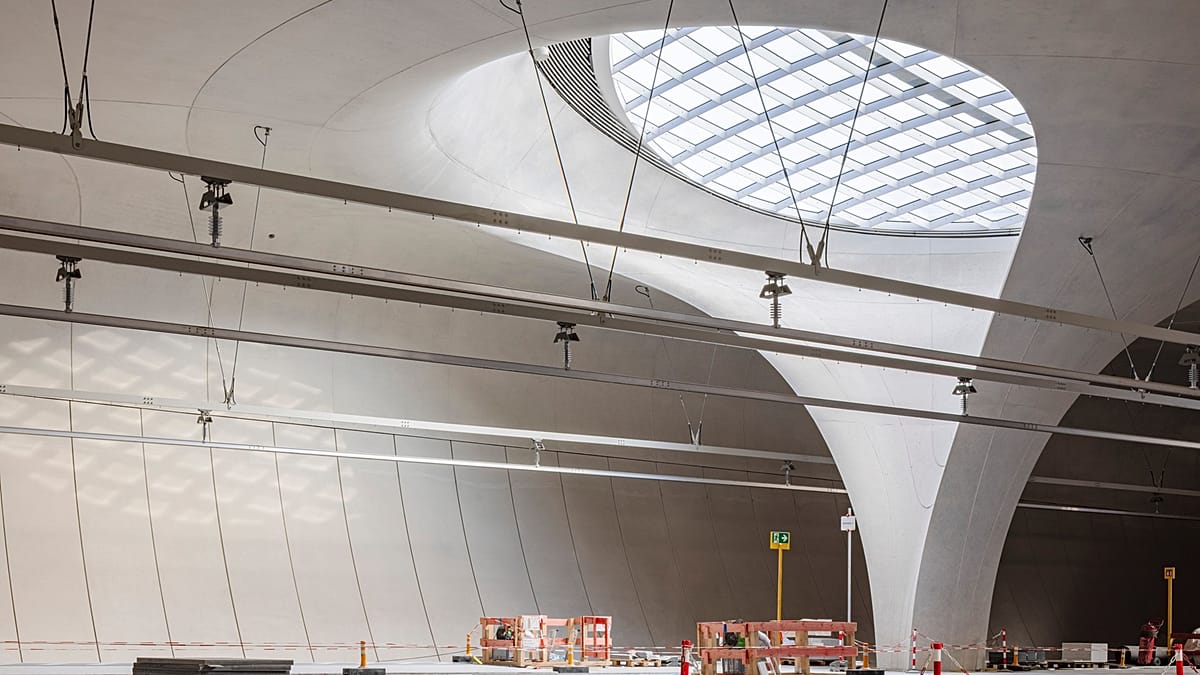
Deutsche Bahn insists that temperatures inside the station will remain stable, even during extreme heat or cold, thanks to its underground location. Stuttgart sits in a natural basin, and the station is at the lowest point. Tunnels slope upwards from there, allowing air to cool as it is drawn down into the station. The flow is aided by passing trains and glass “light eyes” with automated ventilation flaps.
“The future Stuttgart central station will operate entirely without artificial climate control,” Jörg Hamann, DB's head of communications, told Euronews Earth. Air entering the station will be cooled on its journey through tunnels ranging from three to 9.5 kilometres, he explained.
The design could significantly cut the hub's carbon footprint, as heating and cooling account for a large share of energy use in train stations. According to the International Energy Agency, air conditioning is responsible for about one billion tonnes of CO2 emissions annually—out of a global total of 37 billion tonnes. Refrigerants used in AC units also trap thousands of times more heat than CO2, accelerating global warming.
But critics question whether natural airflow can offset the heat generated by human bodies, operating trains, and the trains' own air-conditioning units. They also wonder how much heat will enter through the glass skylights. Some point to other European examples: Barcelona's underground Sants station becomes unbearably hot in late summer, and Lisbon's Metro has had to spend heavily on cooling retrofits amid escalating heatwaves.
A project fraught with setbacks
It's no surprise that the news has been met with skepticism. Stuttgart 21 has had a bumpy ride, from intense protests in 2010 over the felling of 300-year-old trees in Schlossgarten to the relocation of threatened lizards along the route, which cost over €15 million. These setbacks have made the project a running joke among locals, many of whom wonder if it will ever be completed.
A recent internal audit exposed the latest crisis: a delayed opening that will now begin in phases from 2027, a ballooning €14.5 billion price tag, and what DB's own boss called “shocking” failures in planning and oversight. The railway has faced scrutiny from the mayor over its refusal to release the report, and campaign groups are threatening legal action. DB says the audit was intended solely for internal use and cannot be made public for legal reasons.
Will the new station make life above ground hotter?
Above ground, concerns have been raised about the project's impact on Stuttgart's climate. The city lies in a natural valley basin known as the Stuttgart Cauldron, surrounded by steep, vine-covered hills and forests. This traps heat and reduces wind speeds, making it one of the warmest regions in Germany.
Moving the main station underground will free up 100 hectares of inner-city space, much of which is earmarked for a new district called Rosenstein. DB says Rosenstein will feature 10 hectares of green spaces and public squares among 50 hectares of residential and commercial space. A further 20 hectares will be added to the Schlossgarten park, expanding it onto former railway lines.
Campaign group Aktionsbündnis gegen Stuttgart 21 says the current railway yard acts as a vital fresh air corridor that cools the city. It warns that building on this site is likely to restrict airflow in the basin and add to the urban heat island effect. The group has also raised concerns over soil sealing—concreting over land—which can prevent rain from soaking into the earth, destroying ecosystems, drying out greenery, and compounding flood risks.
As Stuttgart swelters through hotter summers, the question is whether this ambitious design will prove a stroke of genius or another costly blunder. The answer may only come when the first passengers step onto the platforms in 2027.