Seasonal depression is typically associated with the long, dark winters of northern Europe, but a lesser-known variant strikes during the brightest months. Summer Seasonal Affective Disorder (SAD) is rare—affecting roughly 0.57% of the global population compared to 5% for winter SAD—yet it can be just as debilitating, according to a recent study.
For Europeans, where heatwaves are becoming more frequent and intense, this condition is gaining attention. The triggers are often heatwaves and tropical nights—when temperatures remain above 20°C overnight—disrupting sleep and exacerbating anxiety. Symptoms range from mild “summer blues” to severe depressive episodes, including insomnia, appetite loss, agitation, and heightened anxiety.
Why Summer SAD Strikes
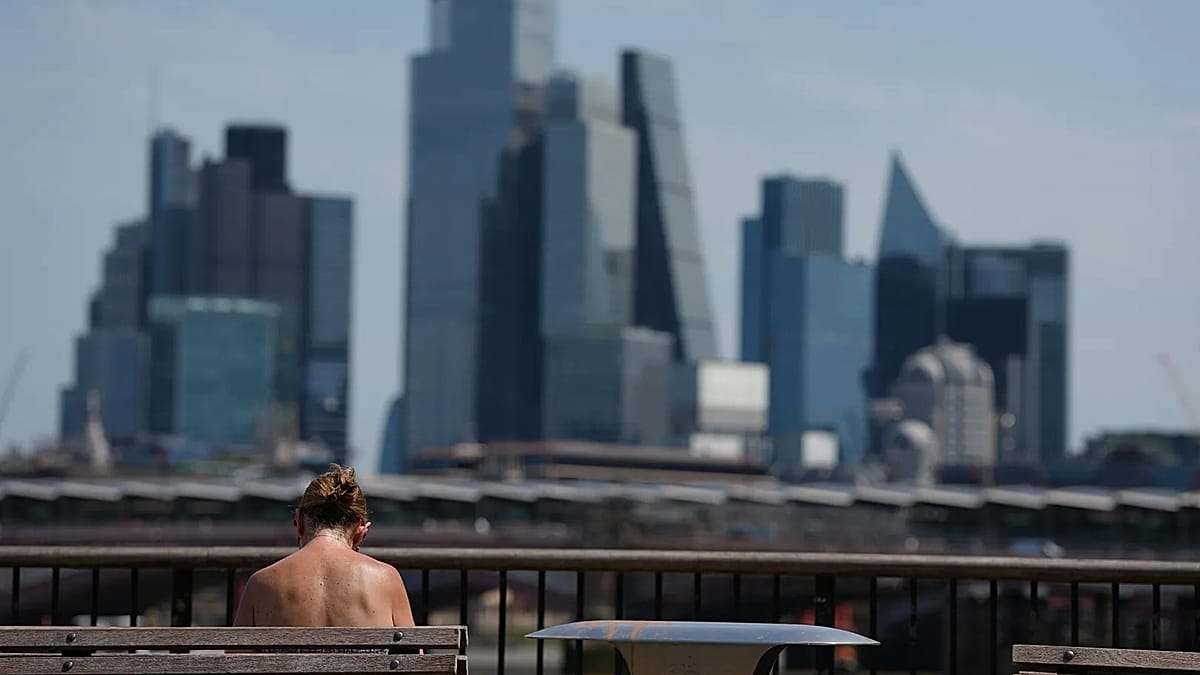
Unlike winter SAD, which is linked to reduced sunlight and social isolation, summer SAD appears to be driven by excessive heat and light. The body’s circadian rhythm can be thrown off by long daylight hours and high temperatures, leading to hormonal imbalances. In southern Europe, cities like Rome, Madrid, and Athens have seen record-breaking heat in recent years, with temperatures exceeding 40°C. The coolcation trend—where travellers flee to cooler Alpine destinations—reflects a broader discomfort with extreme heat, but for those with summer SAD, escape is not always possible.
Adam Borland, a clinical psychologist at the Cleveland Clinic, notes that sticking to a routine, avoiding extreme heat, and prioritising sleep can help ease symptoms. “In severe cases, it is recommended to seek medical attention,” he says. The condition is often underdiagnosed because patients and clinicians alike associate seasonal depression with winter.
Europe’s Growing Mental Health Burden
The broader context is sobering. The Global Burden of Disease Study 2023, published in The Lancet, found that around 1.2 billion people—15% of the world’s population—were living with a mental health condition in 2023, a 95% increase since 1990. In the European Region, an estimated 140 million people, or one in six, have a mental health condition. Yet only one in three people with depression in the region receives adequate care, according to the World Health Organization.
Major depressive disorder and anxiety disorders have seen the sharpest rises, at 131% and 158% respectively since 1990. The study’s authors stress that “responding to the mental health needs of our global population, especially those most vulnerable, is an obligation, not a choice.” For Europe, this includes addressing the specific triggers of summer SAD as climate change intensifies.
The link between heat and mental health is not new. Research has shown that high temperatures can increase irritability, aggression, and suicide risk. In France, the 2003 heatwave led to a spike in psychiatric emergencies. As Europe braces for more frequent heatwaves—Spain recently faced a second summer heatwave with temperatures up to 44°C—the mental health impact cannot be ignored.
For those experiencing summer depression, practical steps include using air conditioning or fans, keeping blinds closed during the day, and maintaining a consistent sleep schedule. Light therapy, paradoxically, may help by resetting the circadian rhythm, but only under medical guidance. The key is to recognise that seasonal depression is not confined to winter.
As the continent grapples with rising temperatures and longer heatwaves, awareness of summer SAD is crucial. It is a reminder that mental health is deeply intertwined with the environment—and that Europe’s changing climate demands a holistic response.