Nearly three billion people globally cannot afford a healthy diet, the United Nations warned on 21 July, as the cost of nutritious food has risen sharply. The finding, from the State of Food Security and Nutrition in the World report by the Food and Agriculture Organization (FAO), underscores a crisis that affects both developing nations and vulnerable populations within Europe.
Máximo Torero Cullen, the FAO's chief economist, told reporters that the global cost of a healthy diet has increased by 25% over the past five years, now standing at $4.28 per person per day, adjusted for purchasing power. This figure exceeds the extreme poverty line of $3.00 per day, meaning that 2.69 billion people—almost one in three—cannot meet basic nutritional requirements.
Why Nutrition Is Out of Reach
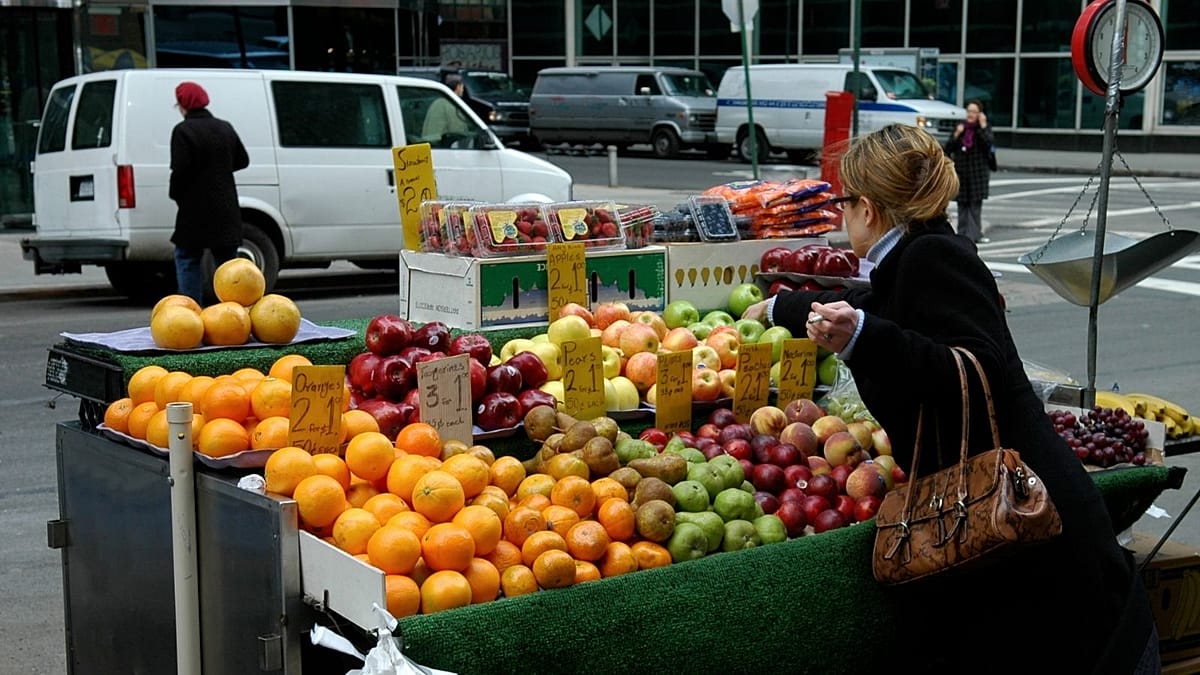
The core problem, Torero explained, is not a shortage of calories but the high price of nutrient-rich foods. Staple crops like grains and root vegetables provide most daily calories but account for only 13% of the cost of a healthy diet. In contrast, fruits and vegetables deliver just 5% of calories yet represent 16% of the cost. Animal-source foods, including meat and dairy, make up nearly 30% of the expense.
“Calories are relatively inexpensive, but nutrition is not,” Torero said. “The challenge is not to produce enough calories but to make nutrient-rich foods more affordable.”
This affordability gap has direct health consequences. The World Health Organization (WHO) identifies unhealthy diets as a leading risk factor for noncommunicable diseases such as cardiovascular disease, diabetes, and cancer—conditions that already strain healthcare systems across Europe, from Berlin to Madrid.
In Europe, the issue is particularly acute for low-income households in countries like Bulgaria, Romania, and Greece, where food inflation has outpaced wage growth. Even in wealthier nations such as France and Germany, rising costs push fresh produce out of reach for many families, exacerbating health inequalities.
The FAO report comes as Europe grapples with broader food system challenges, including supply chain disruptions from the war in Ukraine and climate-related shocks. Solar power saved Europe €20 billion in gas imports since the Iran conflict began, but such savings have not translated into lower food prices.
Torero called for policy interventions to subsidize fruits, vegetables, and legumes, and to reduce trade barriers that inflate costs. He also stressed the need for better data to target aid effectively, particularly in regions like the Balkans and Eastern Europe, where malnutrition coexists with obesity.
The report's release coincides with growing concerns over global food security. The WFP warns global food insecurity is rising as the Lebanon conflict disrupts aid, highlighting how geopolitical instability compounds dietary challenges.
For European policymakers, the findings reinforce the urgency of the EU's Farm to Fork strategy, which aims to make healthy food more accessible. However, critics argue that current agricultural subsidies still favor commodity crops over fresh produce, perpetuating the cost imbalance.
As Torero concluded, “We have the means to produce enough food for everyone. The real work is in making sure that food is nutritious and affordable for all.”