Sweden's highest court has cleared the way for the transfer of a detained Russian cargo vessel to Ukraine, according to court documents seen by AFP on Thursday. The ruling marks a significant step in efforts to hold those circumventing Western sanctions accountable.
The Supreme Court dismissed an appeal by Caffa Shipping Ltd, the owner of the 96-metre ship Caffa, on 4 August. The company had sought to block the handover, which was requested by Ukrainian authorities and had already been approved by two lower courts in Sweden.
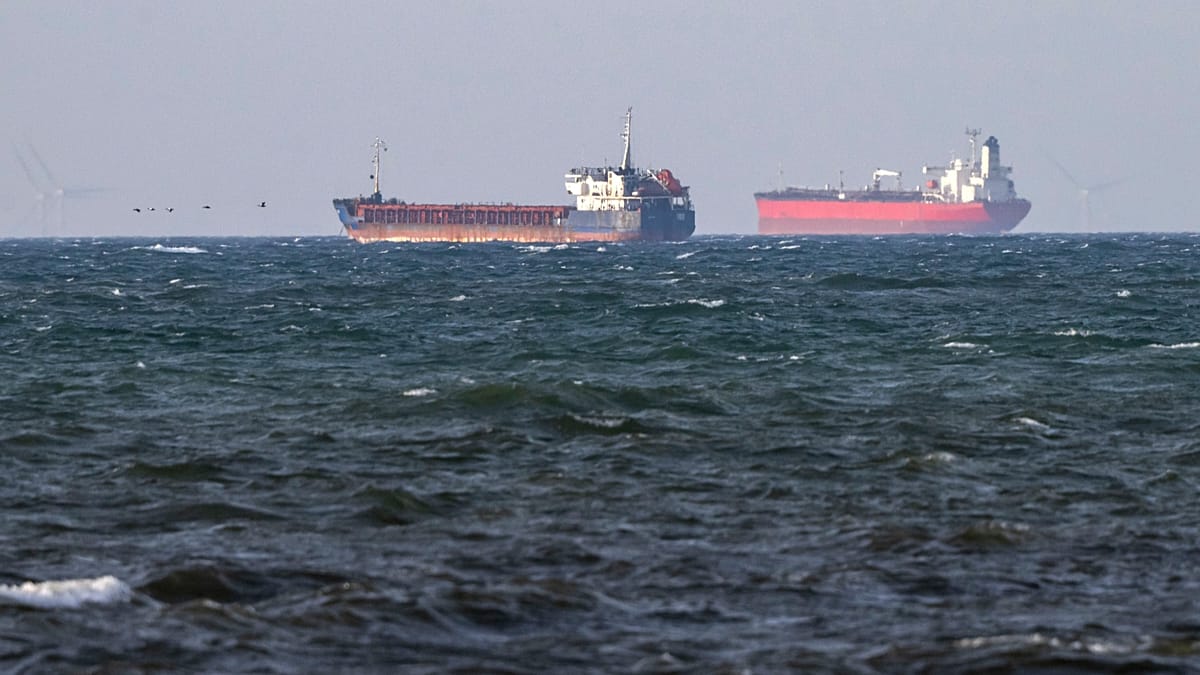
The vessel, which was sailing under a Guinean flag that Swedish officials say was false, was intercepted by armed police off the southern port of Trelleborg on 6 March. It was heading for Saint Petersburg at the time. Ten of the eleven crew members are Russian nationals.
Ukrainian authorities suspect the ship of involvement in the theft of grain from occupied Ukrainian territory. Vladyslav Vlasiuk, Ukraine's sanctions commissioner, said the vessel had previously transported a shipment from the port of Sevastopol in Crimea in July 2025, later unloading its cargo in Tartus, Syria.
The so-called "shadow fleet" refers to ageing, often poorly maintained vessels with opaque ownership and inadequate insurance, used by Moscow to evade Western sanctions and continue trade in sensitive goods.
Ukrainian Foreign Minister Andrii Sybiha welcomed the Swedish decision on Thursday, calling it a landmark ruling. "This landmark decision sets an important precedent, demonstrating that decisive action by law enforcement and prosecutors, combined with an independent and impartial judiciary, can translate the principle of accountability into tangible results," he wrote on X.
A precedent for accountability
The transfer is seen as a test case for how European states can cooperate to enforce sanctions and address the broader issue of shadow fleet activity in the Baltic Sea and beyond. Sweden's action follows a request for legal assistance from Ukraine, where the Caffa is the subject of an ongoing investigation.
The ruling comes amid heightened tensions over Russian maritime operations and repeated attacks on Ukrainian infrastructure. In recent weeks, Ukraine has struck Russian refineries while Moscow has continued to target civilian areas, including a deadly overnight barrage that killed at least 15 people in Kyiv.
European Union member states have been exploring ways to counter the shadow fleet, including stricter port inspections and insurance checks. The bloc has also moved to channel revenues from frozen Russian assets to support Ukraine, with €1.4 billion recently allocated for that purpose.
Legal experts note that the Swedish decision could encourage other countries to take similar action. "This is a clear signal that the shadow fleet is not beyond the reach of the law," said one analyst. "It shows that determined judicial cooperation can produce tangible results."
The Caffa is currently held in Swedish waters, and the practical details of the transfer are expected to be worked out in the coming weeks. Ukrainian officials have indicated that the vessel will be used in their ongoing efforts to document and prosecute war-related crimes.
For Sweden, the case also underscores its role as a key partner in European security, particularly after joining NATO. The country has been vocal about the need to protect undersea infrastructure and counter Russian hybrid threats in the Baltic region.
The decision has been praised by Baltic states, which have frequently reported suspicious activity by shadow fleet vessels in their exclusive economic zones. Estonia, Latvia, and Lithuania have called for a coordinated European response to the phenomenon.
As the legal process concludes, the focus now shifts to the broader implications. The transfer of the Caffa may serve as a template for future cases, but it also highlights the challenges of enforcing sanctions in international waters. The vessel's ownership structure, with links to multiple jurisdictions, illustrates the complexity of such operations.
For Ukraine, the handover is more than symbolic. It provides a tangible asset that can be used in the fight against impunity, and it reinforces the message that those who profit from the war will face consequences.