In the days before Sweden's general election, researchers uncovered a network of more than 8,500 X accounts that appeared to be artificially boosting the profiles of Swedish political voices. The accounts, many using stolen photographs and minimal original content, were traced to countries such as Nigeria, Ghana, and Benin, raising questions about foreign interference in the Nordic nation's democratic process.
The findings come from a collaboration between Dutch analysis firm Trollrensics, the non-profit Alliance4Europe, and Swedish broadcaster SVT. The researchers identified patterns of coordinated behavior, including similar identity constructions, reused images, and overlapping follow lists that concentrated on Swedish political accounts.
How the accounts were identified
Robert van der Noordaa, co-founder of Trollrensics, told The Cube that his company uses 26 indicators to detect coordinated networks. These include unusual spikes in account creation dates, stolen profile photos, and simultaneous posting of identical content. The Swedish accounts in question rarely posted original material but followed large numbers of genuine Swedish users engaged in political debate.
Van der Noordaa noted that some profiles with thousands of followers derived as much as 30% of their following from suspicious accounts listed in Nigeria, Benin, and parts of Asia. The accounts followed individuals across the political spectrum, with a heavier emphasis on right-wing voices and those linked to the Moderate Party.
Researchers say mass-following can inflate a profile's perceived popularity and amplify posts through coordinated likes and reposts. This tactic can make fringe voices appear more mainstream than they are, potentially skewing public perception during an election period.
Who is behind the network?
Trollrensics says similar account clusters have been identified in elections across Europe, including in the Netherlands and Hungary. Some accounts even changed identities when moving between national debates. "They have a German name, a German bio, and then at some point they're sort of repurposed," van der Noordaa said. "We've also found accounts in Sweden that are following a lot of Swedish people that started as Dutch accounts."
Van der Noordaa believes the operation is commercial, a "guns for hire" service that can be deployed for different clients. The majority of people hired to run these troll accounts are based in Africa or the United States, he added.
Darren Linvill, co-director of Clemson University's Media Forensics Hub, independently examined a sample of the accounts. He told The Cube that their behavior was consistent with paid amplification services increasingly used by political and state-linked actors. Such operations can involve small marketing firms or individual contractors running accounts and automated bots, with services sold through larger companies or online marketplaces.
"They were giving accounts followers so that those accounts appear more legitimate, appear to have a larger portion of the conversation," Linvill said. "They appear to represent a larger community than they do in real life." He noted that the tactics resemble those seen in Russian influence operations, which also rely on disposable accounts to promote fake content.
Election security concerns
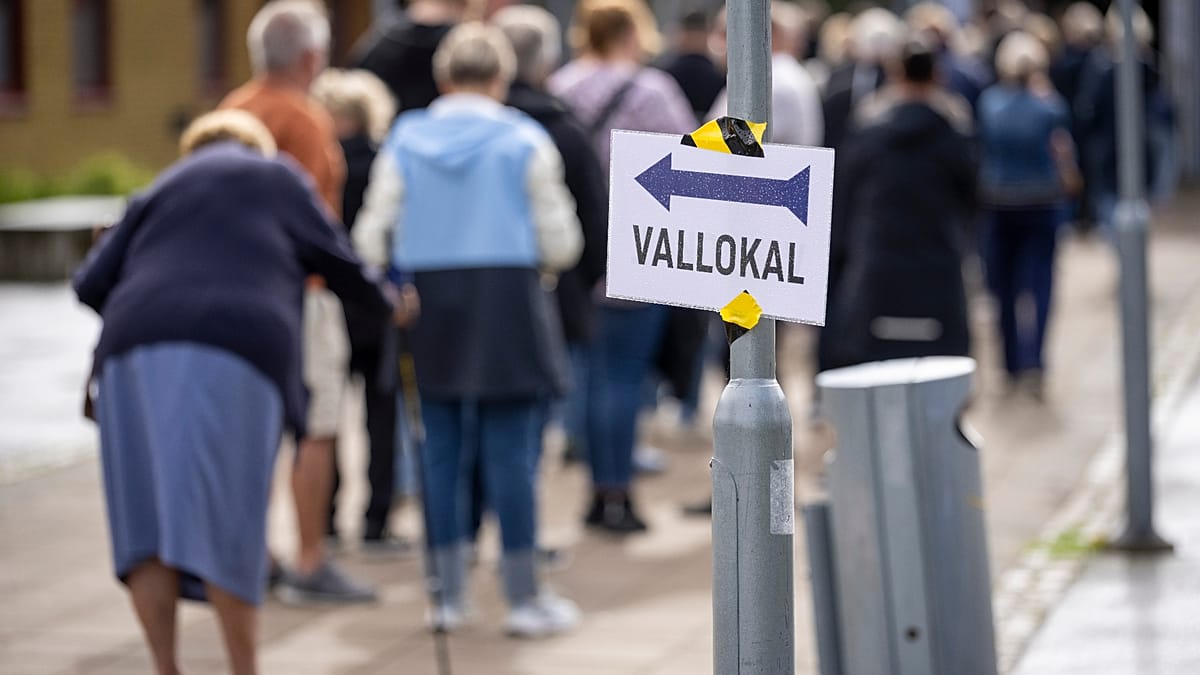
The findings emerged against a backdrop of heightened concern over foreign interference in Sweden. Swedish authorities had said before the vote that the country was not considered a priority target for Russian influence, but they warned that hostile actors could seek to deepen divisions or undermine confidence in the electoral process.
Separately, Alliance4Europe reported that the pro-Russian influence operation known as Matryoshka circulated fabricated videos targeting the governing coalition and Ukrainian refugees. During the election, unproven claims of widespread fraud spread after a technical error affected the registration of around 500 advance voters. Other posts falsely alleged that a senior Election Authority official was affiliated with the Social Democrats, and others claimed that Swedes without identity documents could vote multiple times.
The preliminary election results gave the centre-left opposition, led by Magdalena Andersson's Social Democrats, a narrow lead over the governing right-wing alliance. With 95% of districts counted, opposition parties were projected to win 176 of 349 parliamentary seats, compared with 173 for the bloc led by Prime Minister Ulf Kristersson. Final results are expected a week after election day.
For more on the Swedish election outcome, see our analysis of the preliminary results. The broader issue of foreign influence operations is not unique to Sweden; similar tactics have been observed in other European elections, as highlighted in our coverage of political reactions in Germany.