Children exposed to certain infections before birth face a markedly higher likelihood of being diagnosed with autism and intellectual disability later in life, according to a large Swedish cohort study published this week. The research, led by the Karolinska Institutet in Stockholm, tracked 3.7 million people born in Sweden between 1987 and 2021, following them for up to three decades.
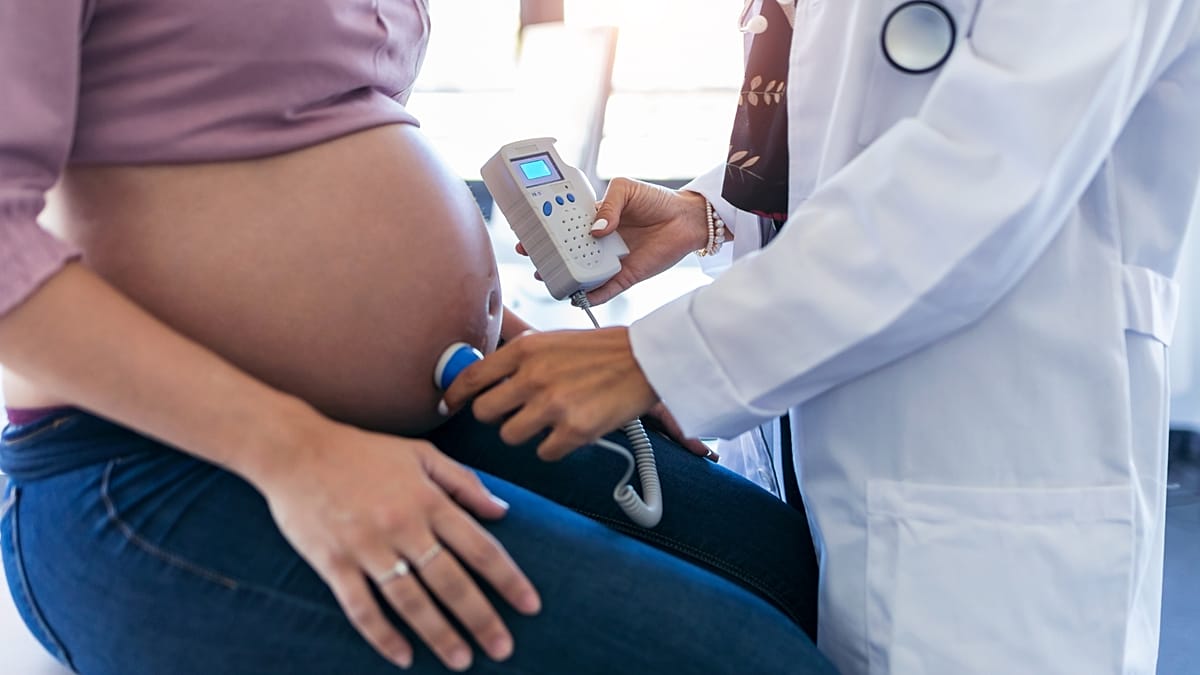
The infections in question belong to the so-called TORCH group—toxoplasmosis, rubella, cytomegalovirus and herpes simplex—which can cross the placenta and directly affect the developing foetus. Unlike common childhood illnesses, these pathogens can cause miscarriage, stillbirth and other pregnancy complications. Of the 3.7 million individuals studied, 975 had a confirmed congenital TORCH infection.
Risks far higher than previously recognised
Among those born with such an infection, the risk of an autism diagnosis was roughly three times that of uninfected peers. The risk of intellectual disability was more than seven times higher overall, and for severe to profound intellectual disability the figure rose to as much as 30 times. The authors estimate that one in five children born with a TORCH infection may later develop autism.
Even children who did not receive a formal diagnosis appeared affected: 420 individuals with a TORCH infection performed poorly at school without being identified as having autism or an intellectual disability. The findings suggest that the consequences of congenital infections extend beyond clinical diagnoses into everyday educational outcomes.
“Although these congenital infections are rare, some of them can be prevented, which makes them important from a public health perspective,” said Reneé Gardner, a researcher at Karolinska Institutet’s Department of Global Public Health and a contributor to the study.
The study’s scale and long follow-up period give it unusual weight. Previous research had hinted at links between individual TORCH pathogens and neurodevelopmental disorders, but few cohorts have been large enough to quantify the risk across the full spectrum of intellectual disability. The Swedish data, drawn from national health and education registers, allow for a more precise estimate.
Prevention gaps across Europe
TORCH infections vary widely in prevalence. Congenital cytomegalovirus (CMV) is the most common globally, affecting about one in every 150 newborns. The burden is substantially higher in low- and middle-income countries, but Europe is not exempt. In France, for example, CMV screening during pregnancy is not universal, and awareness among expectant mothers remains low. Syphilis, once nearly eliminated in Western Europe, has resurged in several countries, including Germany and the United Kingdom, driven partly by cuts to sexual health services.
Rubella is vaccine-preventable, yet outbreaks continue in pockets of the continent where immunisation coverage has slipped. The study’s authors argue that their findings strengthen the case for mass vaccination strategies and for maintaining robust antenatal screening programmes. They also call for better surveillance in areas with higher infection rates.
The research adds to a growing body of evidence that early-life exposures shape long-term neurological development. It echoes findings from other European studies, such as research linking neighbourhood deprivation to faster brain ageing, which similarly highlight how environmental factors can leave lasting marks on the brain.
For policymakers, the message is twofold. First, rare infections with severe consequences deserve sustained attention even when case numbers are low. Second, prevention is possible: vaccines exist for rubella, and simple hygiene measures can reduce CMV transmission. As Gardner noted, the fact that some of these infections are preventable makes them a public health priority.
The study was published in a peer-reviewed journal and its authors stress that the absolute number of affected children remains small. Yet for those families, the impact can be profound. The findings are likely to feed into debates across Europe about antenatal care, vaccination mandates and the funding of rare-disease research.