In Switzerland, researchers are pushing the boundaries of wastewater surveillance, hoping to turn sewage into an early-warning system for the next pandemic. By analyzing the genetic traces people flush away, they aim to detect not just known viruses but also entirely new threats before they spread widely.
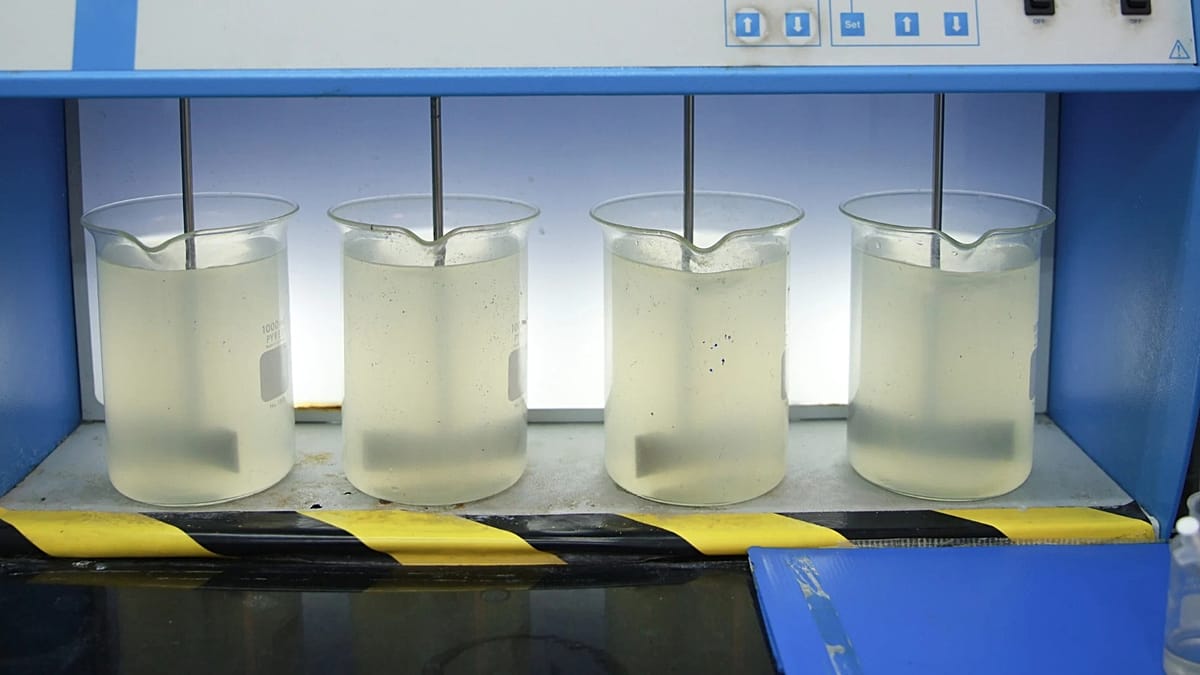
When people use the bathroom, wash their hands, or shower, they shed virus fragments that end up in the sewer system. At treatment plants, scientists collect small samples and test them for these genetic markers. This technique has been used for decades to monitor polio, drug-resistant bacteria, and even illicit drug use in communities.
During the COVID-19 pandemic, wastewater testing proved its value by tracking the rise and fall of variants, often before clinical cases were reported. In Switzerland, researchers now routinely monitor coronavirus, influenza, and respiratory syncytial virus (RSV) using samples from ten treatment plants, covering about 22% of the population. That is a reduction from roughly 100 plants during the peak of the pandemic, but the data still helps hospitals prepare for surges.
“We use the data to warn hospitals about an upcoming uptick in illnesses, so they can decide about staffing, masking, and other measures,” said Tanja Stadler, head of the Department of Biosystems Science and Engineering at ETH Zürich. By sequencing the virus fragments, her team can also predict the severity of the flu season and assess whether vaccines and monoclonal antibodies—used to prevent and treat infections like RSV—are likely to be effective against circulating strains.
“Sequences can tell us, are monoclonals or vaccines working well, or do we anticipate there's a problem, so we should change that in some way?” Stadler told Euronews. “If we see such mutations, we can highlight that.”
Beyond known pathogens
Stadler and her colleagues are now developing methods to detect all viruses present in wastewater, not just a select few. The goal is to catch unknown pathogens, including the hypothetical “Disease X”—a placeholder for an unidentified microbe with pandemic potential.
“Right now, we are going very specific to the pathogens at hand,” Stadler explained. “We pretty much filter out everything SARS-CoV-2, measure how often it is there and how it looks.” With a broader approach, they would sequence every virus found in the samples, including novel strains. “If there's then some pathogen X, a new pandemic strain, we would capture it as much as influenza or SARS-CoV-2,” she said.
Another layer of complexity is determining the source of the virus fragments. Stadler wants to know whether a detected virus came from a human or an animal. For instance, if avian influenza is found in wastewater, it is less concerning if it originated from birds rather than from human cells. Bird flu has jumped from animals to people in recent years in Europe and North America, but sustained human-to-human transmission has not been observed. If the virus mutates to spread easily among people, that would pose a major global health threat. “That's a huge pandemic risk,” Stadler said.
Beyond detection, wastewater could also reveal how well a community is protected against a virus. By measuring antibodies in sewage samples, scientists might gauge population-level immunity. Stadler estimates these advanced capabilities could be operational within two to six years, provided funding remains stable.
The team's work is already in high demand. They publish a near-real-time dashboard for hospitals, public health agencies, and pharmaceutical companies. When the dashboard goes down, they hear about it quickly. This kind of surveillance is part of a broader European effort to strengthen pandemic preparedness, as seen in initiatives like the World of Warcraft glitch that inspired pandemic modeling.
As climate change intensifies health risks, some experts argue that wastewater monitoring could also help track the spread of diseases linked to environmental shifts. The UN climate chief has called global warming a health emergency on a pandemic scale, underscoring the need for robust surveillance systems.
While the technology is promising, it is not without challenges. Funding cuts have already reduced the number of sampling sites in Switzerland, and maintaining public trust is essential. Still, Stadler believes the potential benefits outweigh the costs. “If we can detect the next pandemic early, we can save lives and prevent economic disruption,” she said.