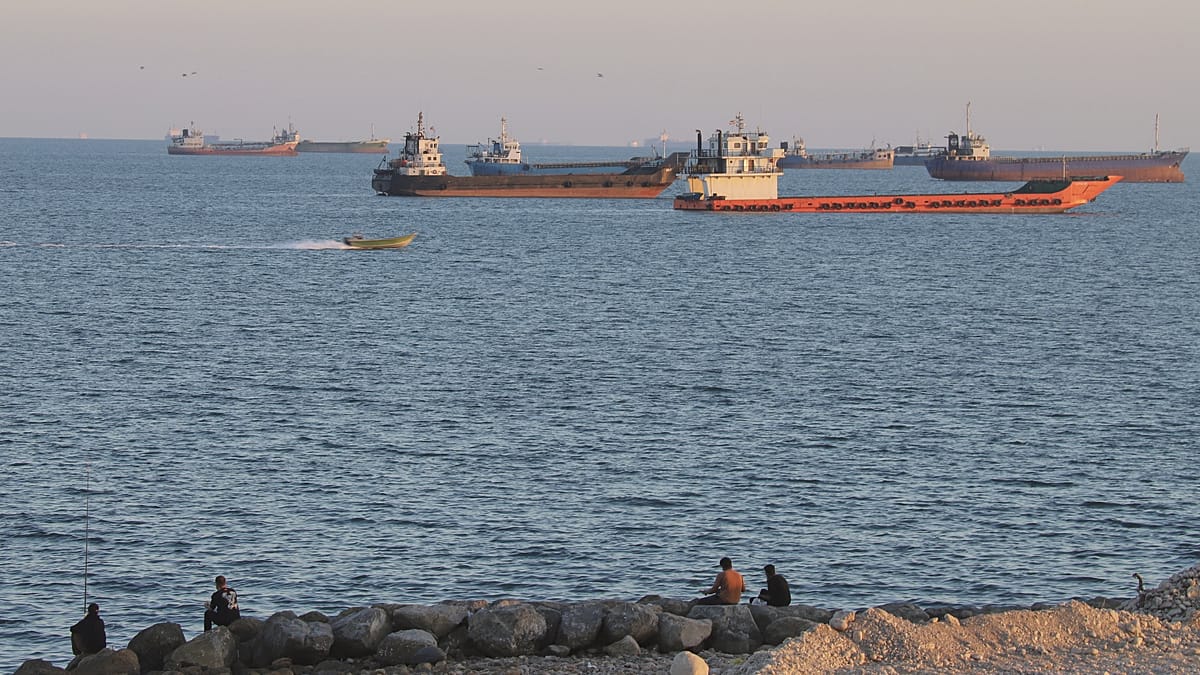
American forces have intensified their naval campaign against shipping linked to Iranian ports, firing on a Palau-flagged vessel that attempted to run the blockade on Thursday. The US Central Command confirmed on Friday that its aircraft struck the Pacific Archer with precision munitions in the Gulf of Oman, just beyond the Strait of Hormuz.
According to the US statement, the ship had departed from Bandar Abbas, a major Iranian port on the strait, and was intercepted shortly after entering open waters. The attack disabled the vessel's propulsion system, but the civilian crew was reported unharmed.
Blockade enforcement escalates
Central Command said it "continues to strictly enforce the blockade," a policy that has now led to the disabling of six ships and the diversion of 158 others since it began in mid-July. The blockade followed the collapse of a short-lived agreement between Washington and Tehran, which had briefly eased tensions in the region.
The move has drawn sharp criticism from Iran, which has maintained its own restrictions on shipping through the Strait of Hormuz. In recent weeks, Iranian naval forces have reportedly signaled multiple vessels catching fire while attempting to use routes that Tehran considers off-limits, a tactic that has raised concerns among international maritime operators.
On Monday, Iranian foreign ministry spokesman Esmaeil Baqaei vowed to use all available means to counter the US blockade, signaling that Tehran is unlikely to back down. Diplomatic efforts to resolve the broader crisis, which erupted in February with US and Israeli strikes on Iran, have remained stalled.
The standoff has significant implications for global energy supplies, as the Strait of Hormuz is a critical chokepoint for oil and gas shipments. European nations, heavily reliant on Middle Eastern energy, are watching the situation closely, though the EU has so far avoided direct involvement.
Analysts note that the blockade's enforcement could lead to further escalation, with potential consequences for international shipping lanes and regional stability. The US has not indicated any plans to lift the blockade, and Iran's countermeasures suggest a prolonged confrontation.
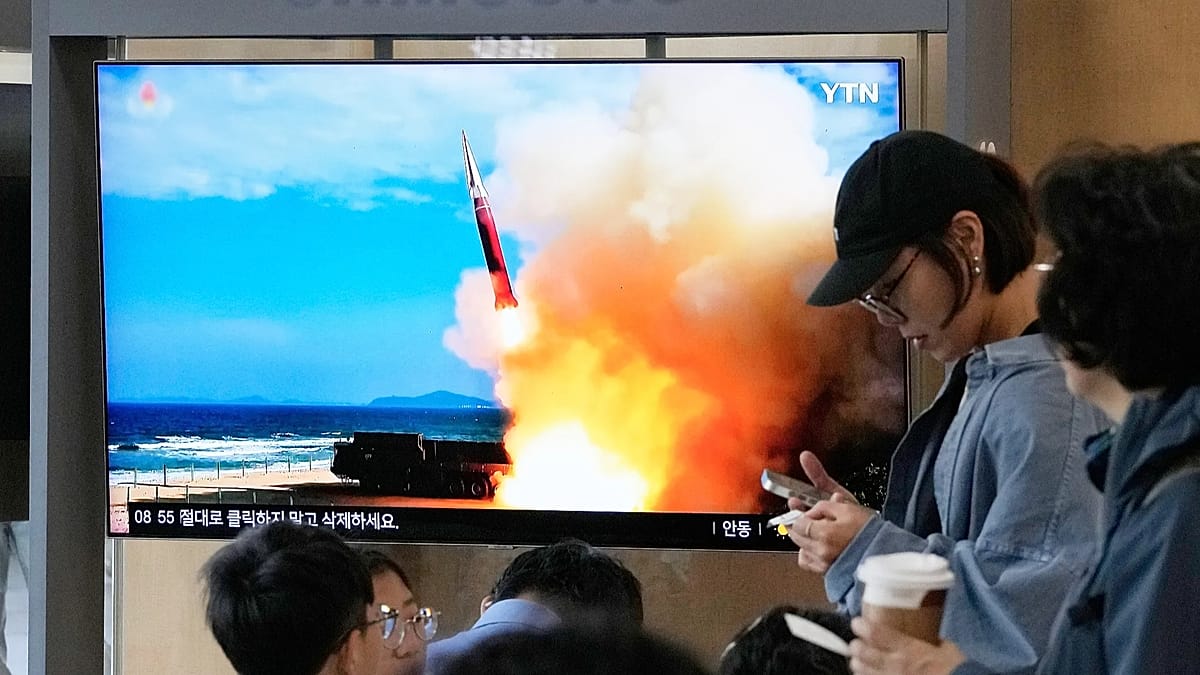
Meanwhile, other geopolitical flashpoints continue to demand attention. In Europe, the widening military corruption crackdown in Russia has raised questions about the Kremlin's defense priorities, while Ukraine reports that North Korea has halted military aid to Russia following a dispute with Seoul. These developments underscore the interconnected nature of global security challenges.
For European policymakers, the Hormuz crisis adds another layer of complexity to an already volatile geopolitical landscape. The EU has previously sought to mediate between Washington and Tehran, but those efforts have yielded little progress. As the blockade continues, the risk of miscalculation grows, with potential ripple effects for European economies and security.
The situation remains fluid, and further incidents are likely as both sides dig in. The international community, including European capitals, will be watching closely for any signs of de-escalation or, conversely, a further slide toward confrontation.