Ukraine's military intelligence directorate (HUR) reported on Wednesday that North Korea has suspended military assistance to Russia following a diplomatic spat over Moscow's statements regarding Seoul. The claims, which have not been confirmed or denied by either Moscow or Pyongyang, suggest a rare rift in the increasingly close partnership between the two allies.
According to the HUR, North Korean leader Kim Jong-un personally made the decision after Pyongyang took offence at remarks by Russia's Deputy Foreign Minister Andrei Rudenko. In October, Rudenko said that Moscow would help ease tensions between Seoul and Pyongyang, a statement that North Korea's Foreign Minister Choe Son Hui reportedly described as "not consistent with the spirit of the allied agreements between the two states."
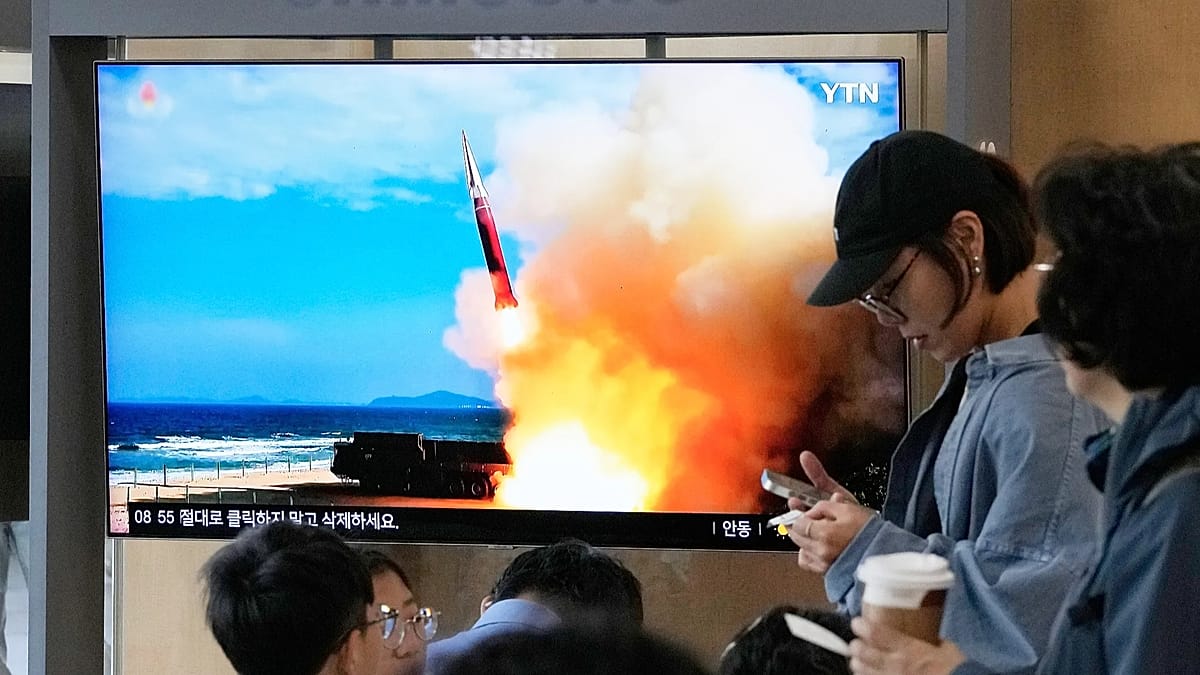
The suspension, as outlined by Ukrainian intelligence, includes a ban on Russian military transport aircraft using North Korean airspace, a halt to deliveries of KN-23 ballistic missiles, and a stop to further artillery munitions shipments. Additionally, North Korea is said to be holding back from fulfilling a Russian request to expand its military contingent on Russian territory from 8,500 to 50,000 troops.
Moscow's balancing act
Rudenko made no public statement in those terms, but he told Russian state media on 20 October that Moscow was ready for a "normalisation of relations" with Seoul. "We do not link our relations with any country to what is happening with Ukraine. Therefore, if our South Korean partners take any practical steps, then of course they will be welcomed on our part," he said.
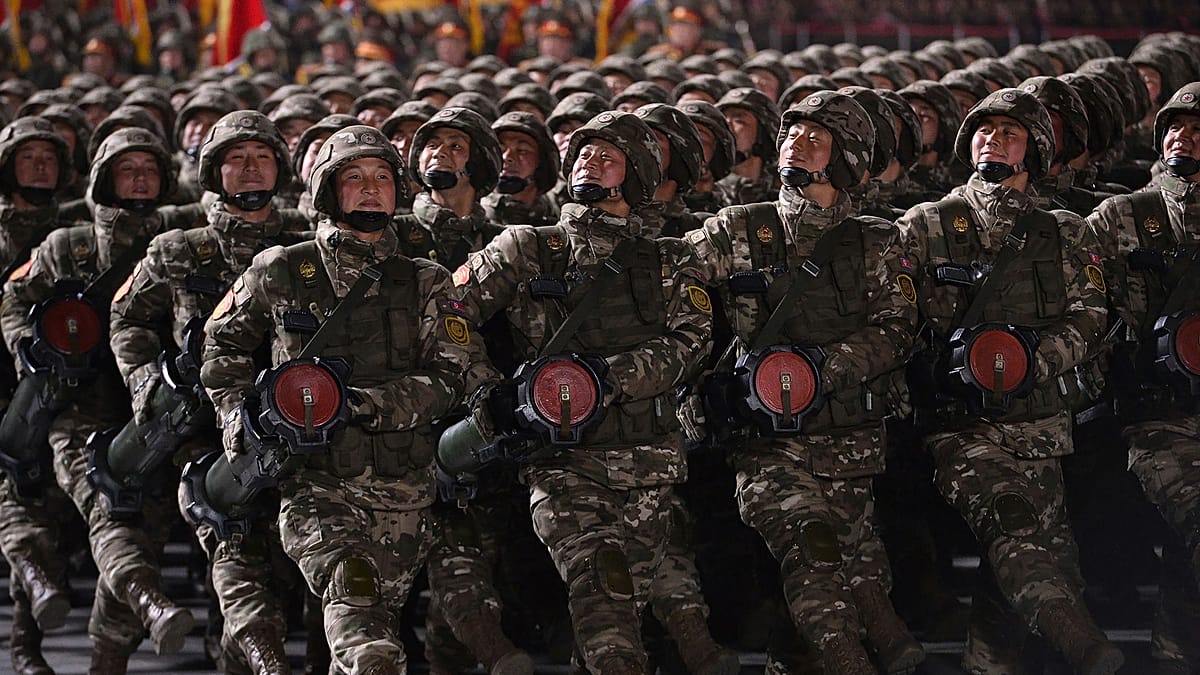
The reported friction comes amid a deepening military alliance between Russia and North Korea. In June 2024, Putin and Kim signed a mutual defence pact, after which North Korea became one of Russia's closest military partners in its ongoing all-out war in Ukraine. Russia deployed North Korean troops in an offensive later that year against Ukrainian forces in the Russian border region of Kursk.
Russia remains heavily dependent on North Korean weapons and materiel. In exchange, Pyongyang is understood to be seeking military technology, raw materials and financial assistance, as well as operational experience from Russia's war in Ukraine.
The timing of the reported suspension is notable. On 16 November, a senior aide to Kim, Politburo Presidium member Cho Yong Won, met Russian President Vladimir Putin in Moscow, on the eve of the APEC summit. The meeting suggests that high-level contacts continue despite the reported tensions.
Neither Moscow nor Pyongyang had made official statements in response to the HUR report at the time of publication. The claims, if true, would represent a significant setback for Russia's military logistics, which have increasingly relied on North Korean supplies to sustain its offensive operations.
For European observers, the development underscores the fragility of Russia's wartime alliances and the potential for diplomatic missteps to disrupt supply chains. The Kremlin's attempts to balance its relationship with North Korea and South Korea—a key US ally in Asia—highlight the complexities of its foreign policy as it seeks to sustain its war effort.
Meanwhile, the EU continues to grapple with the broader implications of the conflict, including budgetary disputes over Ukraine aid and the need to bolster its own security. The reported halt in North Korean military aid could ease some pressure on Ukraine's defenders, but the overall situation remains dire, with Russian missile and drone strikes continuing to claim lives across the country.
As the war enters another winter, the reliability of Russia's external support is a critical variable. The HUR's claims, if verified, would mark a notable shift in the dynamics of the conflict, though the lack of confirmation from Moscow or Pyongyang leaves room for uncertainty.