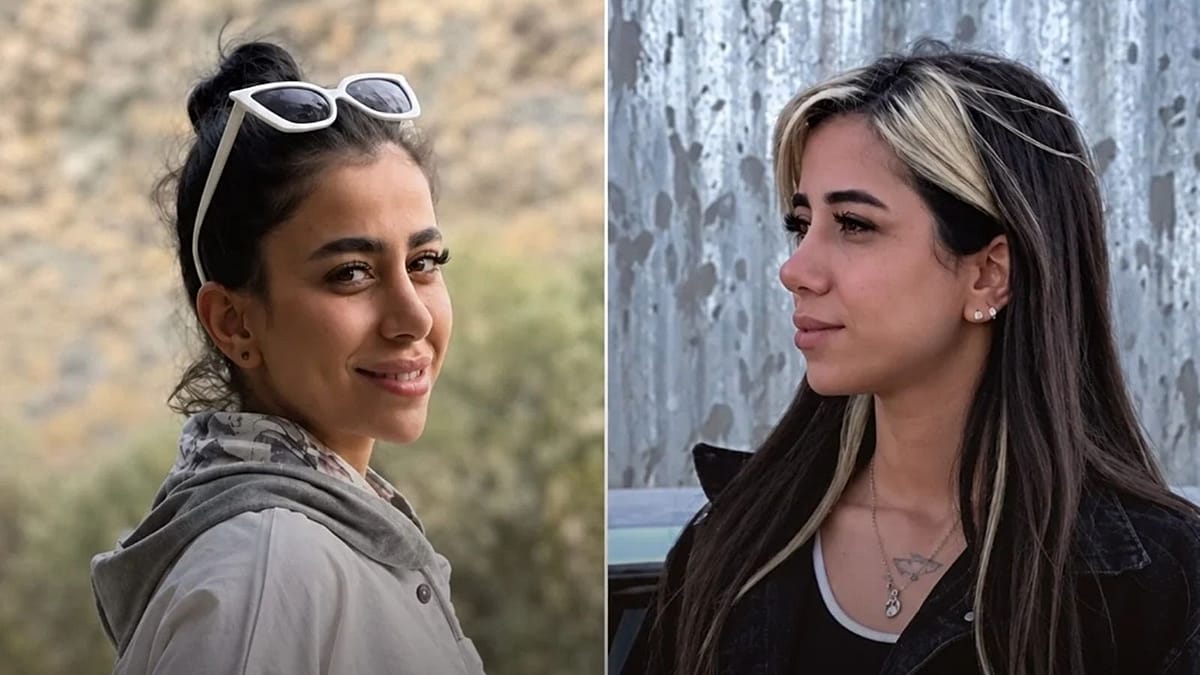
Relatives of two Iranian sisters detained after the January 2026 uprising say the twins — one sentenced to death and the other to 25 years in prison — were severely beaten and tortured while in custody, despite international appeals for their humane treatment and release.
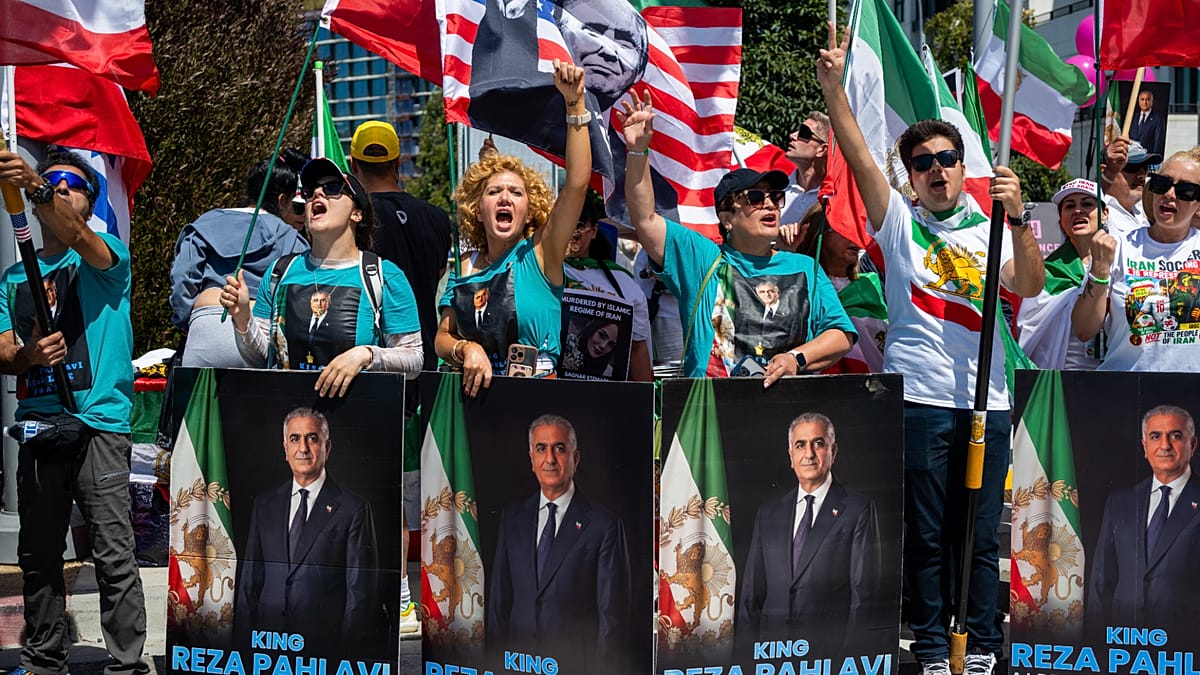
Taraneh and Rumina Rahimi, 21-year-old twins, were arrested in Isfahan on 24 January during protests that the United Nations said were met with severe government repression, leaving thousands dead. Taraneh was sentenced to death, and Rumina to 25 years in prison. Both have denied all charges.
Their cousin, Massoud Nurmohammadi, who is based in the United States and has spoken to multiple international media outlets, said Taraneh can no longer walk properly due to blows inflicted on her legs during detention. An untreated bone injury caused an ear infection that has affected her balance.
The sisters were shortlisted for the European Parliament's Sakharov Prize in October 2026, an award that honours individuals and groups defending human rights and fundamental freedoms.
Enforced disappearance and torture
Amnesty International said the sisters were held in enforced disappearance for more than three months after their arrest, with their family unable to determine their whereabouts. When their mother was finally permitted to visit, the twins' faces were severely swollen and bruised, and their hair had been pulled out to the extent that she could identify them only by their voices, according to Amnesty.
Amnesty also said Taraneh was tortured and refused to sign a forced confession until interrogators threatened to rape her sister in front of her. The confession alleged she had carried a bladed weapon during the protests and was used as the basis for the death sentence. There is no independent evidence to support the allegation.
Their cousin said the sisters' lawyers filed a complaint alleging they were tortured and sexually abused during interrogation. Iran's judiciary assigned the complaint to the same official the sisters had accused of carrying out the abuse. One of their lawyers has since been detained; a second withdrew from the case. The family has appointed new legal representation to pursue the appeal.
Widespread death sentences
In less than two months, Iranian judges sentenced at least six women, including Rahimi, to death or upheld existing death sentences against them following trials Amnesty described as unfair. Iran Human Rights (IHR), a Norway-based organisation, documented at least 121 death sentences handed down in connection with the January 2026 protests in a report published on 16 November.
"Behind these death sentences, there are horrifying narratives of torture that cannot be imagined," said IHR director Mahmoud Amiri-Moghaddam. "Young protesters have been sentenced to death based on confessions taken from them under torture and after grossly unfair trials in revolutionary courts. Even the few lawyers who dare to truthfully defend their clients face threats, harassment and serious risks to their personal safety."
European Parliament condemns sentences
On 8 October, the European Parliament approved a resolution on the human rights situation in Iran by 541 votes to 11, with 25 abstentions, condemning what it described as unprecedented violence by security and judicial authorities against civilians since January 2026. MEPs expressed concern over attacks on human rights activists and journalists, and trials of protesters based on confessions obtained through torture.
The resolution called for the death sentences against Iranian protesters, including Taraneh Rahimi, to be overturned, and cited Rumina Rahimi's prison sentence. The European Union has repeatedly urged Tehran to halt executions and release political prisoners, but Iran's judiciary has shown no sign of heeding those calls.
In a separate development, a court in Qom this week sentenced Iranian singer Parastoo Ahmadi and eight other members of her band to 74 lashes each, two years banned from leaving the country, and two years excluded from artistic activity after they performed a concert without observing mandatory veiling rules. The case has drawn international criticism, including from European cultural figures who have rallied behind jailed Iranian director Jafar Panahi.
The Rahimi twins' case has become a symbol of the broader crackdown on dissent in Iran, which has also seen Iranian-linked plots and tensions in the Strait of Hormuz heighten European security concerns. As the European Parliament's resolution makes clear, the bloc is watching Tehran's actions closely, but concrete measures to protect Iranian citizens remain limited.