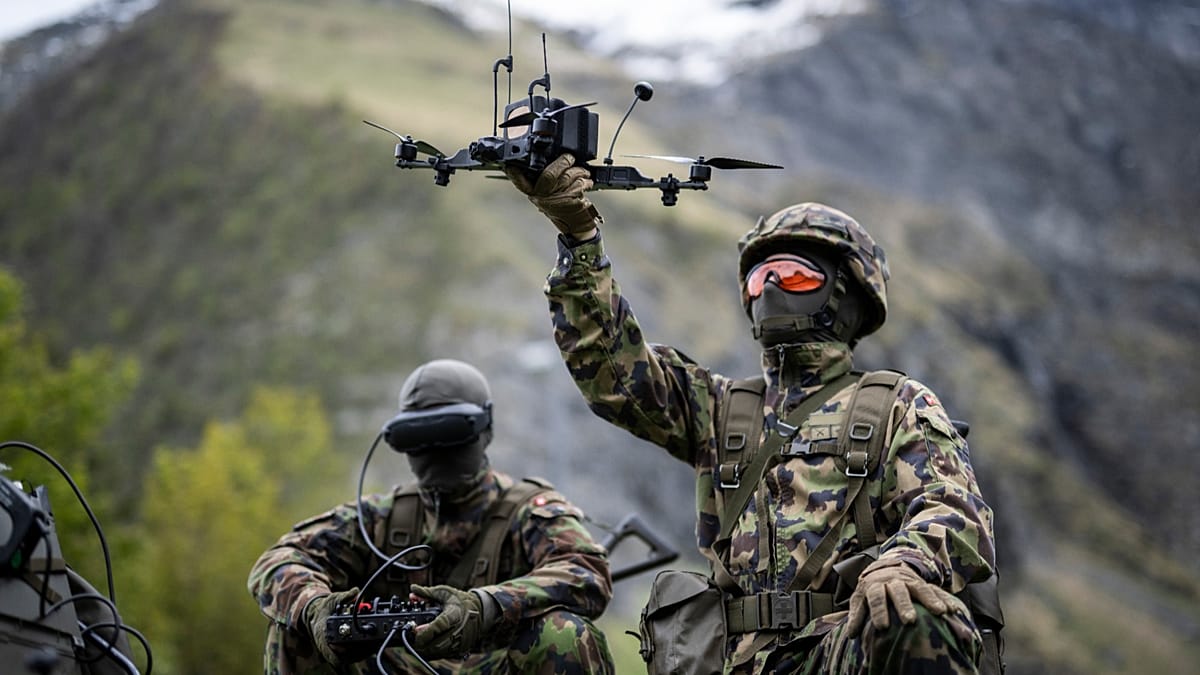
Switzerland has announced plans to establish a dedicated military drone battalion by 2028, a move that reflects the broader rearmament and modernisation push across Europe. The defence ministry in Bern said the new unit would be tasked with reconnaissance, operational support and counter-drone defence, and would be backed by a specialised recruitment and training programme.
“From 2028, the army will deploy its own drone battalion for reconnaissance, operations and defence,” the ministry said in a statement on Thursday. The announcement comes as European nations, including traditionally neutral ones, reassess their defence postures in the wake of Russia’s war in Ukraine and the growing use of drones in modern conflict.
A new centre for drone technology
Alongside the battalion, the ministry outlined plans for a civilian-military centre for drones and robotics, which would combine a technology hub with a military command structure. The aim, according to the statement, is to “jointly develop, test and quickly make usable for military use” new solutions. This dual-use approach is intended to leverage Switzerland’s strong civilian tech sector, particularly in robotics and artificial intelligence, while ensuring that military needs are met efficiently.
The defence ministry described drones, counter-drone systems and robotics as a “strategic priority” for the landlocked Alpine country. It noted an increase in the number of unauthorised drone flights spotted over military installations and critical infrastructure, prompting the need for robust defensive measures. Switzerland has already introduced its first system for drone defence, and the new battalion will build on that capability.
Switzerland’s long-standing policy of armed neutrality remains intact, but the country has been modernising its forces to address contemporary threats. Mandatory conscription for men continues, providing a steady stream of recruits, some of whom may be trained for the new drone unit. The decision also aligns with a wider European trend: several NATO members and EU states have increased defence spending and accelerated procurement of unmanned systems since 2022.
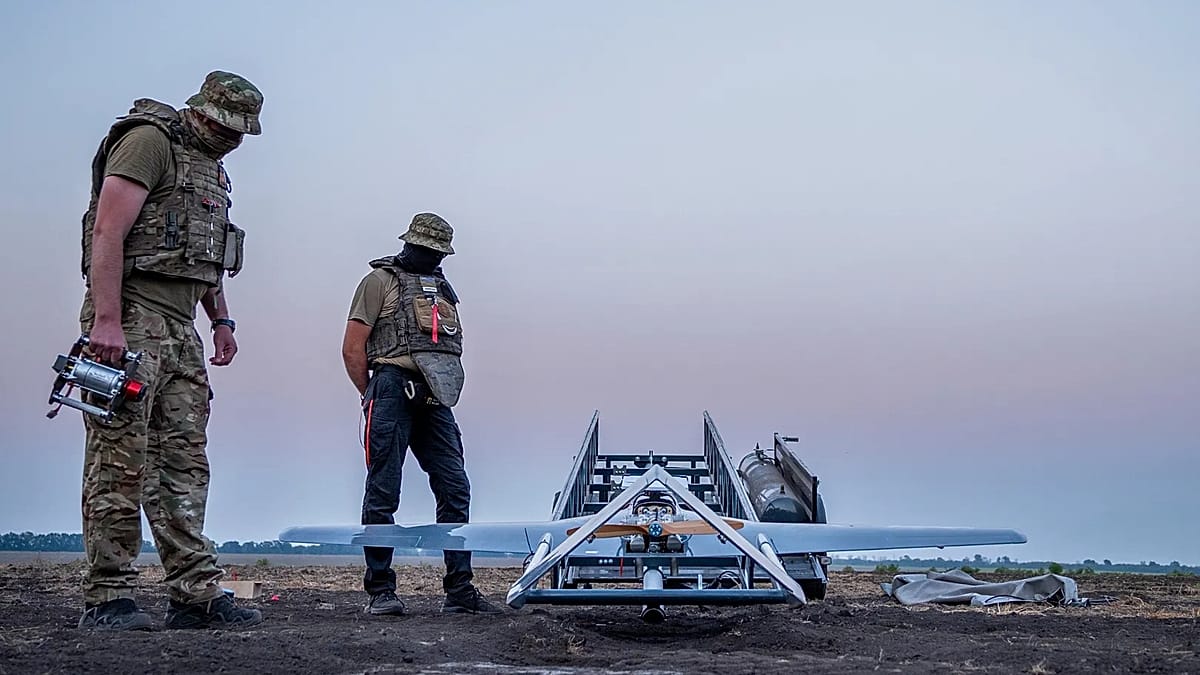
The use of drones in conflicts has expanded dramatically, from surveillance and intelligence-gathering to precision strikes, often assisted by AI. European defence firms, such as Italy’s Leonardo, have been quick to adapt, with Leonardo setting up a unit in Kyiv to learn from Ukraine’s battlefield experience. Meanwhile, incidents like Russian drone strikes on Kyiv and an arson plot on a drone factory in Slovakia underscore the security challenges surrounding drone technology.
Switzerland’s move is also a response to the growing threat of hostile drone activity. The defence ministry said it had observed a rise in drone flights over sensitive sites, a trend seen across Europe. In Germany, for example, drones and suspected explosives were found near Leipzig/Halle Airport, highlighting the need for counter-drone capabilities.
The new battalion will be operational within four years, a relatively short timeline for a major military restructuring. The ministry said the specialised recruitment and training programme would ensure that personnel are ready to operate the advanced systems. The civilian-military centre is expected to foster innovation, with prototypes tested and fielded rapidly.
Switzerland’s defence budget has been under pressure, but the government has signalled that investment in drones and robotics is a priority. The country’s geography—mountainous and landlocked—makes drones particularly useful for surveillance of borders and critical infrastructure. The new battalion will likely be stationed in central Switzerland, though the ministry did not specify locations.
As Europe’s security environment evolves, Switzerland’s decision to embrace drone technology while maintaining its neutrality is a balancing act. The country is not a member of NATO, but it cooperates with the alliance on various defence projects. The drone battalion will enhance its ability to protect its airspace and respond to asymmetric threats, without compromising its traditional stance.
Analysts see the move as part of a broader European effort to bolster defence capabilities. The EU has recently boosted maritime defence spending to record levels, and many countries are investing in unmanned systems. Switzerland’s initiative adds to this momentum, signalling that even neutral states are adapting to the new realities of warfare.