The 1990s in Britain were a peculiar window: the last stretch of time before smartphones, social media, and constant connectivity rewired daily life. It was a decade marked by a heady mix of optimism and defiance, where youth culture felt both urgent and unscripted. That chaotic energy is now the subject of a major exhibition at Tate Britain in London, ‘The 90s: Art and Fashion’, running until 14 February 2027.
The show brings together more than 100 objects, ranging from the confessional installations of Tracey Emin to the punk-inflected couture of Vivienne Westwood, and early short films by the Oscar-winning director Steve McQueen. It is a deliberately broad sweep, reflecting how art, fashion, music, and club culture bled into one another in a pre-internet era when subcultures still formed in physical spaces—warehouses, squats, and high-street record shops.
A curator with a insider's eye
The exhibition is curated by Edward Enninful, the former editor-in-chief of British Vogue, whose own career took off in the 1990s. Enninful has described the decade as a time when style was not just about clothes but about identity and belonging. His curatorial approach treats the era as a living archive, mixing gallery pieces with magazine spreads, music videos, and club flyers to evoke the sensory overload of the time.
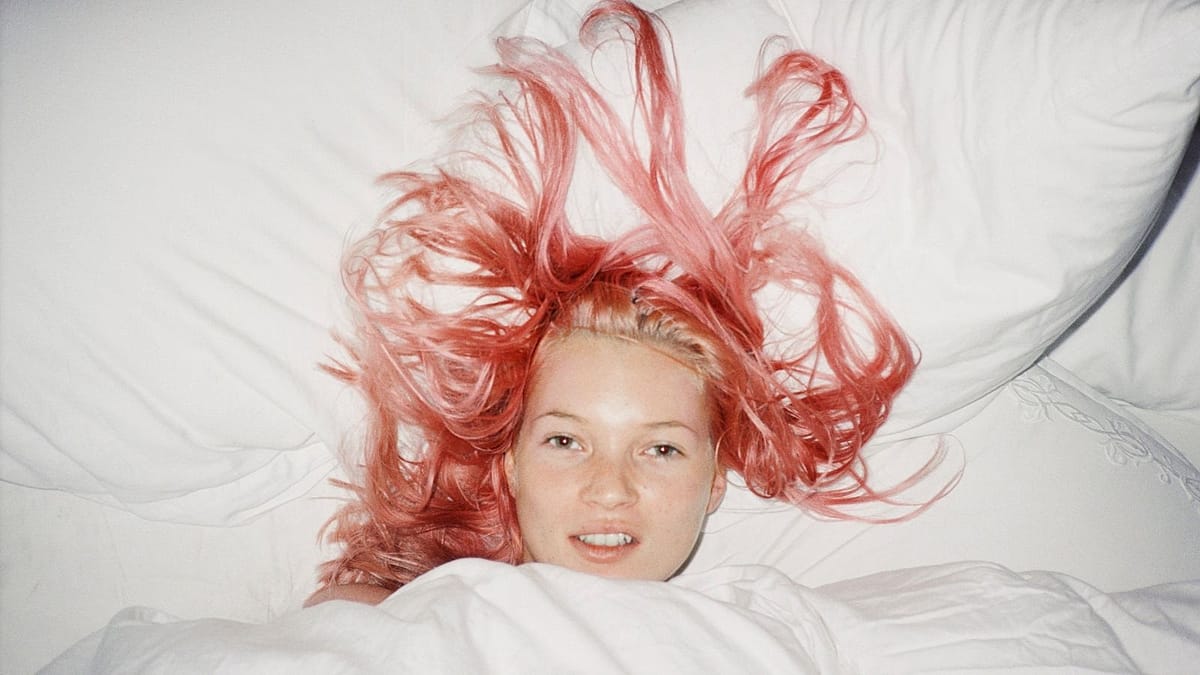
Visitors are invited to imagine themselves flipping through a glossy magazine in a bedroom, the images shaping not only personal taste but also broader cultural attitudes. It is a reminder of a time when media was more tactile, and influence was built through print and word of mouth rather than algorithms.
Art and fashion in dialogue
The exhibition is structured around the intersections between visual art and fashion, two fields that in Britain during the 90s were unusually close. Designers like Alexander McQueen and John Galliano drew on art history and street culture, while artists like Damien Hirst and Sarah Lucas embraced the shock tactics of the Young British Artists movement. The show includes iconic pieces such as Emin's My Bed and Westwood's platform boots, alongside less familiar works that reveal the decade's diversity.
Steve McQueen's early films, including Bear (1993), are shown in a dedicated space, highlighting his interest in the body and power dynamics—themes that would later define his feature films. The inclusion of McQueen underscores how the 90s were a launching pad for many who would become major international figures.
The exhibition also touches on the political backdrop: the end of the Cold War, the rise of Britpop, and the election of New Labour in 1997. It was a moment when British culture felt both insular and globally influential, a tension that the show captures through its mix of the local and the international.
For those who lived through the decade, the exhibition is a nostalgia trip; for younger visitors, it offers a glimpse of a world before the digital deluge. As Enninful notes in the exhibition catalogue, the 90s were “a time when we were still discovering things by accident.” That sense of discovery is palpable throughout the galleries.
‘The 90s: Art and Fashion’ is on view at Tate Britain, London, until 14 February 2027. It is a timely reflection on a decade that, in hindsight, was the last gasp of a more analog, and arguably more adventurous, era of British creativity.