At 6:29 a.m. local time, a piercing siren cut through the morning calm in Tel Aviv, as it did in cities and towns across Israel, to mark the third anniversary of the October 7 attacks. For one minute, traffic halted, pedestrians stood still, and the nation paused to remember the more than 1,200 people killed and the 250 others taken hostage by Hamas-led militants in the deadliest assault in Israel's history.
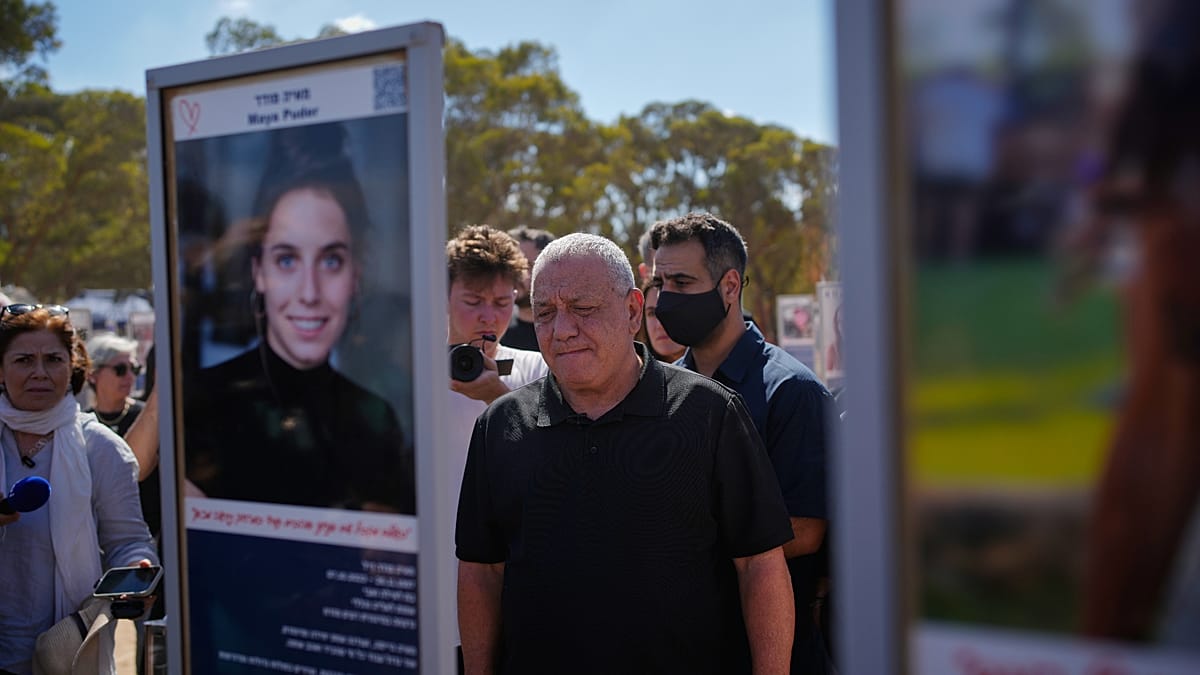
The commemorations come amid an ongoing war in Gaza and escalating tensions with Hezbollah in Lebanon, casting a somber shadow over the anniversary. In Tel Aviv, families of victims and survivors gathered at Hostages Square, where photographs of those still held in captivity were displayed alongside candles and flowers. Many attendees wore black, and some held signs demanding a deal to secure the release of the remaining hostages.
A nation in mourning, a region on edge
Prime Minister Benjamin Netanyahu, who has faced renewed scrutiny over the intelligence failures that preceded the attack, issued a statement vowing to continue military operations until all objectives are achieved. "We will not rest until every hostage is returned and every threat is neutralized," he said, a message that resonated with some but drew criticism from others who accuse his government of prioritizing political survival over national unity.
The anniversary also comes at a time of deep division within Israeli society, with protests against the government's judicial overhaul and its handling of the war continuing to simmer. In a sign of the emotional weight of the day, President Isaac Herzog spoke at a ceremony in Jerusalem, urging citizens to find common ground. "Our strength lies in our ability to mourn together, to remember together, and to rebuild together," he said.
Across Europe, the anniversary has prompted reflection on the broader implications for the continent. European leaders, including European Commission President Ursula von der Leyen, expressed solidarity with Israel while reiterating calls for a ceasefire and a two-state solution. In Brussels, the European Parliament held a minute of silence, and several member states, including Germany and France, organized vigils outside their parliaments.
The conflict has also fueled a rise in antisemitic incidents across Europe, prompting governments to step up security at Jewish community centers and synagogues. In Berlin, police deployed additional officers around the Memorial to the Murdered Jews of Europe, where a small crowd gathered to lay wreaths. In Paris, a ceremony at the Mémorial de la Shoah drew hundreds, including survivors of the Holocaust who drew parallels between past and present.
For many Europeans, the anniversary is a reminder of the continent's own history of communal violence and the fragility of peace. As one mourner in Tel Aviv told European Pulse, "We are not just remembering the dead; we are fighting for the living." The sentiment echoes across a region that has seen its share of conflict, from the Balkans to the Caucasus.
The day's events also highlighted the ongoing plight of the hostages. The Hostage and Missing Families Forum released new footage of a young woman who was kidnapped from the Nova music festival, urging the international community to pressure Hamas for her release. "Every day is October 7 for them," said a spokesperson. "We cannot let the world forget."
As the sun set over Tel Aviv, thousands gathered again for a candlelight vigil on the beach, where the names of the fallen were read aloud. The ceremony, which lasted into the night, was a testament to the enduring grief and resilience of a nation still grappling with the aftermath of that dark day.
For Europe, the anniversary serves as a stark reminder of the interconnectedness of global security. The war has disrupted energy supplies, fueled migration flows, and tested the unity of the European Union. As the continent watches the Middle East, the lessons of October 7 resonate far beyond Israel's borders.