Fighting in northern Ethiopia has intensified over the past week, reviving fears of a return to the devastating 2020–2022 conflict that claimed an estimated 600,000 lives. The Tigray People's Liberation Front (TPLF) has launched offensives into the neighboring regions of Afar and Amhara, describing its actions as a “defensive war” against Prime Minister Abiy Ahmed's government.
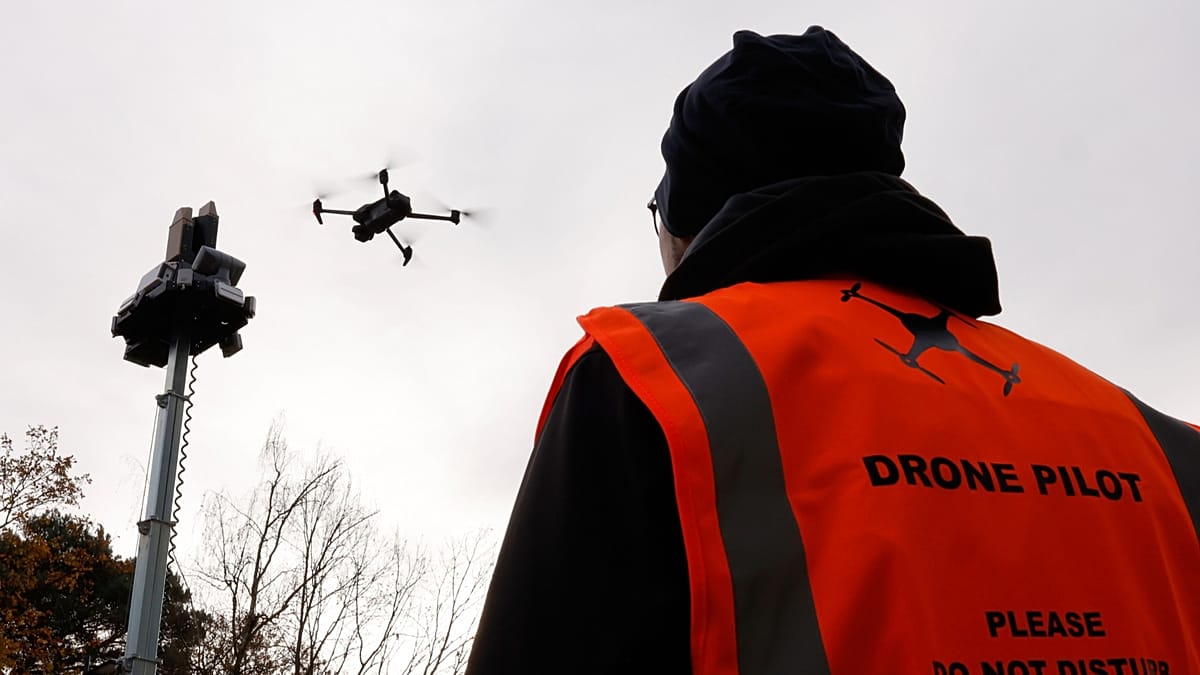
On Sunday, a drone strike hit the headquarters of Tigrai TV in Mekelle, the regional capital, according to local reports. Communications have been severely disrupted since Friday, with phone and internet services largely cut off in Tigray, hampering independent reporting and raising concerns among residents about a repeat of the blockade imposed during the previous war, when electricity, banking, and humanitarian aid were all halted.
Rebel advance threatens key trade corridor
The TPLF has captured the town of Erebti in Afar after heavy artillery bombardment, and is now advancing toward Afdeera, roughly 100 kilometers to the east. A humanitarian source told European Pulse that at least 150,000 people have been displaced in Afar alone, though precise numbers remain impossible to verify.
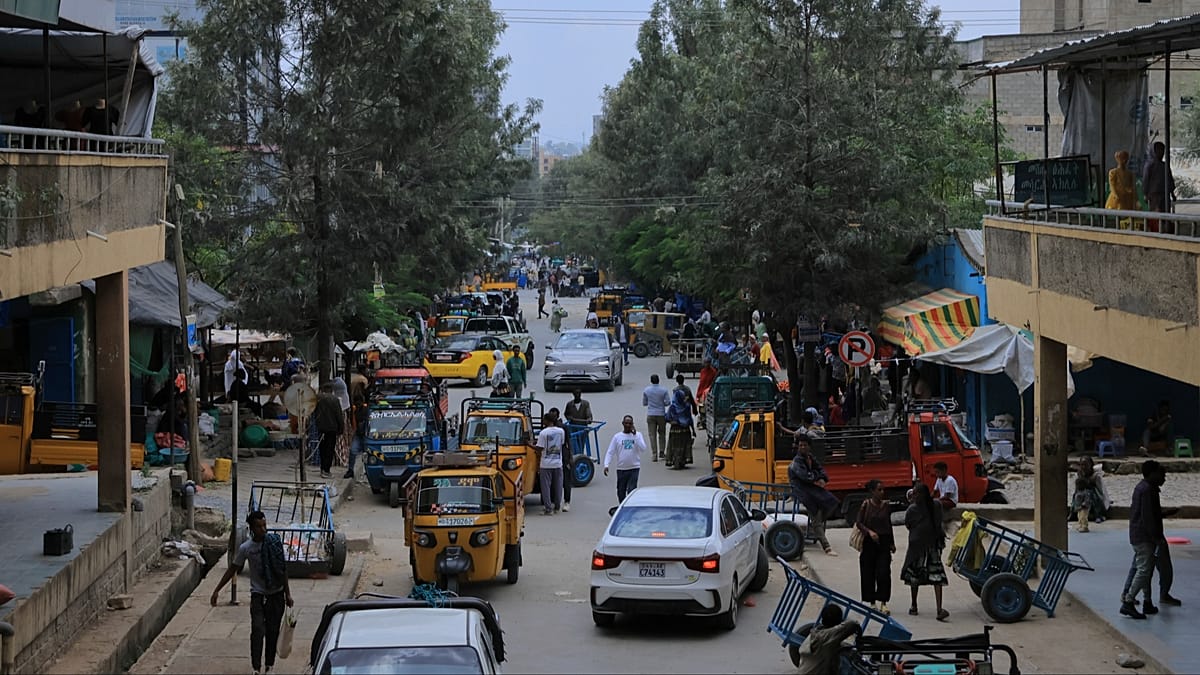
The offensive appears aimed at cutting the Djibouti corridor, through which nearly all of Ethiopia's international trade—including fuel—flows. Control of this route would give the rebels significant leverage over the federal government, potentially strangling its economy and military supply lines.
“With an uptake in fighting in Ethiopia, we see the risk to civilians spreading at a time when diplomatic attention and scrutiny of the situation have reduced, given the broader dynamics and catastrophes throughout the region as well,” said Laetitia Bader, deputy director of the Africa division at Human Rights Watch. “The region is already facing devastating human rights and humanitarian crises,” she added, pointing to Sudan's ongoing crisis as the world's largest humanitarian emergency.
Ethiopia points finger at neighbors
Ethiopia's army chief, Field Marshal Birhanu Jula, accused Egypt, Eritrea, and Sudan of backing armed groups fighting government troops. Speaking on the army's YouTube channel, he said, “We are fighting forces that are organised and allied to serve the interests of external forces.” He added that neither Eritrea nor the TPLF could achieve anything alone without support from Sudan, Egypt, and other external powers.
Sudan's military categorically rejected the allegations, calling them baseless and reaffirming its commitment to international law and good-neighborly relations. The TPLF has forged an alliance with six other armed groups, including Amhara nationalist Fano militias—who previously fought alongside federal forces—and the Oromo Liberation Army, forming the Ethiopian Peoples' Forces Alliance for Survival. Together, they aim to overthrow Abiy's government and install a transitional administration.
The TPLF ruled Ethiopia from 1991 until Abiy came to power in 2018, a transition that eventually led to the 2020 war. The Pretoria Peace Agreement ended that conflict but left an uneasy calm that shattered in late 2025. In the current round, rebels appear to be repeating their previous strategy of pushing south through Amhara toward Addis Ababa, while also targeting the Djibouti corridor.
Federal government sees manageable challenge
Dr. Jalale Getachew Birru, East Africa Senior Analyst at ACLED, told European Pulse that the federal government currently views the renewed fighting as a manageable challenge. “Its crucial trade and supply corridor through Djibouti remains open, while government forces have regained ground in and around Sekota in Wag Hamera zone and Alamata in Southern Tigray zone,” she said.
However, she warned that the TPLF's advance into Afar, in collaboration with the Ugugumo militia, could change that calculation if it threatens the Semera-Djibouti route. “Disrupting the corridor would also risk antagonising Djibouti, an important regional partner that does not have a relationship with the emerging anti-government alliance,” she added.
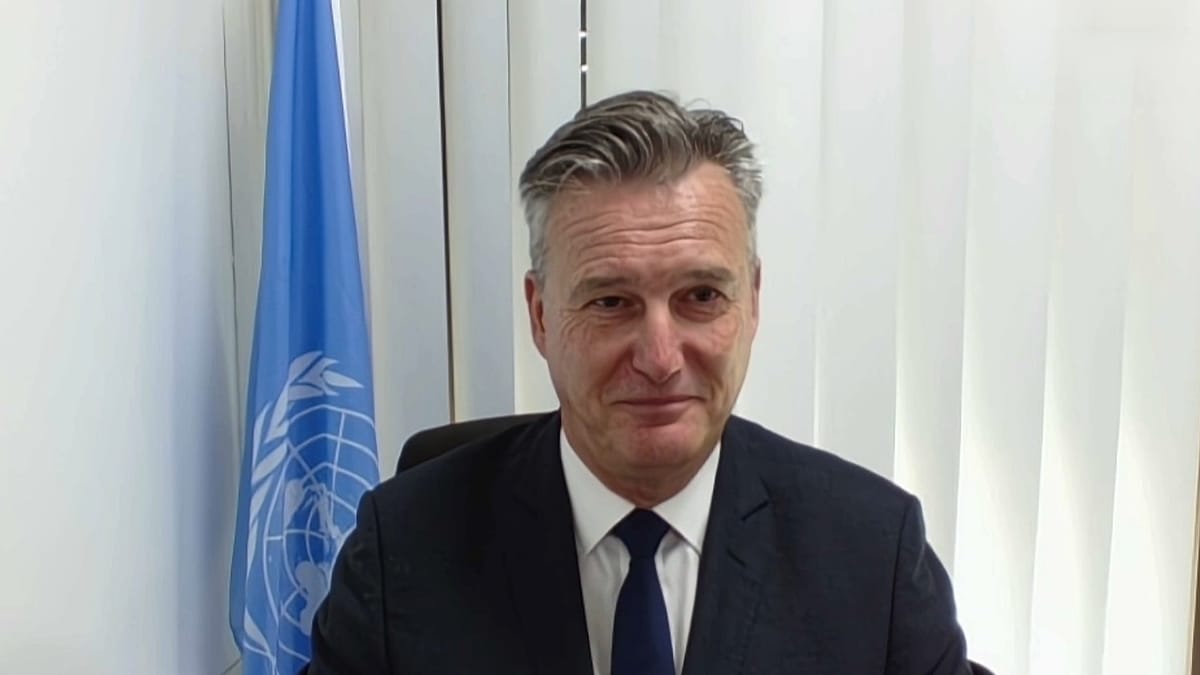
The United Nations expressed deep concern over reports of drone use and civilian harm. UN Secretary-General António Guterres' spokesman, Stéphane Dujarric, said the UN was “particularly troubled” by these developments. The African Union called for “utmost restraint and immediate cessation of all actions that could further escalate tensions,” urging a resumption of talks under the Pretoria Agreement.
Meanwhile, thousands of Ethiopian Orthodox Christians gathered in Addis Ababa to celebrate Meskel, an annual festival marking the discovery of the True Cross. In his message, Prime Minister Abiy called for national unity, urging Ethiopians to foster “a great national strength.”