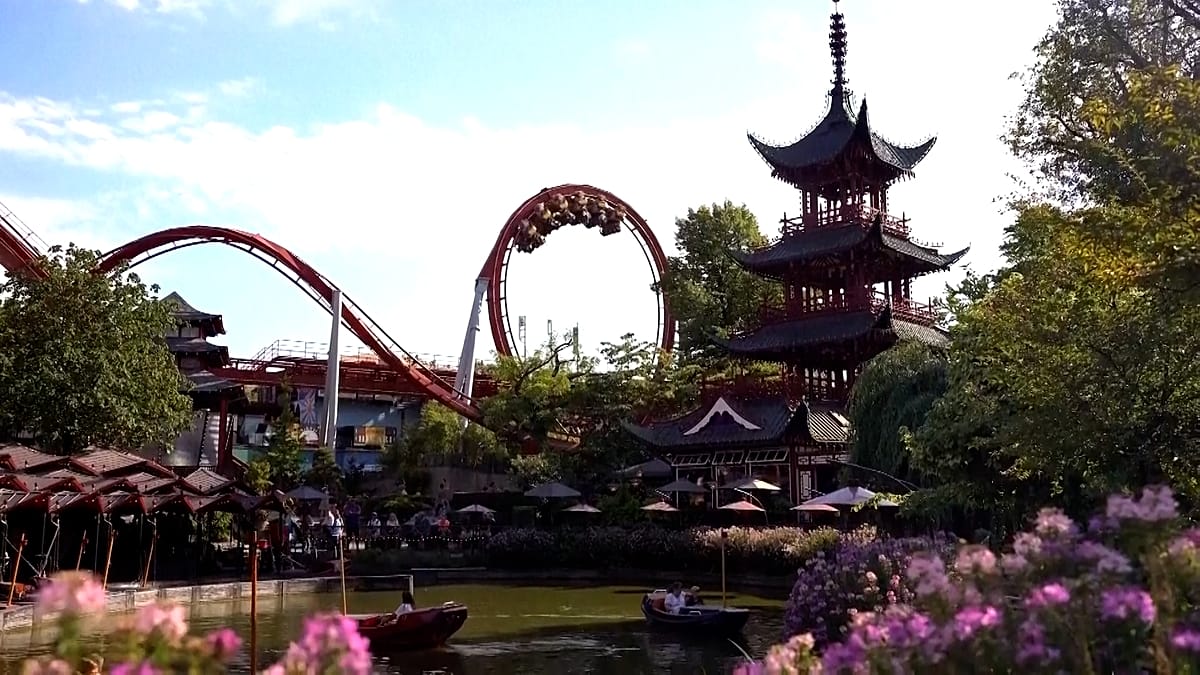
Copenhagen's Tivoli Gardens, one of Europe's oldest amusement parks, has unveiled a new illuminated district called Hikari, where neon lights and traditional lanterns now cast a warm glow over the grounds. The installation, which opened this week, transforms a section of the park into a contemporary light art experience, blending Japanese-inspired aesthetics with the park's historic charm.
A new chapter in Tivoli's long history
Tivoli, which first opened its gates in 1843, has long been known for its evening illuminations, from fairy lights to elaborate seasonal displays. Hikari—Japanese for "light"—marks a deliberate step toward modernizing that tradition. The new area features a series of neon sculptures, hanging lanterns, and interactive light installations that respond to movement, creating an immersive environment for visitors after dark.
According to park officials, Hikari was designed to appeal to both international tourists and local Copenhageners seeking a fresh evening experience. "We wanted to create something that feels both timeless and contemporary," said Tivoli's creative director, Mette Korsgaard, in a statement. "The lanterns evoke a sense of calm and tradition, while the neon adds an urban, almost futuristic energy. It's a dialogue between old and new."
The installation is part of a broader trend across European cities, where historic venues are increasingly turning to light art to extend their appeal into the darker months. Similar projects have drawn crowds in Amsterdam, Berlin, and Lyon, where annual light festivals have become major cultural events. Tivoli's Hikari, however, is a permanent addition rather than a temporary exhibition, signaling a long-term commitment to this artistic direction.
Visitors can wander through the Hikari district along a winding path that leads past a series of themed zones. One area mimics a Japanese garden, with paper lanterns hanging from cherry blossom trees, while another features a grid of neon tubes that pulse in sync with a subtle electronic soundtrack. The centerpiece is a large, glowing orb that changes color based on the time of night, drawing queues of photographers eager to capture its shifting hues.
The timing of the launch is strategic. With autumn settling over Scandinavia and daylight hours shrinking, Tivoli is positioning Hikari as a reason to visit during the off-peak season. The park has also extended its evening hours on weekends, hoping to attract both families and younger crowds who might otherwise head to Copenhagen's bars and clubs.
Local reaction has been largely positive. Early visitors praised the installation for its originality, though some noted that the neon elements can feel stark compared to the park's more traditional decorations. "It's a bold move," said Lars Andersen, a Copenhagen resident who visited on opening night. "Tivoli is so associated with nostalgia, but this feels like a step forward. It's not trying to be something it isn't."
For travelers planning a trip to Denmark, the new attraction adds another reason to include Tivoli in an itinerary. The park sits in the heart of Copenhagen, just a short walk from the central station, making it an easy stop for those exploring the city. Those looking to combine the visit with other seasonal activities might also consider northern lights trips further north, though the neon glow of Hikari offers a more accessible, urban alternative.
Hikari is included in the standard Tivoli admission ticket, and the park has announced plans to rotate some of the installations seasonally, keeping the experience fresh for repeat visitors. The first rotation is expected in early 2026, with new artists and designers invited to contribute.
As European amusement parks face increasing competition from digital entertainment and immersive experiences, Tivoli's investment in light art reflects a broader effort to remain relevant. The park has also recently upgraded its dining options and added new rides, but Hikari is the most visible sign yet of its ambition to blend heritage with innovation.
Whether Hikari will become as iconic as Tivoli's famous pantomime theater or its wooden roller coaster remains to be seen. But for now, the glow of its lanterns and neon tubes offers a new reason to linger in Copenhagen after sunset.