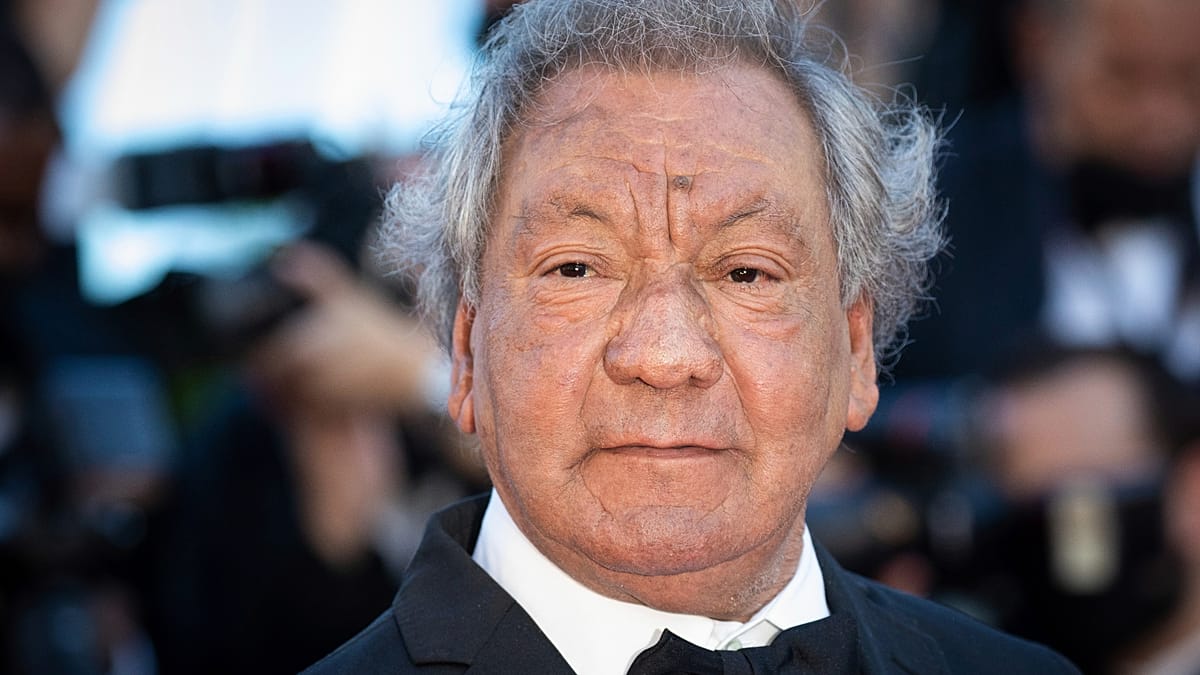
Tony Gatlif, the French-Algerian filmmaker whose work celebrated Romani culture and the lives of Europe's margins, has died at the age of 77. He passed away following a health problem while working on a historical film project in Arles, in the south of France.
France's culture minister, Catherine Pégard, paid tribute on social media, writing that Gatlif "had a taste for taking the back roads, for fading borders, for lives we pay far too little attention to." His death marks the loss of a singular voice in European cinema, one that consistently turned its lens on communities often overlooked by mainstream storytelling.
A life shaped by displacement
Born Michel Dahamani on 10 September 1948 to a Kabyle father and a Gypsy mother, Gatlif's early life was marked by the very borders he would later explore in his art. As a boy of around twelve, during a police check, he changed his name to avoid being sent back to Algeria, choosing Gatlif after a park in Algiers. After a spell in a reform school, he was sent to the Camargue region in southern France, an experience that would profoundly shape his worldview.
In a 2021 interview with AFP, Gatlif reflected on that formative period: "I fought a battle against my destiny, against myself, and that is no small thing. From the moment I set foot in the Camargue, I began to listen, and that has to do with the respect with which people spoke to me, without prejudice."
A career devoted to Romani stories
Over a career spanning five decades, Gatlif directed 25 films, often weaving flamenco and Romani music into his narratives. His 1997 film Gadjo Dilo, starring Romain Duris, became a touchstone for European audiences, telling the story of a young Frenchman who travels to Romania to find a singer and becomes immersed in a Romani community. In 2004, Exils won the best director prize at the Cannes Film Festival, cementing his reputation as a filmmaker of international stature.
His work consistently explored themes of identity, exile, and the resilience of marginalized peoples. Gatlif's films often featured non-professional actors and drew on the traditions of the communities he depicted, giving his work an authenticity that resonated far beyond France.
His death comes at a time when Europe is grappling with questions of migration, identity, and belonging—themes that were central to Gatlif's oeuvre. His films serve as a reminder of the continent's rich cultural diversity and the importance of listening to voices that are often silenced.
Gatlif's legacy will endure through his films, which remain a vital part of European cinema. As tributes pour in from across the continent, his work continues to inspire a new generation of filmmakers and audiences alike.