Choosing to travel alone is a bold step, and for those who have already embraced solo journeys, the next question is where to go for a genuine adventure. A new ranking from Much Better Adventures, a tour operator specializing in active trips, has evaluated destinations across Europe based on safety (using the Global Peace Index), average meal costs, biodiversity, and the number of hiking routes, combined with expert insight and booking trends. Here are the top picks for solo adventurers in 2025.
Italy: Beyond the Beaches
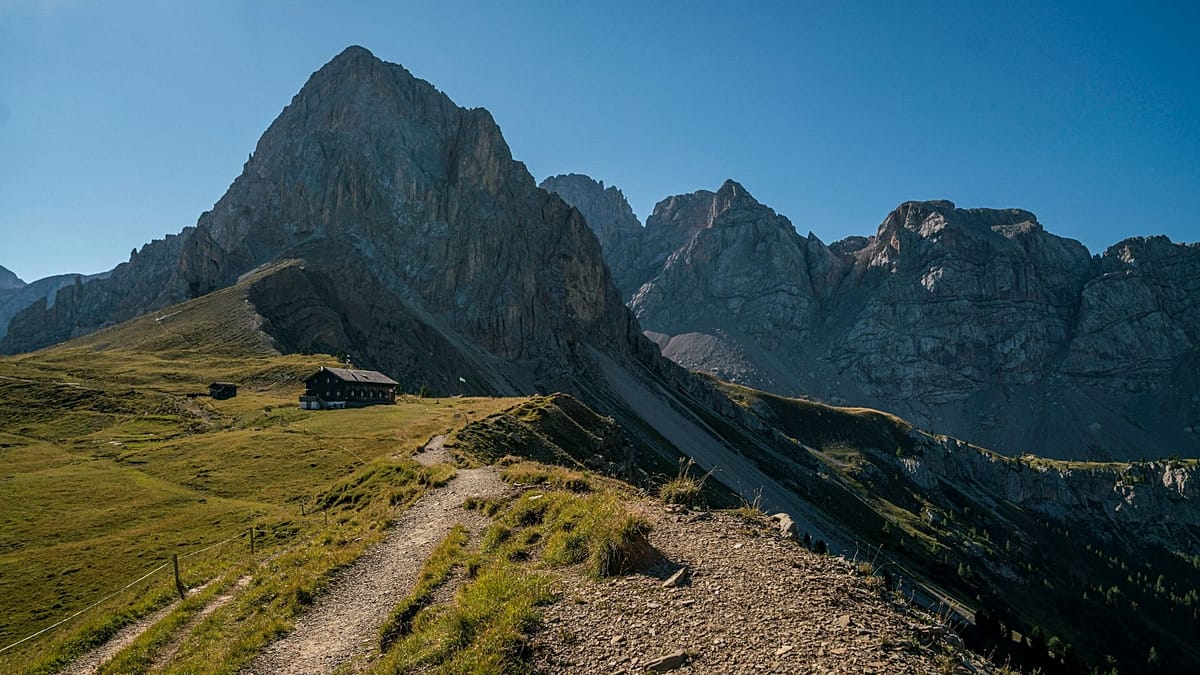
While many associate Italy with coastal relaxation, its inland landscapes offer serious adventure. The Dolomites, a UNESCO World Heritage site, are a magnet for hikers. The 125-kilometre Alta Via 1 trail, which connects mountain huts (rifugi), is a classic multi-day trek. For those seeking a thrill, the region's via ferratas — protected climbing routes equipped with steel cables and ladders — provide a safe way to experience vertical terrain. Routes can be found on hiking apps or in Cicerone guidebooks, and many tour operators offer guided group hikes, meaning solo travellers can join without being alone.
Wildlife enthusiasts should head to the Apennines. In the Abruzzo, Lazio and Molise National Park, it is possible to spot Marsican brown bears, wolves, chamois, and other species in their natural habitat. This park is one of Europe's lesser-known biodiversity hotspots, offering a quieter alternative to the more crowded Alpine regions.
Portugal: Archipelago Adventures
Portugal's mainland beaches are well known, but its Atlantic archipelagos — the Azores and Madeira — are where adventure truly thrives. In the Azores, hiking trails of varying difficulty crisscross volcanic landscapes, with official routes listed on the Visit Azores website. The islands are also a prime spot for whale watching, with species such as sperm whales and blue whales passing through, and for scuba diving in clear, nutrient-rich waters.
Madeira, meanwhile, offers a network of levada trails (irrigation channels) that wind through lush forests and along cliffs. For adrenaline seekers, canyoning and coasteering — traversing rocky coastlines by swimming, climbing, and jumping — are popular activities. Both archipelagos benefit from a low crime rate and a welcoming attitude toward solo travellers, making them safe choices for independent exploration.
Spain: Hidden Trails Beyond the Crowds
Spain's overtourism problem is concentrated: in 2025, 90% of the country's 96.8 million visitors went to just six of its 17 autonomous regions, according to the National Statistics Institute. This leaves vast areas under-visited and ripe for adventure. The Camino de Santiago is the most famous long-distance trail, but alternatives abound. The Caminito del Rey, once dubbed the world's most dangerous walkway, has been carefully restored and now offers a safe, vertiginous path through a gorge in Málaga. The Garganta de los Infiernos (Gorge of Hell) in the Jerte Valley provides a stunning hike past waterfalls and natural pools. Along the Costa Brava, the Camí de Ronda follows the shoreline, offering coastal views and access to hidden coves.
For solo travellers, Spain's well-established network of albergues (hostels) and refugios on the Camino and other trails makes it easy to meet fellow hikers while maintaining independence.
Norway: Winter Wilderness
Norway in winter is a playground for those who embrace cold and snow. Activities range from snowmobiling and dog sledding to snowshoeing and cross-country skiing. For a deeper immersion, guided bushcraft courses teach survival skills such as building shelters, making fire, and navigating in snow-covered terrain. The country's allemannsrett (right to roam) allows camping on uncultivated land, though solo travellers should be well-prepared for extreme conditions. The northern regions, including Tromsø and the Lofoten Islands, offer opportunities to see the Northern Lights while engaging in active pursuits.
These four destinations — Italy, Portugal, Spain, and Norway — represent a range of adventure styles, from mountain hiking to marine wildlife to winter survival. Each has been assessed for safety and affordability, making them viable options for solo travellers who want to push their boundaries without compromising on security. For those planning a trip, it is worth checking the latest travel advisories and booking accommodations in advance, especially during peak seasons. As the travel industry adapts to new trends, such as the rise of 'hushpitality' and 'inheritourism', solo adventure travel continues to grow, offering Europeans a chance to explore their own continent with confidence.