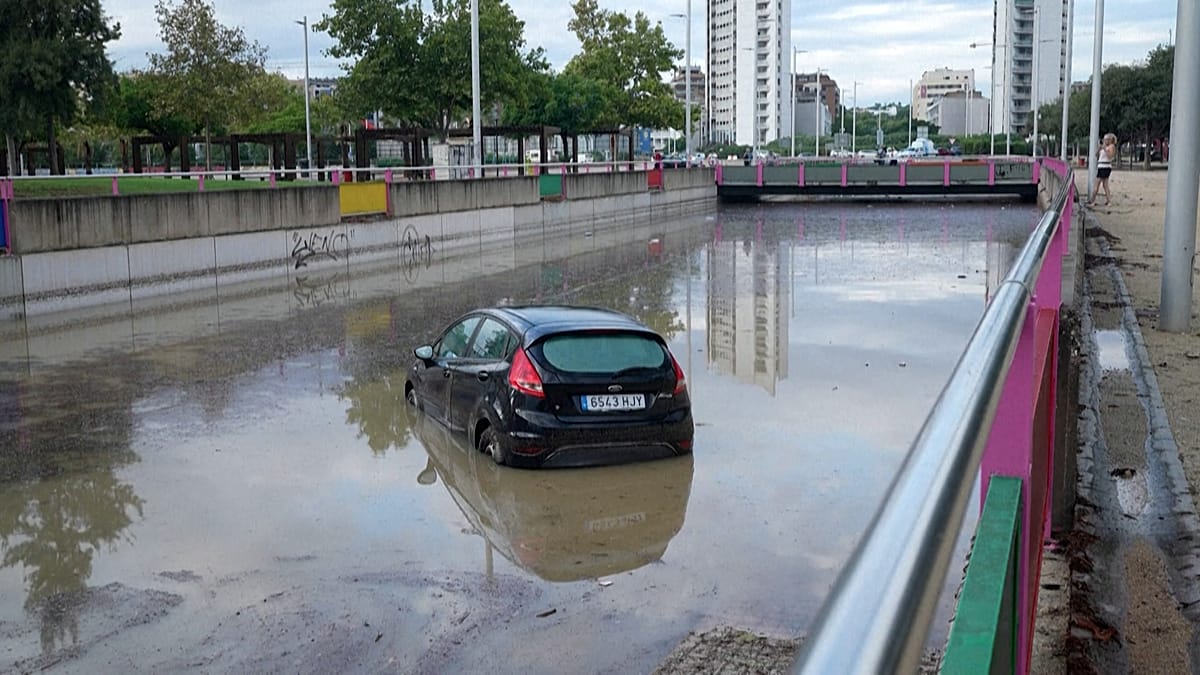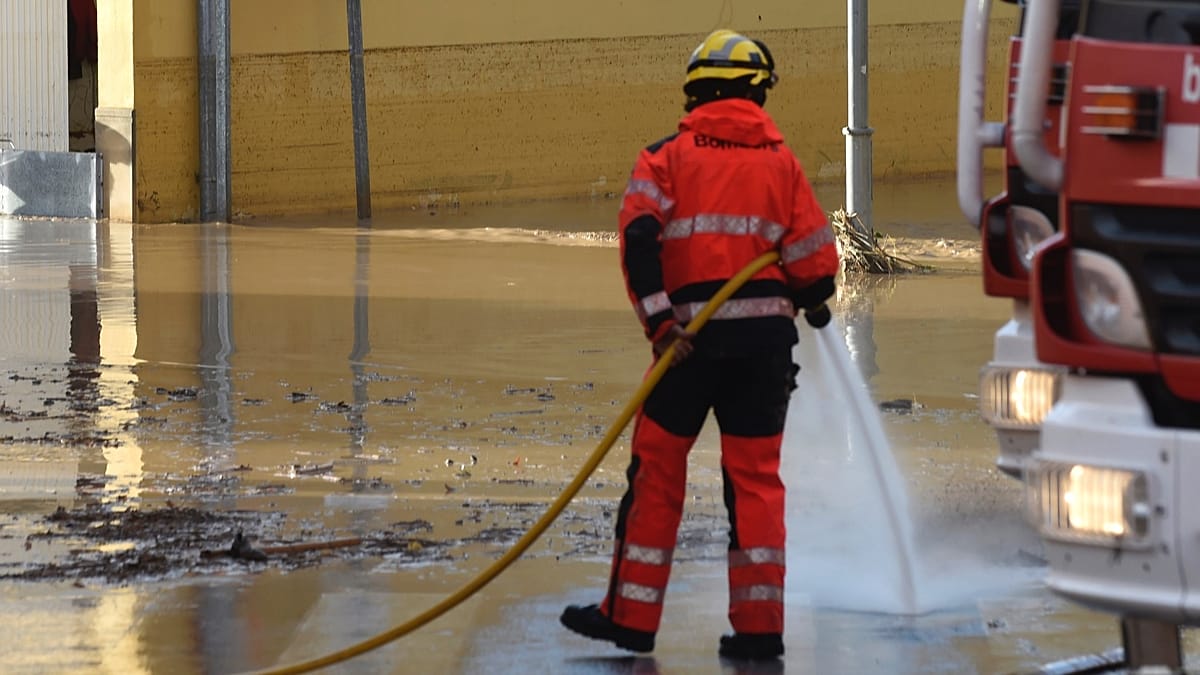
Severe storms lashed eastern Spain on 17 September, turning streets into rivers and disrupting daily life across Valencia and Catalonia. The torrential downpour claimed at least one life: a driver who was trapped in a vehicle as floodwaters rose. Emergency services in the region confirmed the death, though further details were not immediately released.
Flooded cities and stranded motorists
In Valencia, the city's iconic Plaza del Ayuntamiento was submerged under a layer of water, and cars were seen floating down avenues. Similar scenes unfolded in Catalonia, particularly in coastal towns such as Tarragona and the surrounding areas. Local authorities reported dozens of rescues as people became trapped in their vehicles or homes.
The Spanish meteorological agency, AEMET, issued its highest-level red alerts for parts of the Valencian Community and Catalonia, warning of rainfall exceeding 100 litres per square metre in a short period. The storms were part of a broader weather system that has been affecting the western Mediterranean, bringing unseasonably heavy rain to a region more accustomed to dry autumns.
Transport chaos and school closures
Roads were closed across the affected areas, and several motorways were blocked by debris and standing water. Rail services were severely disrupted, with Renfe suspending multiple regional lines and high-speed services between Valencia and Madrid experiencing delays. In Barcelona, the metro and commuter trains ran with reduced frequency, and some stations were closed due to flooding.
Schools in the worst-hit municipalities were shut for the day, and residents were advised to stay indoors. The Spanish government's delegation in the Valencian Community activated emergency protocols, coordinating with regional civil protection units.
The flooding comes as scientists increasingly link such extreme weather events to climate change. A recent study highlighted how climate change destabilises mountain regions, and similar patterns are being observed in Europe's own mountain ranges, such as the Pyrenees, which feed the rivers that burst their banks here.
Wider European context
Spain is not alone in facing such challenges. Across Europe, extreme rainfall events have become more frequent, prompting cities to rethink their infrastructure. In Germany, for example, Lidl has begun testing driverless electric trucks as part of a broader push towards sustainable logistics, but adapting to climate impacts remains a pressing concern for all member states.
The European Union has been working on a comprehensive strategy to improve flood resilience, but local authorities often bear the brunt of the immediate response. In Spain, the regional governments of Valencia and Catalonia have invested in flood defences in recent years, yet the sheer intensity of this downpour overwhelmed many systems.
As the waters recede, the focus will shift to recovery and to questions about how to better prepare for a future where such storms may become the norm. For now, residents are counting the cost, and the family of the deceased driver mourns a life cut short by a force of nature that respects no borders.