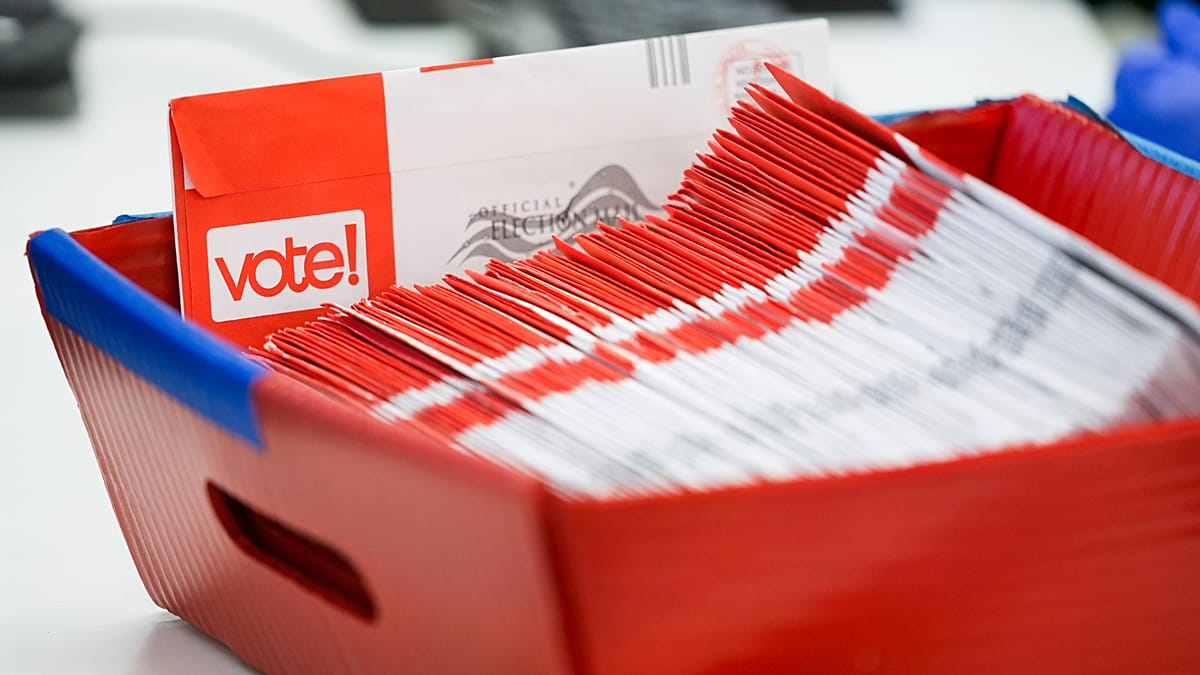
Voters in North Carolina began receiving their mail-in ballots on Friday, marking the first state to distribute ballots for the upcoming US midterm elections. The move comes as the Trump administration escalates its legal fight to restrict mail voting, filing an emergency request with the Supreme Court on Thursday to revive an executive order that would impose strict limits on the practice.
The administration's request seeks to overturn a lower court's block on the order, which was signed by President Trump in March. Trump has long argued that mail voting is vulnerable to fraud, a claim he has repeated since his 2020 election loss. According to researchers at States United, nearly a third of Americans voted by mail in the 2024 general election, accounting for more than 48 million votes.
The executive order would require states to submit lists of eligible voters through a federal portal and direct the US Postal Service to deliver ballots only to those on the approved lists. Democratic-led states have sued, arguing that the Constitution grants states, not the federal government, authority over election administration.
Last week, US District Judge Indira Talwani blocked the order, ruling that compliance was "practically impossible" given how close states are to sending out ballots. The Supreme Court has already weighed in once, temporarily lifting a separate lower-court block without ruling on the merits, leaving the practice in legal limbo as voting gets underway.
Adding to the pressure, a Postal Service whistleblower has warned that the technology behind the new voter-list portal was built in a rushed, error-prone manner, potentially causing millions of ballots to go undelivered. This warning has heightened concerns about the reliability of the system just as ballots begin reaching voters.
North Carolina election officials say they are pressing ahead regardless. The state's elections chief told reporters it remains "business as usual" as ballots are distributed, with other states, including Alabama, preparing to follow later this month.
High stakes for the midterms
The midterms will decide control of Congress for the remainder of Trump's term, and polls suggest Republicans face a real risk of losing their narrow House majority. A Democratic-controlled House would be positioned to block Trump's legislative agenda and has signaled it could pursue a third impeachment attempt against him.
This legal battle over mail voting is part of a broader pattern of election-related disputes in the United States. Similar controversies have emerged in Europe, where debates over electoral integrity and postal voting have also surfaced. For instance, Reform UK faces a police complaint over alleged illegal donations, highlighting that election finance and procedural issues are not unique to the US.
The Supreme Court's decision on the emergency request could have significant implications for how the November elections are conducted. If the order is revived, states would face the challenge of complying with new federal requirements in a very short timeframe, potentially disrupting the voting process for millions of Americans.
Observers note that the court's handling of this case will be closely watched, as it touches on fundamental questions about federal versus state authority in election administration. The outcome could set a precedent for future election cycles, both in the US and abroad.
As the legal proceedings continue, election officials in North Carolina and other states are moving forward with their plans, hoping to avoid disruptions. The situation remains fluid, with the Supreme Court expected to rule on the emergency request in the coming days.