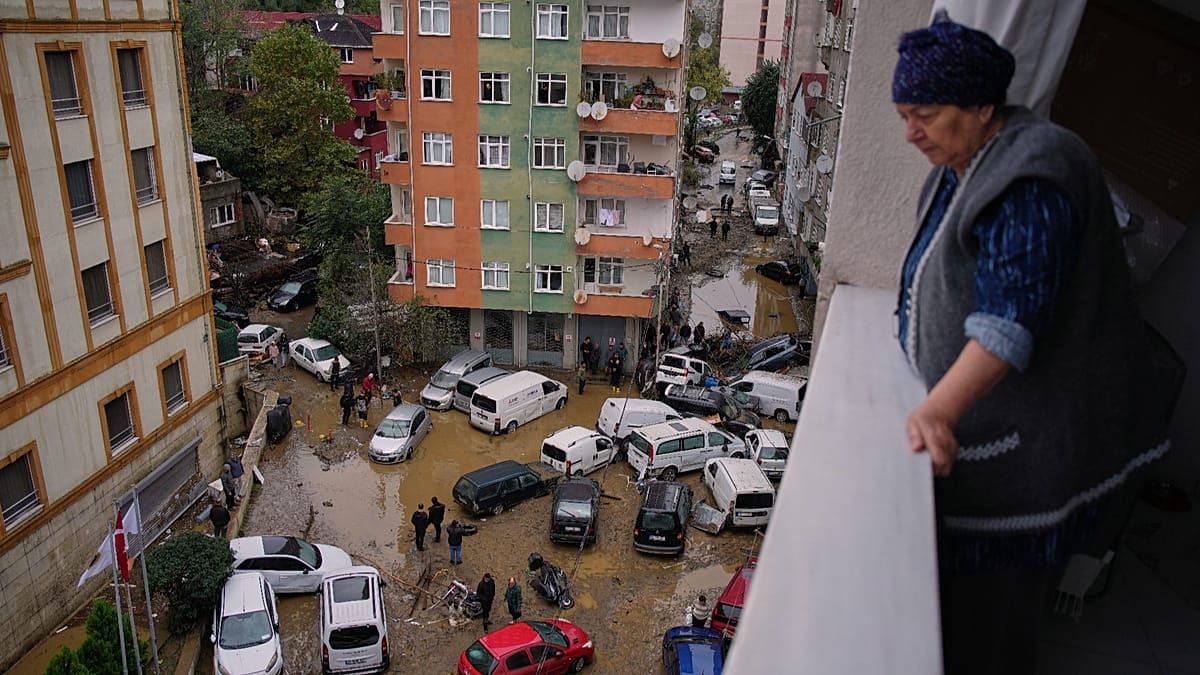
The death toll from the devastating floods that struck Istanbul last week has climbed to eight, as rescue teams recovered additional bodies from the aftermath of the heaviest rainfall the city has seen in over eight decades.
Istanbul Governor Davut Gül confirmed on Monday that six people died within the city limits, while the bodies of two others, who had been swept away from the neighbouring province of Kocaeli, were found on the southeastern outskirts of the metropolis. The victims from Kocaeli were discovered by search and rescue teams in the Pendik district, bringing the total number of confirmed fatalities to eight.
Wednesday's torrential downpour, which officials described as the most intense since records began in 1942, triggered flash floods that turned streets into raging rivers. Dramatic footage shared on social media showed cars being swept away and pedestrians struggling against the fast-moving water.
Search and recovery efforts
By Thursday, the governor had reported three deaths and five people missing, as emergency crews worked around the clock to pump out floodwaters and clear debris. Among the early victims was a 14-year-old boy who was electrocuted after stepping into a flooded puddle. A fourth body was recovered on Friday, and a fifth on Sunday from the Golden Horn estuary, according to the state-run Anadolu agency. Both were men.
On Monday, Gül's office announced that another man's body had been found near the Ayvansaray ferry pier on the Golden Horn. The man had been reported missing after the floods. "In Istanbul, a total of six people have died and one person is missing," Gül told reporters, adding that search efforts were continuing for one more individual.
The scale of the disaster is reflected in the damage reports. Authorities have received nearly 20,000 complaints related to property damage caused by the flooding. Gül detailed that approximately 2,000 homes and 900 businesses have suffered serious structural damage, leaving many residents displaced and local businesses struggling to recover.
"We experienced a disaster that generated around 19,300 reports, each with different types of problems," the governor said, underscoring the widespread impact on the city's infrastructure and housing.
The floods have also raised concerns about urban resilience in the face of increasingly extreme weather events. Istanbul, a city of over 15 million, has long grappled with inadequate drainage systems and unplanned construction, which experts say exacerbate the effects of heavy rainfall. This week's disaster echoes similar flooding events in other parts of Europe, such as the devastating floods in Santiago earlier this year, highlighting a broader pattern of climate-related challenges.
As the city begins the slow process of recovery, questions are being asked about the adequacy of preparedness measures. The Turkish government has pledged support for affected residents, but many are demanding more robust infrastructure investments to prevent a repeat of such destruction.
For now, the immediate focus remains on finding the last missing person and helping the thousands of families and business owners who have lost so much. The resilience of Istanbul's residents is being tested once again, as they dig out from under the mud and debris left by the historic storm.