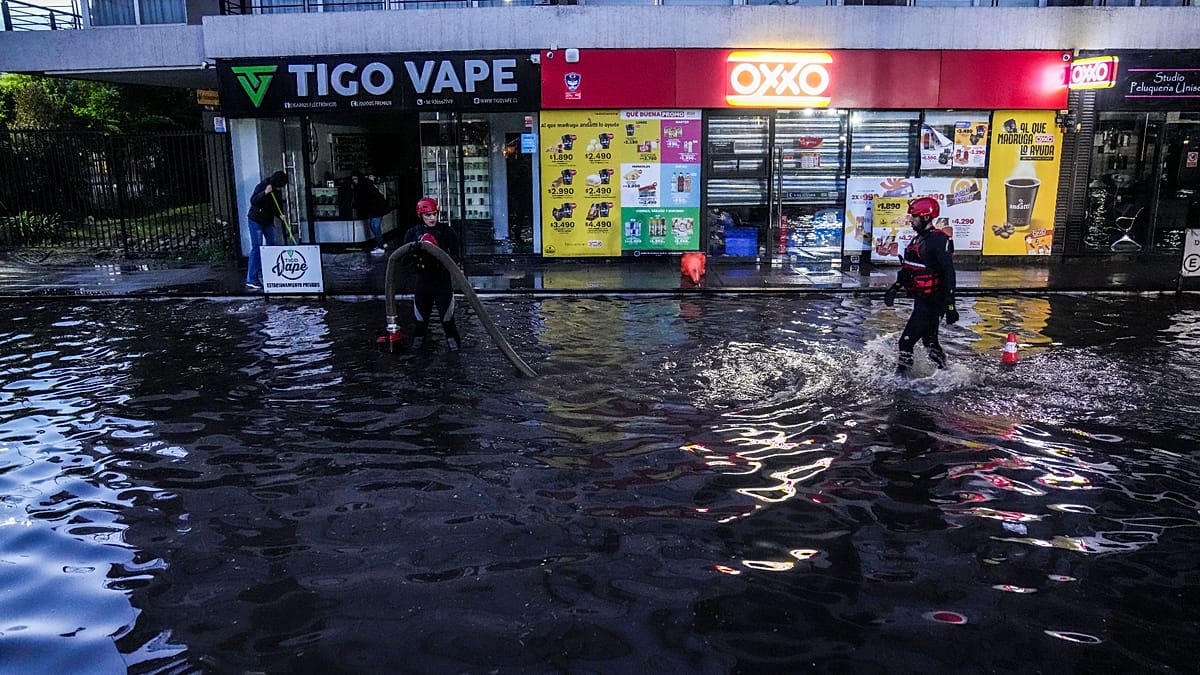
Severe weather lashed Chile's capital on Tuesday, as a powerful storm brought torrential rain, hail, and thunderstorms to Santiago. The deluge quickly overwhelmed drainage systems, turning streets into rivers and disrupting public transport across the metropolitan area. Chile's National Disaster Prevention and Response Service (Senapred) declared a red alert for the entire Metropolitan Region, signalling the highest level of emergency preparedness.
Power outages and transport chaos
The storm left more than 36,000 electricity customers without power, according to utility companies. Crews were deployed to restore service, but the scale of the damage meant some neighbourhoods remained in darkness for hours. The outages added to the sense of crisis as residents contended with flooded homes and businesses.
Public transport was severely affected, with metro services reporting delays and bus routes diverted due to flooded roads. Commuters faced long waits and difficult conditions as the city struggled to cope with the sudden downpour. Local authorities urged people to stay indoors and avoid unnecessary travel.
Red alert and emergency response
Senapred's red alert mobilises all available resources, including the military, to assist in emergency operations. The agency reported that several rivers and streams in the region were at risk of overflowing, and landslides were possible in foothill areas. Emergency services conducted evacuations in the most vulnerable zones, particularly in low-lying districts prone to flash flooding.
Mayor of Santiago, Irací Hassler, said in a press conference that the city was facing an "unprecedented" weather event and that all municipal teams were working to mitigate the impact. She added that temporary shelters had been opened for those displaced by the floods.
Climate context and regional impact
The storm is the latest in a series of extreme weather events to hit South America, a region increasingly affected by climate variability. While Chile's central zone is known for its Mediterranean climate, with dry summers and wet winters, the intensity of this autumn storm has surprised meteorologists. The country has been grappling with a prolonged drought, making the sudden deluge particularly challenging for infrastructure not designed for such volumes of water.
Elsewhere in the region, similar patterns have emerged. In neighbouring Argentina, heavy rains have also caused flooding in recent weeks. The events underscore the need for improved urban resilience and climate adaptation strategies across Latin America.
European parallels and lessons
For European readers, the Santiago storm offers a stark reminder of the vulnerabilities that come with urbanisation and climate change. European cities have faced their own extreme weather challenges, from the 2021 floods in Germany and Belgium to recent heatwaves in southern Europe. The situation in Santiago echoes the torrential rains that injured six people in the Chilean capital earlier this year, highlighting a worrying trend.
As Europe invests in green infrastructure and disaster preparedness, the Chilean experience provides a case study in the importance of early warning systems and robust emergency response. The push for renewable energy in Europe also gains relevance, as more resilient and decentralised power grids can help mitigate the impact of such storms.
Looking ahead
Forecasters expect the storm to move eastward over the next 24 hours, but further showers are possible. Authorities have advised residents to remain vigilant and to report any hazards to emergency services. The full extent of the damage is still being assessed, but the economic cost is likely to be significant, with businesses and infrastructure affected.
For now, Santiago is in recovery mode, with cleanup operations underway. The city's resilience will be tested again as climate change continues to bring more unpredictable and extreme weather. As the world watches, the lessons from Santiago may well inform how other cities, including those in Europe, prepare for the storms of the future.