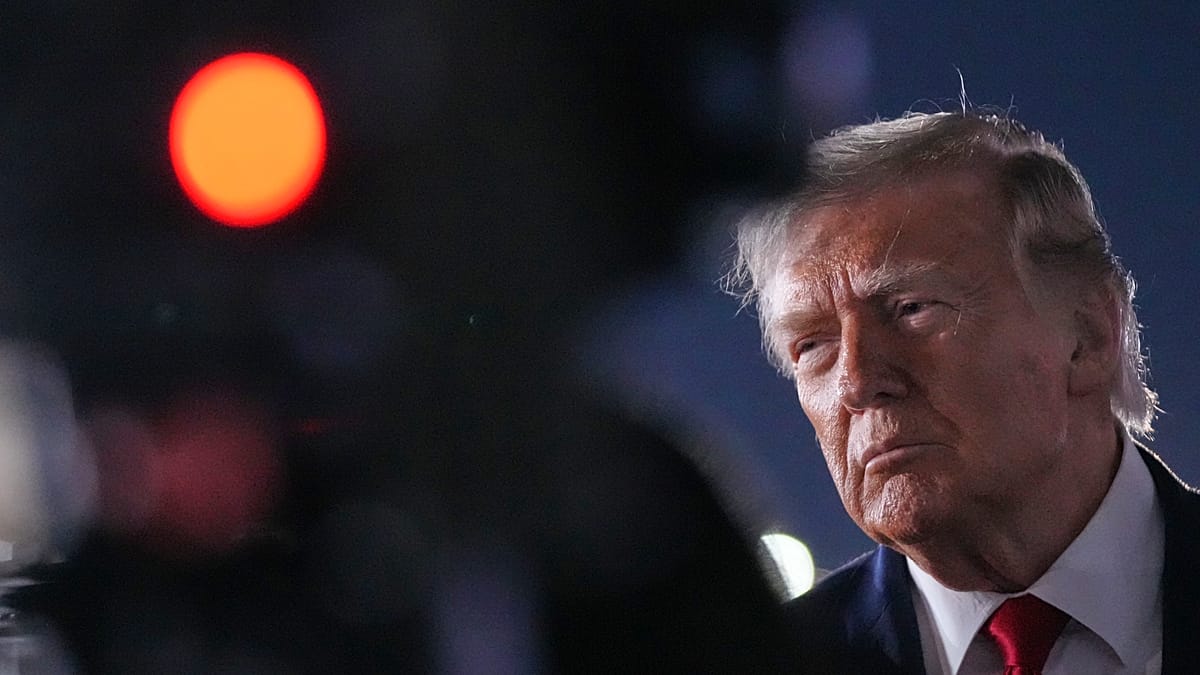
United States President Donald Trump said on Tuesday that a nuclear agreement with Iran could be reached within days, even as the region reeled from the most serious breach of the April ceasefire since it was signed. Speaking to journalists at John F. Kennedy International Airport in New York after watching the NBA Finals, Trump described a deal as having a 'good chance' of being signed in 'two or three days.'
'We're very close to having a very, very good, strong, powerful deal,' Trump said. He warned that further bombing would keep the Strait of Hormuz closed for months and cost many lives, but insisted that the US could 'very easily' destroy Iran's remaining military infrastructure if it chose to.
The president offered no details on what had prompted his renewed optimism. Mediators, led primarily by Pakistan, have struggled for weeks to bridge the gap between Washington and Tehran. The US demands that Iran surrender its stockpile of highly enriched uranium, believed to remain entombed after American airstrikes during the 12-day conflict in 2025. Iran refuses, insisting on sanctions relief and the release of frozen assets before any final agreement—conditions Trump has rejected.
Apache Down Near Hormuz
Meanwhile, a US Army Apache attack helicopter crashed near the Strait of Hormuz, a strategic waterway still under Tehran's chokehold. Trump confirmed that both crew members were 'fine' and that a report would be issued the following day. The cause of the crash remained unclear Tuesday morning; Iranian state media acknowledged the incident without elaboration, citing foreign reports.
Apache helicopters have been a key asset in the US-led blockade of Iranian crude oil shipments, part of the pressure campaign to force a deal. The United Arab Emirates has also used them to shoot down Iranian drones during the conflict.
The war, which began with US and Israeli strikes on Iran on 28 February, has shaken the global economy, driving up energy prices and making basic goods more expensive worldwide. European capitals, particularly Berlin, Paris, and London, have watched with growing alarm as the crisis threatens energy supplies and trade routes through the Strait of Hormuz.
Hezbollah War Still Threatens US-Iran Deal
Monday's exchange of fire between Iran and Israel—the first since the April ceasefire—raised fears of a return to full-scale war. Both sides later appeared to step back. Iran's military joint command announced it was halting offensive strikes, warning that further 'aggression and hostile acts' by Israel and its supporters, including in southern Lebanon, would be met with 'much more severe and crushing measures.'
Israeli Prime Minister Benjamin Netanyahu, in a videotaped statement, implied that the current round of fighting was over but warned that if Iran 'makes the mistake and returns to attacking us, we will respond with force.' He reiterated that Israel continues to operate against Hezbollah in Lebanon, asserting Israel's 'full right to self-defence.'
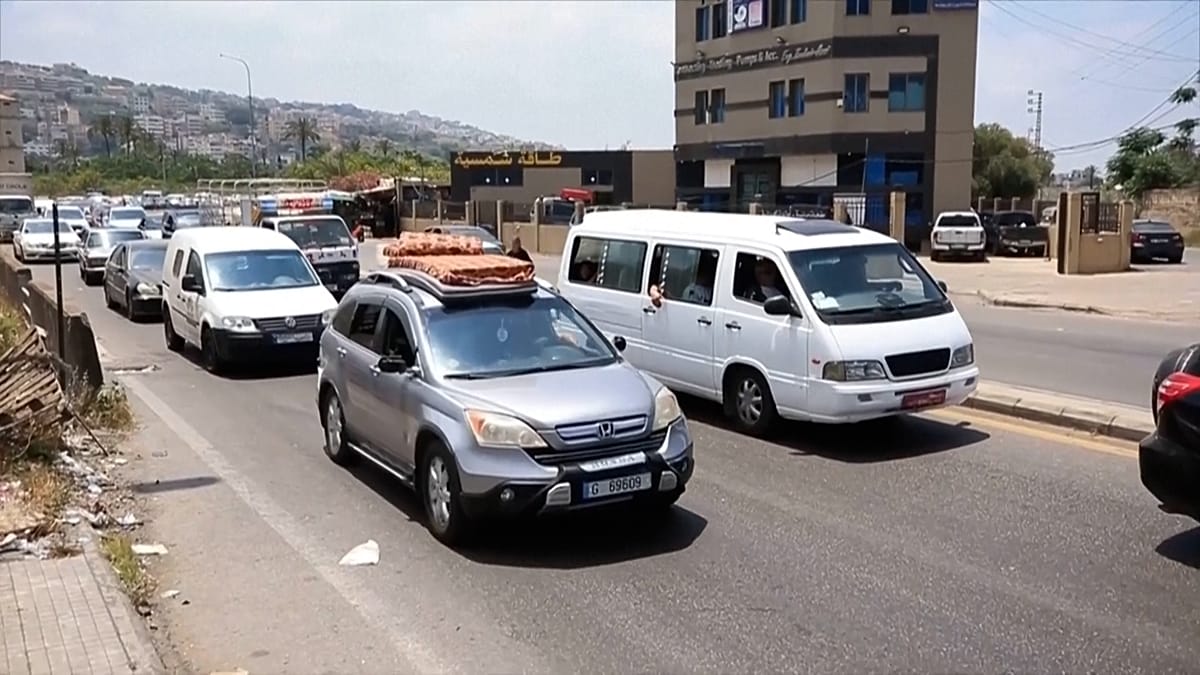
The situation in Lebanon remains volatile. On Tuesday, the Israeli military issued an evacuation warning for the southern port city of Tyre, including its Christian quarter, which had so far been spared in the airstrikes. Last week, Israel warned residents that it believed Hezbollah members were among them. The Lebanese army subsequently deployed to the Christian district to demonstrate that Hezbollah has no armed presence there, but Avichay Adraee, the Israeli military's Arabic-language spokesperson, posted on X that the military 'will have to act against their terrorist activities in the neighbourhood soon.'
For European policymakers, the intertwined conflicts in Iran and Lebanon pose a direct challenge to stability in the broader Middle East and to energy security. The European Union has repeatedly called for restraint and a return to diplomacy, but the Trump administration's unilateral approach has strained transatlantic ties. The risk of a wider war that could disrupt oil supplies and trigger new refugee flows remains high, even as both sides signal a willingness to step back from the brink.