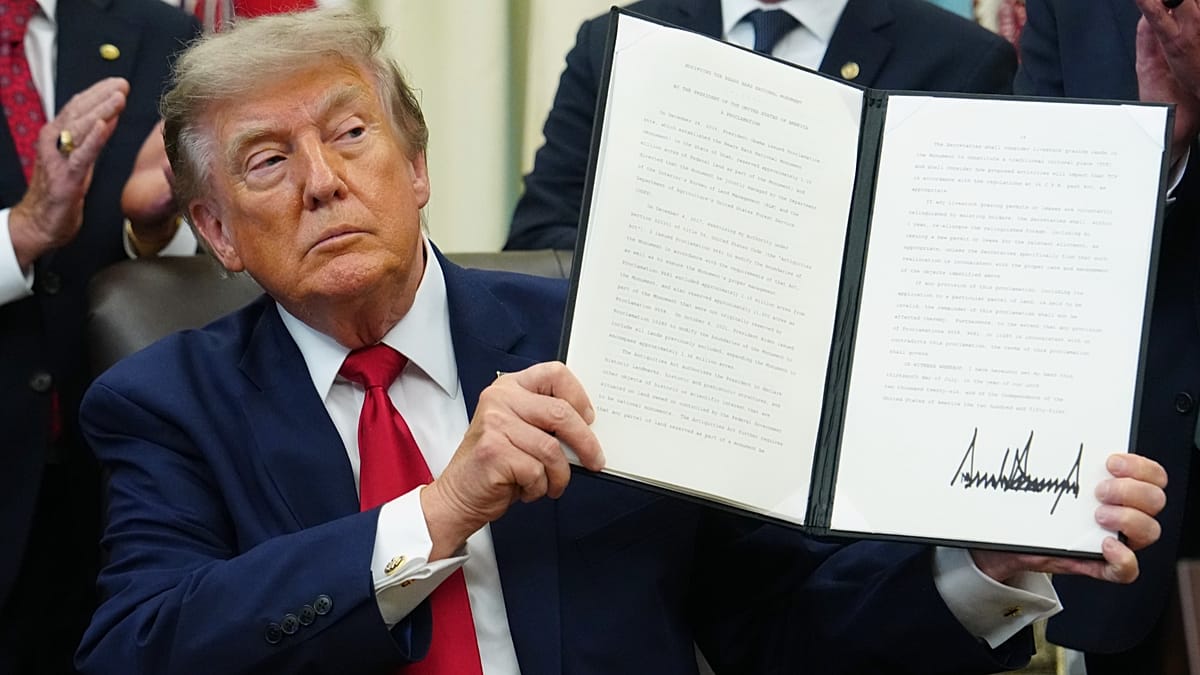
President Donald Trump told reporters on Monday that the United States is investigating whether Iran has stationed drones and possibly missiles in Cuba, warning that Washington would act if the reports prove accurate. Speaking from the Oval Office, Trump responded to a question from a conservative journalist about a previously undisclosed intelligence report, saying: "If they have them, and it's very possible that they do, we'll take care of it." He added that Secretary of State Marco Rubio was already briefed, suggesting the issue is on the State Department's agenda.
Trump offered no photographs, intelligence documents, or specifics on the number, model, or location of the alleged equipment. The only confirmed action is that Washington has opened a review—not that the weaponry exists or poses an imminent threat. Cuba has not yet commented on the president's claims.
A New Chapter in a Decades-Old Standoff
The remarks come at a time of escalating US pressure on Havana. The State Department recently designated ten Cuban-linked entities, including fuel traders Enetec S.A. and Coreydan S.A., as well as business groups Gecomex and Gemar, as part of what it calls an effort to curb "the malign activities of the Cuban regime." In June, sanctions targeted Cuban President Miguel Díaz-Canel, several family members, and Colonel Alejandro Castro Espín, son of former president Raúl Castro, who also faces a US indictment over the 1996 downing of two civilian planes.
These measures add to a trade and financial embargo first imposed in February 1962, following the Soviet Union's courting of Fidel Castro. The embargo remains in force today. In October 1962, the discovery of Soviet nuclear missile sites on Cuba triggered the Cuban Missile Crisis, bringing the world to the brink of nuclear war. Trump's latest allegations revive echoes of that Cold War confrontation, though the current context is markedly different.
Since the start of the year, the US has also imposed an energy blockade that Cuban authorities blame for nationwide power cuts, the most recent occurring last Friday. The island's infrastructure, already strained by six decades of sanctions, has been further weakened by these measures.
Iranian Drones and Regional Tensions
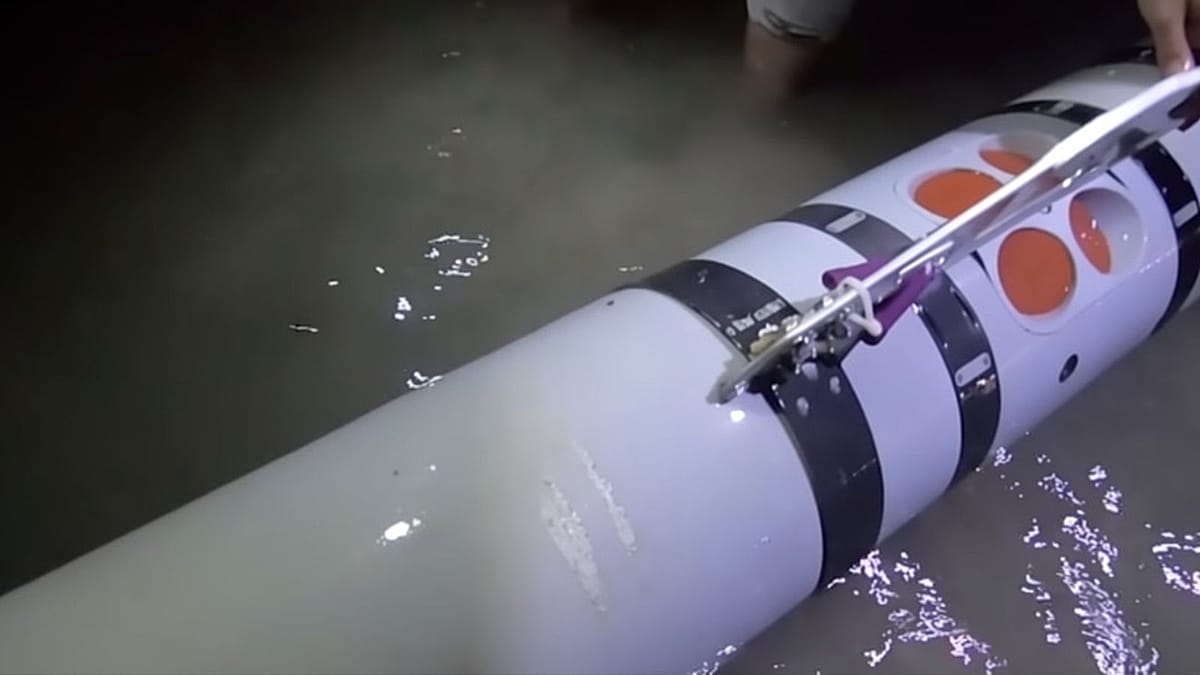
An Axios analysis, cited by several media outlets, claims that Cuba has incorporated more than 300 military drones of Russian and Iranian origin since 2023. The report suggests the Revolutionary Armed Forces are studying potential use of these systems against US targets such as the Guantánamo naval base or facilities in Key West. However, the analysis itself warns that portraying armed drones as defensive assets is "more a distortion of language than standard military doctrine," and stresses that any deployment would be the result of years of planning, not an improvised response to recent tensions.
The allegations come amid broader US-Iran friction. In recent months, the Trump administration has struck Iranian ports and reimposed a blockade on the Strait of Hormuz, demanding a 20% shipping fee. Trump has also threatened to 'completely decimate' Iran hours after agreeing to further talks, underscoring the volatility of US-Iran relations.
For European observers, the situation raises concerns about stability in the Caribbean and the potential for a new flashpoint in US-Cuba relations. The European Union has maintained a critical but engaged stance toward Cuba, advocating for human rights and economic reforms while opposing the extraterritorial application of US sanctions. Any escalation could complicate EU efforts to maintain dialogue with Havana and affect European investments on the island.
As of now, the only certainty is that Washington is reviewing the matter. Whether the alleged Iranian drones exist, and what response they might provoke, remains unclear. Cuba has yet to respond, and the international community watches warily for further developments.