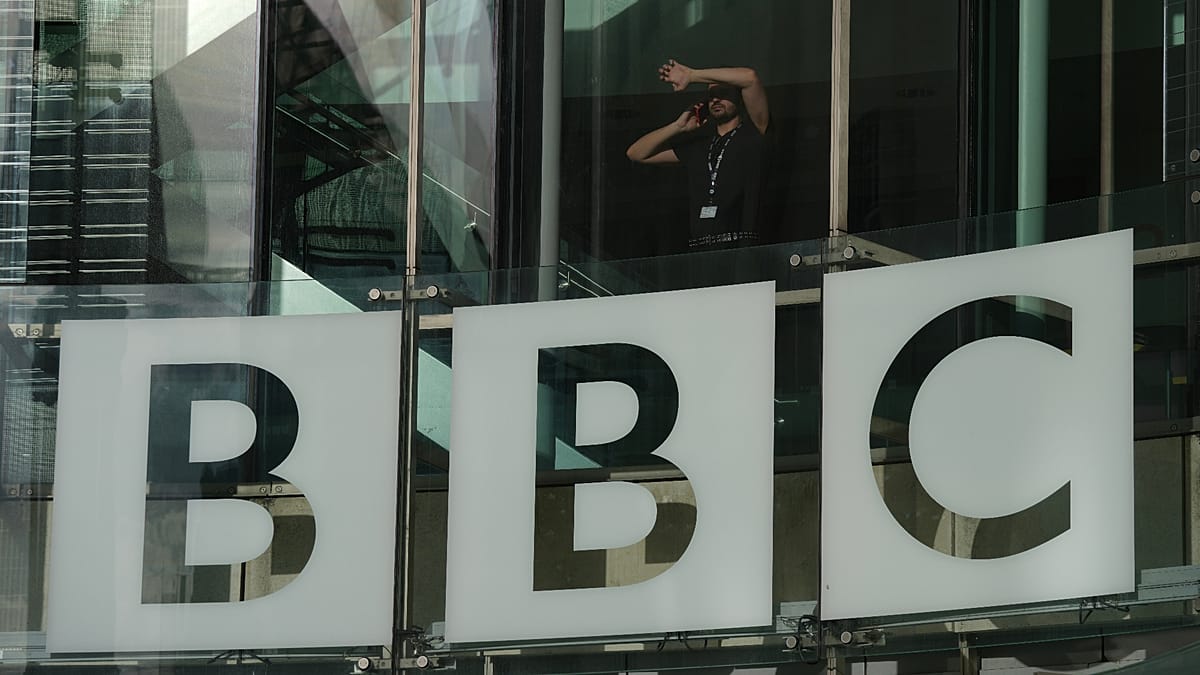
A federal judge in Florida has cleared the way for Donald Trump's defamation lawsuit against the BBC to go to trial, rejecting the broadcaster's attempt to have the case thrown out. The ruling, issued on Tuesday by US District Judge Jeffrey T. Kuntz, allows the core claim to proceed, though a second claim under Florida's consumer protection law was dismissed.
The case centres on a 2021 Panorama documentary that edited together two separate parts of a speech Trump gave on 6 January 2021, making it appear he explicitly urged supporters to attack the US Capitol. Trump alleges the BBC deceptively edited the programme to create a false impression of incitement.
Judge Kuntz's 40-page ruling noted that the gap between the spliced sections "tends toward a plausible inference that BBC knew or should have known that the segment they were creating would not and could not have been a truthful statement." He added: "This was not trimming around the edges but creating something different than what was stated in the speech."
The original lawsuit sought $10bn (€8.97bn), but with the dismissal of the Florida Deceptive and Unfair Trade Practices Act claim, the remaining defamation claim is for at least $5bn (€4.48bn). Trump hailed the decision on his Truth Social platform as "A Huge Victory," vowing to continue fighting "all of those who try to deceive the American People!"
The BBC expressed surprise at the ruling but said it respects the court's authority and remains confident in its position. A spokesperson noted the case will proceed to the next stage, and the broadcaster will continue to respond through the proper legal process.
The BBC has previously apologised for the edit, which led to the resignation of director general Tim Davie and head of news Deborah Turness. However, it denies that the programme caused Trump any real harm.
The ruling follows a separate setback for Trump last month, when a magistrate judge ordered him to give a deposition by 11 December. The BBC had accused him of avoiding efforts to obtain sworn testimony.
European implications
While the case is rooted in US politics, it has significant resonance for European media and legal observers. The BBC, as a public service broadcaster funded by UK licence fees, faces potential financial exposure that could affect its international operations, including its European news coverage. The outcome may also set a precedent for how European outlets handle archival footage of political figures, particularly in an era of heightened scrutiny over media editing practices.
The case also touches on transatlantic legal differences. US defamation law, shaped by the New York Times v. Sullivan standard, requires proof of actual malice for public figures, a higher bar than in many European jurisdictions. European courts, by contrast, often apply stricter rules on accuracy and the right to reputation, as seen in recent rulings by the European Court of Human Rights.
For European audiences, the trial will be watched closely as a test of how far editorial discretion can go when reporting on controversial political speeches. The BBC's defence is likely to argue that the edit did not materially alter the meaning of Trump's words, a claim that Judge Kuntz has now cast doubt on.
The case is scheduled to proceed to discovery, with Trump's deposition set for December. A trial date has not yet been fixed.