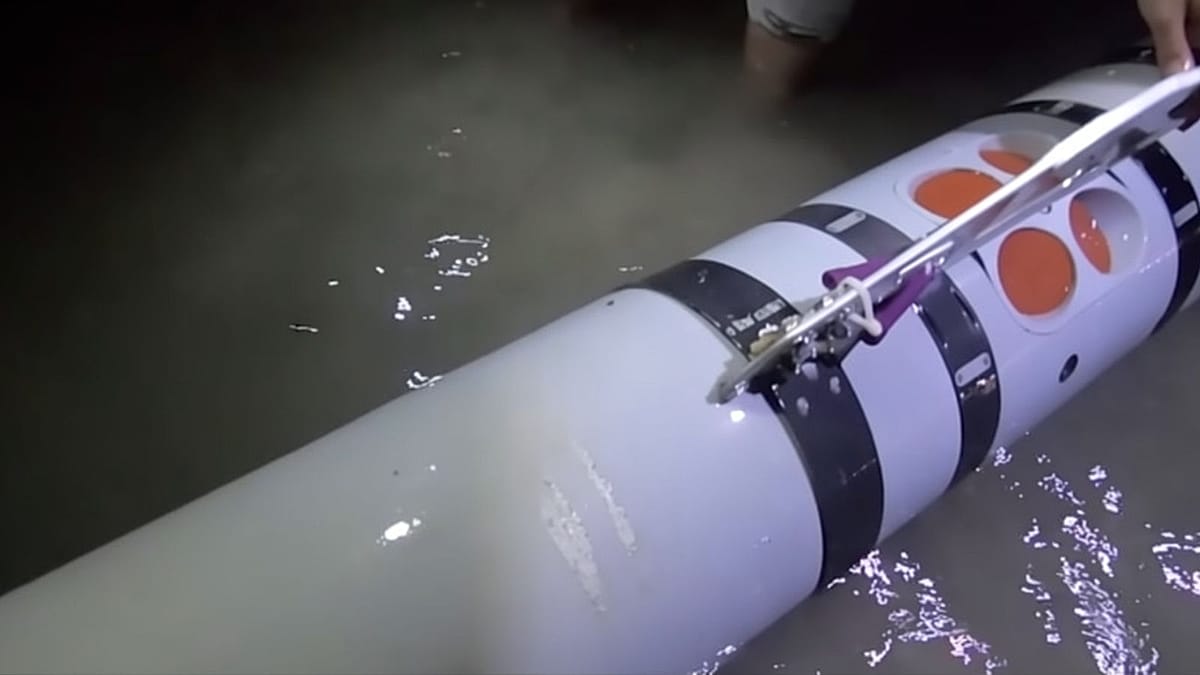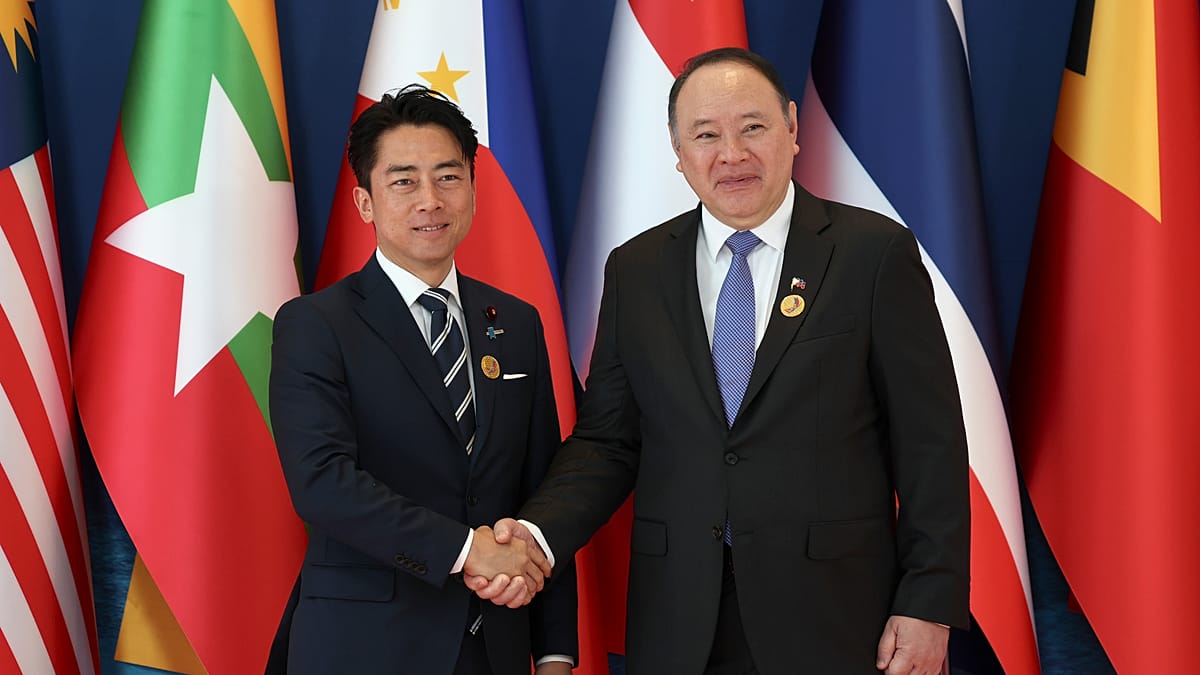
Japan has agreed to supply the Philippine military with a coastal radar system and surveillance drones, a move that deepens security cooperation between the two countries amid rising tensions in the region. The grant, worth 4.3 billion yen (€24 million), was formalised in Manila on Monday, with Philippine Foreign Secretary Maria Theresa Lazaro and Japanese Ambassador Katsuro Kitagawa signing the agreement.
The radar will be assigned to the Philippine Navy, while the drones will go to the Air Force. Japan's foreign ministry said the equipment would help protect shipping routes that are important to Japan, including those passing through the South China Sea and the Luzon Strait, the waterway separating the Philippines from Taiwan.
This is not the first such transfer. In February, Japan handed over five coastal radar systems to the Philippines under a 2023 grant. Tokyo has described the new radar as the first complete defence system it will supply under its Official Security Assistance (OSA) programme, which was launched in 2023 to provide military aid to like-minded countries.
Beijing's criticism
China has repeatedly criticised the OSA, accusing Japan of using development aid as a cover to build a security network around China. Beijing has also described Japan's expanding military role in the South China Sea as destabilising and has accused Tokyo of using its security partnerships with regional states to advance US strategic interests.
The Philippines and China both claim Scarborough Shoal, a contested feature in the South China Sea. On 30 October, China's military said it had sent ships and aircraft on patrol in the area. In a phone call on 3 November, Chinese Foreign Minister Wang Yi urged Manila to act cautiously over the dispute. Lazaro described the conversation as “frank and constructive” and said both sides wanted to keep talking.
China claims historic rights to resources across much of the South China Sea. In 2016, an international tribunal ruled in a case brought by the Philippines that those claims had no legal basis where they exceeded the rights granted by the UN Convention on the Law of the Sea. Beijing has rejected the ruling.
Broader defence cooperation
Beyond the radar and drones, Japan and the Philippines are discussing the transfer of an Abukuma-class destroyer to the Philippine navy. Their defence ministers said in October that they wanted the handover to take place as soon as possible after Japan retires the ship, which is expected in the coming years. Philippine crews would receive training first.
The European Union has also been active in supporting Philippine maritime security. In July, the EU approved a €15 million package to help Philippine forces monitor the country's waters. This reflects a broader European interest in maintaining freedom of navigation in the Indo-Pacific, a region crucial to global trade.
Japan's growing security role in the region comes as European defence companies, such as Italy's Leonardo, are expanding their own drone and space portfolios, as noted in Leonardo's record order book. Meanwhile, the EU's own military readiness goals face challenges, as highlighted in this analysis of EU defence spending.
The agreement underscores a convergence of interests between Tokyo, Manila, and Brussels in ensuring maritime security in the region. For the Philippines, the new equipment will enhance its ability to monitor its exclusive economic zone, a priority for President Ferdinand Marcos Jr.'s administration. For Japan, it is a step towards a more proactive security posture, one that has drawn both praise and criticism.