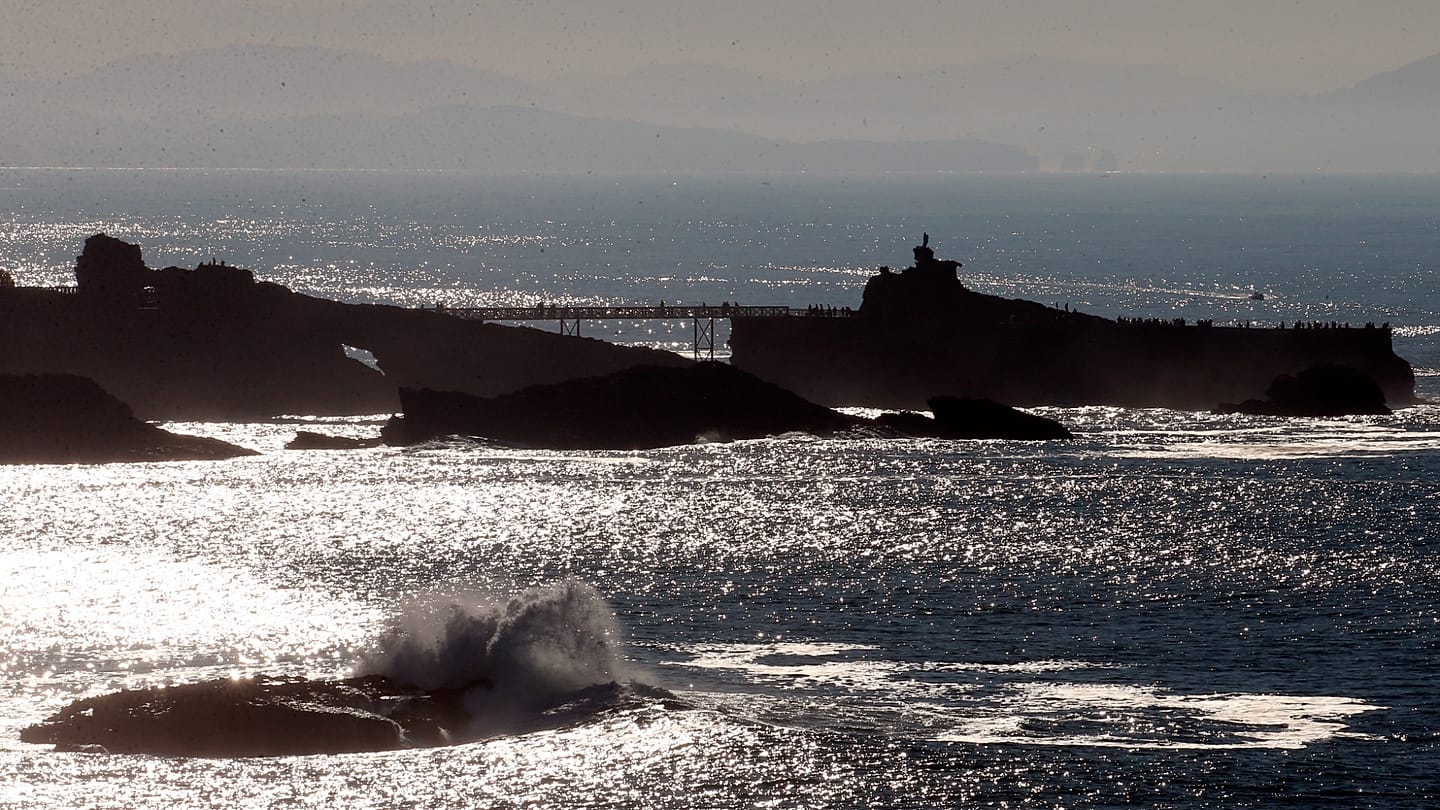
Warm weather across southwestern France drew thousands of beachgoers to the Gironde coastline over the weekend, but dangerous sea conditions turned deadly. French authorities confirmed that two swimmers died after being caught in powerful riptides, while more than 30 others were rescued by lifeguards and emergency services.
The incidents occurred along the Atlantic coast, a popular destination for both locals and tourists seeking sun and surf. The Gironde prefecture issued warnings about strong currents and urged swimmers to stay within designated safe zones. Despite these precautions, the combination of high temperatures and seemingly calm waters led many to underestimate the risks.
Riptides: A Persistent Danger
Riptides, also known as rip currents, are narrow channels of fast-moving water that can pull even strong swimmers out to sea. They are a common hazard along France's Atlantic coast, particularly during summer months when weather conditions shift. Local authorities have repeatedly stressed the importance of swimming only at beaches with lifeguards and paying attention to flag warnings.
In the wake of the fatalities, mayors along the Gironde coast have called for increased public awareness campaigns. Some have also proposed stricter enforcement of swimming bans in high-risk areas. The tragedy echoes similar incidents in recent years, underscoring the need for continuous vigilance.
France's national weather service, Météo-France, had issued a bulletin warning of rough seas and strong currents ahead of the weekend. However, many visitors ignored the advisories, drawn by the unseasonably warm weather. The region saw temperatures climb above 30°C, prompting a rush to the beaches.
Broader Implications for European Coastal Safety
The deaths highlight a recurring challenge across Europe's Atlantic and Mediterranean coastlines: balancing tourism and recreation with safety. Countries like Portugal, Spain, and Italy face similar issues, with riptides claiming dozens of lives each year. The European Union has funded several cross-border projects aimed at improving beach safety, including better signage and real-time hazard alerts.
In France, the tragedy has also reignited debate about the role of social media in encouraging risky behavior. Some officials have pointed to viral posts showing crowded beaches and calm-looking waters, which may have lulled visitors into a false sense of security. This comes amid broader concerns about digital platforms and their impact on public safety, as seen in the case of French families suing TikTok for algorithmic 'abuse of weakness'.
Local rescue services reported that many of those rescued were tourists unfamiliar with the coastline's specific dangers. Lifeguards performed dozens of interventions, using jet skis and rescue boards to reach swimmers caught in the currents. One rescuer described the conditions as "treacherous," with waves reaching up to three meters in some areas.
The Gironde prefecture has announced an investigation into the incidents, though initial reports suggest no negligence on the part of beach authorities. Meanwhile, the families of the deceased have been offered psychological support. The tragedy serves as a somber reminder of the power of the sea, even on days that appear idyllic.
As Europe's summer season approaches, authorities across the continent are urging caution. The European Commission's Joint Research Centre has developed a riptide forecasting tool that is being tested in several member states. France is expected to adopt similar technology in the coming years, potentially reducing the risk of future fatalities.