Two migrants lost their lives and hundreds more were rescued in a series of operations off the Greek islands of Crete and Gavdos over the weekend, as the flow of people crossing the Mediterranean from North Africa continues to intensify.
Greek coastguard figures, reported by the Associated Press, show that more than 1,100 migrants reached the two islands between Friday morning and Saturday afternoon. The operations involved the European Union's border agency Frontex and a private vessel, underscoring the multinational effort required to respond to the growing crisis.
In one operation on Saturday, rescuers found two people unconscious and brought 41 others to safety in a rocky coastal area of Gavdos, a small island south of Crete. Four survivors were transferred to Crete for medical treatment, according to the Greek newspaper Kathimerini. The cause of the two deaths has not yet been determined.
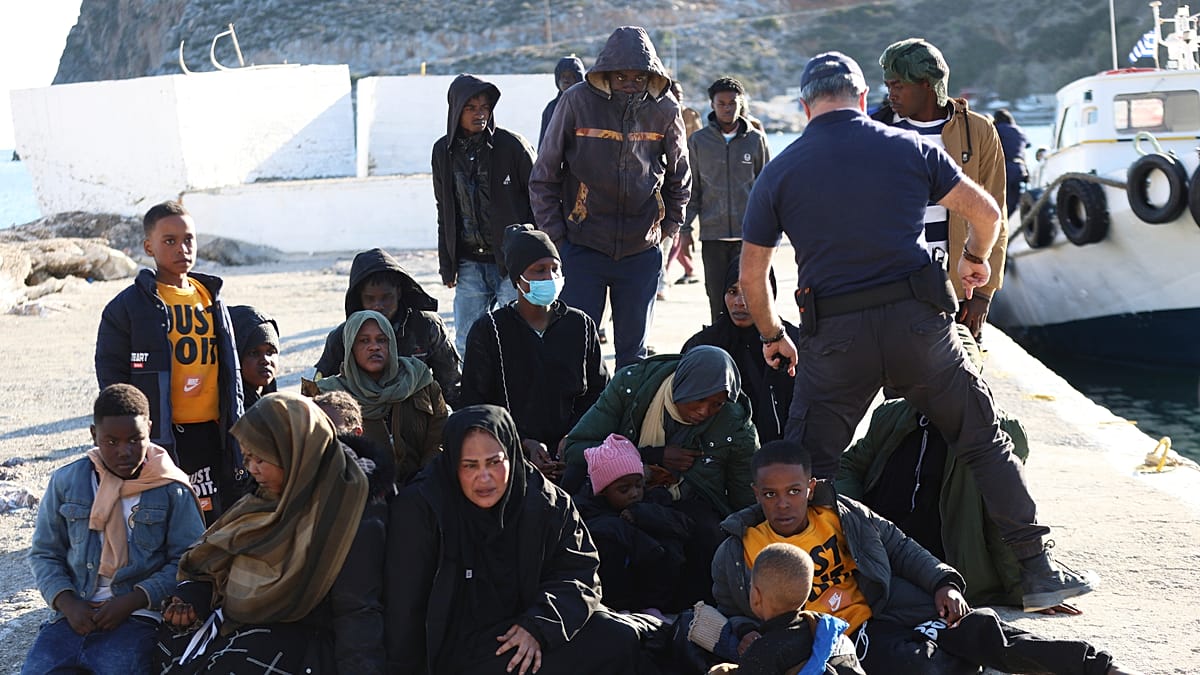
In a separate incident, 102 migrants, including 16 women and five minors, were taken to the port of Heraklion, Crete's largest city. These incidents highlight the mounting pressure on Greek authorities and the EU's external border.
An increasingly dangerous route
Crete and Gavdos have become key entry points into the European Union for migrants departing from North Africa, particularly from eastern Libya. The route is notoriously perilous, especially during the winter months when strong winds and rough seas can quickly turn overcrowded boats into emergencies.
According to data from early November, more than 23,000 migrants had reached Crete and the surrounding islands since the beginning of the year. This influx has placed considerable strain on local reception facilities, which are often ill-equipped to handle such numbers.
The dangers of this route were tragically illustrated earlier this month when at least 22 migrants died while attempting to reach southern Greece from Libya. The International Organization for Migration (IOM) has repeatedly warned that the growing number of crossings along this route has exposed significant shortcomings in search and rescue capabilities.
Greek authorities, along with Frontex, have been conducting frequent rescue operations, but the sheer volume of arrivals is stretching resources thin. The situation is further complicated by the fact that many boats are unseaworthy and overloaded, making rescues both dangerous and time-consuming.
The recent deaths have reignited debates about EU migration policy and the need for a more coordinated approach to asylum and border management. While some member states have called for stronger border controls, others have emphasized the importance of humanitarian obligations and burden-sharing.
As the winter season sets in, the risks are expected to increase. The IOM has called for enhanced search and rescue operations and for addressing the root causes of migration, including conflict, poverty, and instability in the region.
The situation in Greece is part of a broader European challenge. The EU has been working on a new migration pact, but progress has been slow. Meanwhile, the human cost continues to rise, with each rescue operation serving as a stark reminder of the perils faced by those seeking a better life in Europe.