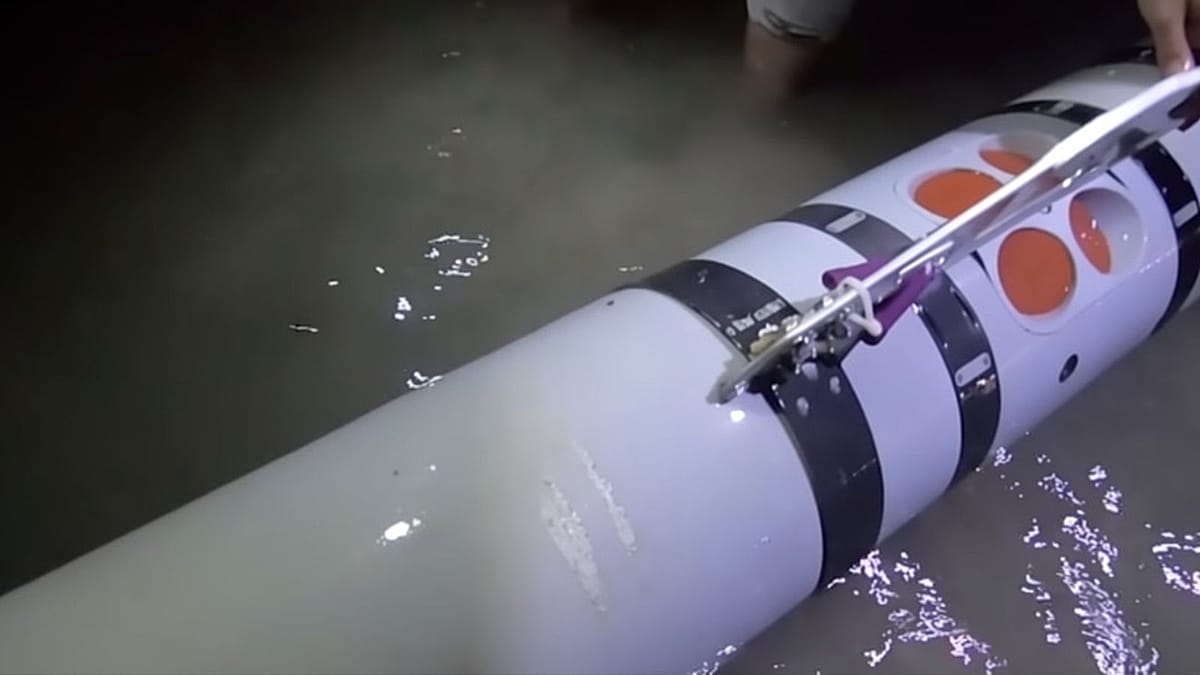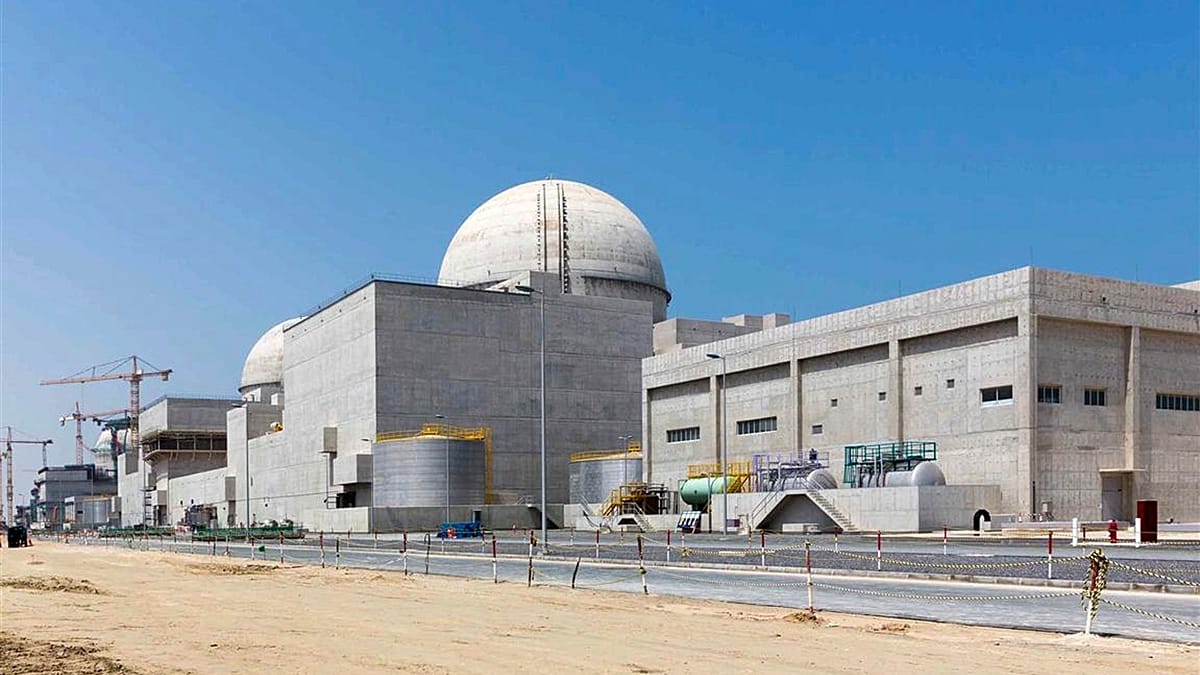
Twenty-four hours after an unprecedented drone strike on the Barakah nuclear power plant, the United Arab Emirates confirmed on Monday that it is investigating what it described as “an unprovoked terrorist attack.” According to an official statement, the unmanned aircraft “entered the country’s territory from the western border direction.”
The attack, which occurred on Sunday, ignited a fire in an electric generator located within the plant’s perimeter. The UAE’s statement stressed that no injuries were reported and that radiation safety levels remained unaffected. The Barakah facility, situated in the Al Dhafra region of Abu Dhabi, is the Arab world’s first nuclear power plant and has been operational since 2020.
No Official Blame on Tehran
Notably, neither the UAE nor its Gulf neighbours have publicly accused Iran of orchestrating the strike. This restraint is significant given the region’s heightened tensions and the constant aerial surveillance that Gulf states maintain to detect potential Iranian incursions. The absence of an accusation may suggest either inconclusive evidence or a deliberate effort to avoid escalation at a time when diplomatic channels remain fragile.
The UAE warned that it “will not tolerate any threat to its security and sovereignty under any circumstances, and that it reserves its full, sovereign, legitimate, diplomatic, and military rights to respond to any threats, allegations, or hostilities.” The language leaves the door open for a range of possible responses, from diplomatic démarches to military retaliation.
Dr Sultan Ahmed Al Jaber, the UAE’s Minister of Industry and Advanced Technology and CEO of the state-owned oil company ADNOC, issued a defiant statement on X. “The targeting of Barakah is a terrorist attack on a peaceful project, built to the highest safety standards, that powers homes, hospitals, and industries across the UAE, and on the right of every nation to build, to progress, and to deliver clean energy to its people,” he wrote. Al Jaber added that the Emirates’ “resolve only grows stronger” following the incident.
Regional Condemnation and Nuclear Safety Concerns
Condemnation poured in from across the Gulf and the wider Middle East. Qatar’s foreign ministry called the attack “a blatant violation of international law and a serious threat to regional security.” The statement echoed a broader sentiment that targeting civilian nuclear infrastructure crosses a red line, regardless of the perpetrator.
The World Nuclear Association, which represents the global nuclear industry, confirmed on Monday that the Barakah plant continues to operate safely. “We call on those responsible for military activity of any kind in the proximity of this nuclear power plant, and all civilian energy facilities, to revisit the agreements of the Geneva conventions,” the organisation said in a statement.
The incident comes amid a volatile regional backdrop. The drone strike near the UAE nuclear plant has heightened fears about the fragility of the Iran ceasefire, as diplomatic efforts to contain Tehran’s nuclear programme remain stalled. Meanwhile, the broader use of drones in conflict zones continues to escalate, with Russian drone barrages hitting residential areas in Kharkiv and other Ukrainian cities, underscoring the weapon’s growing role in modern warfare.
For European observers, the Barakah attack raises uncomfortable questions about the security of civilian nuclear facilities in an era of cheap, accessible drone technology. While the UAE’s plant is designed to withstand aircraft impacts, the breach of its perimeter by a drone—even one that only damaged a non-reactor component—exposes vulnerabilities that nuclear regulators in Paris, Berlin, and London will be studying closely. The European Union has long advocated for stricter international norms on the protection of nuclear sites, and this incident may accelerate calls for binding protocols.
As the investigation continues, the UAE’s measured response suggests a preference for de-escalation. But the underlying tensions—between Gulf states and Iran, between nuclear ambitions and security realities—remain unresolved. The Barakah plant, a symbol of the UAE’s push for clean energy diversification, has now also become a symbol of the region’s precarious stability.