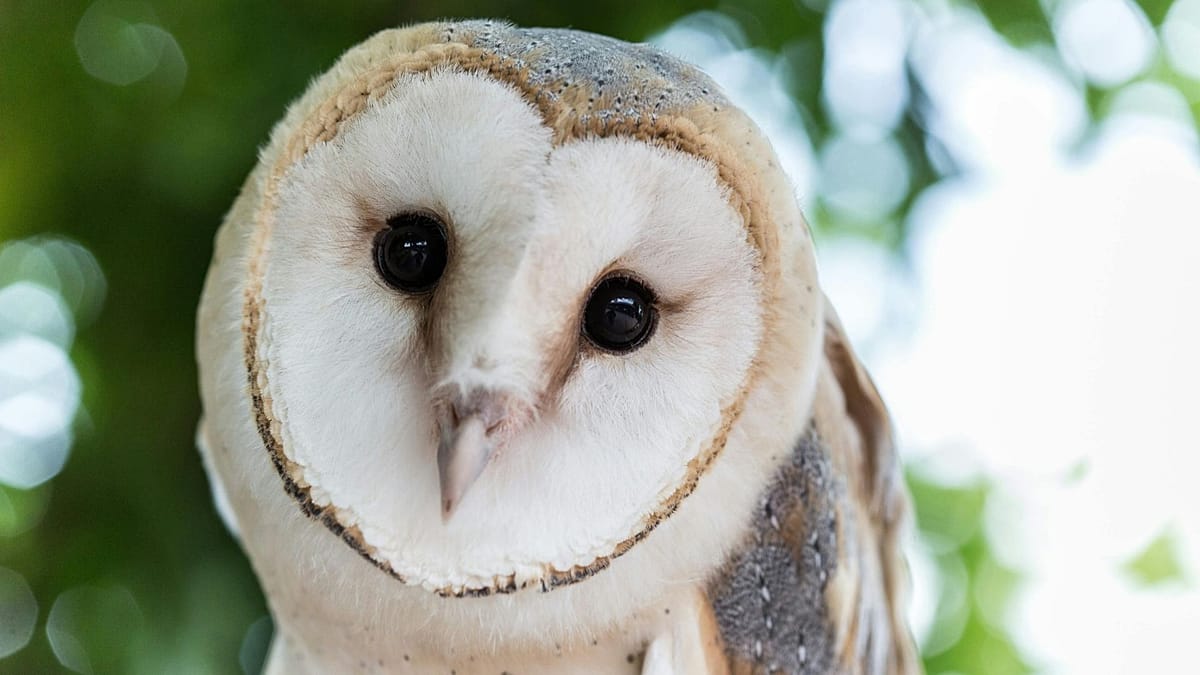
The Bank of England has announced that four native species will feature on the next series of UK banknotes, replacing the historical figures that currently adorn the reverse side. After a public consultation and a vote involving nearly half a million people, the Atlantic puffin, barn owl, buff-tailed bumblebee and European hedgehog were selected to represent the country's wildlife.
The move marks a significant shift in how the UK chooses to portray itself on its currency. The current notes feature figures such as writer Jane Austen, artist JMW Turner, scientist Alan Turing and wartime Prime Minister Winston Churchill. The new designs will instead celebrate the natural world, a theme that resonated strongly with the public.
Nature wins the vote
In the initial consultation held in July 2025, nature was the most popular theme among 44,000 respondents, capturing 60 per cent of the vote. It was followed by architecture and landmarks (56 per cent), notable historical figures (38 per cent), arts, culture and sport (30 per cent), innovation (23 per cent) and noteworthy milestones (19 per cent).
“This is a powerful reminder of how deeply people feel connected to and value British wildlife,” said Ali Fisher, founder and director of sustainability consultancy Plans with Purpose. “It’s a beautiful opportunity to put biodiversity literally in all our hands.”
The selection process involved a panel of UK wildlife experts who compiled a shortlist of 18 options across three categories: mammals; birds; and amphibians, insects and fish. The public then voted on their favourites. The barn owl, buff-tailed bumblebee and European hedgehog were the most popular in their respective categories. The Atlantic puffin, as the most popular marine animal, was included to add variety and to “celebrate the British coastline”, according to the Bank of England.
Scottish wildlife filmmaker Gordon Buchanan, who served on the expert panel, said: “Nature is more than just scenery, it is the living thread that binds our landscapes, our history, and our future together. To protect nature is to protect the quiet, resilient heartbeat of the land itself.”
Wildlife presenter and activist Nadeem Perera echoed that sentiment: “The wildlife of the UK is not separate from our culture. It sits in our football crests, our folklore, our coastlines and our childhoods. Giving it space on something as symbolic as our currency feels both overdue and significant.”
Security and symbolism
Beyond the symbolic value, the new notes are designed with practical considerations in mind. Victoria Cleland, chief cashier at the Bank of England, explained that the primary driver for introducing a new series is always to increase counterfeit resilience. “Nature is a great choice from a banknote authentication perspective,” she said, because it lends itself to developing security features that are easy for the public to recognise and distinguish.
The Bank of England has not yet decided which animal will appear on which denomination, and it will take several years to design, test and print the new notes. The first of the new series is expected to be launched within the next few years.
Not everyone is entirely satisfied with the choices. The RSPCA had called for “underdog” species such as pigeons, gulls and foxes to be included, arguing that this could help change perceptions of misunderstood animals. While the red fox was on the shortlist, it did not make the final cut. Dr Ros Clubb, head of wild animals at the RSPCA, said: “It's great that the Bank of England has pulled together a diverse shortlist... although we would love to see more animal underdogs make the cut.”
The UK is not alone in putting nature on its money. Several other European countries already feature wildlife on their banknotes, including Norway, whose krone series showcases images of the sea. The European Central Bank is also considering nature-themed designs for the next euro series, with finalist designs currently being reviewed. This trend reflects a broader European appreciation for biodiversity and its role in cultural identity.
As the UK prepares to see puffins, owls, bees and hedgehogs in wallets and tills, the move is being seen as a small but meaningful step toward recognising the importance of the natural world in everyday life.