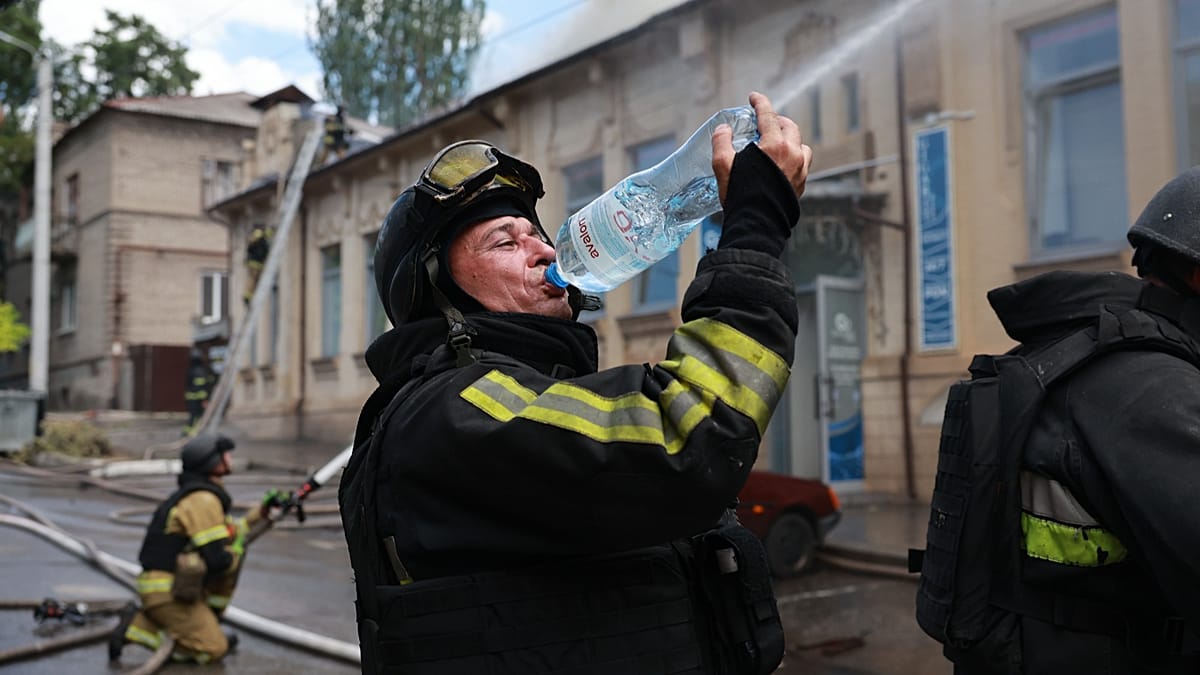
Ukraine is preparing for a severe heatwave that is expected to push temperatures above 35°C in the coming days, placing additional strain on an energy network already crippled by more than two years of war. The state Hydrometeorological Centre has warned of "intense heat," with forecasts of 35°C to 38°C across much of the country.
Since Russia's full-scale invasion in February 2022, repeated drone and missile strikes have caused tens of billions of euros in damage to Ukraine's power infrastructure. The grid has struggled to maintain supply during both winter cold and summer heat, leading to frequent blackouts. Now, as the heatwave moves eastward from western Europe, grid operators in at least five regions—from Ivano-Frankivsk in the west to Zaporizhzhia on the front line in the south—have announced temporary restrictions on energy usage for parts of Tuesday.
Grid Operating at Its Limit
Sergii Kovalenko, CEO of the energy company Yasno, noted that summer is typically the peak period for repairs, but the grid has been further weakened by winter attacks. "The heat is also a serious test for equipment that has been operating under wartime conditions for more than four years and has withstood numerous attacks," he said over the weekend. He added that the power system would be "operating in a very strained mode" in the coming days.
The heatwave first hit western Europe last week, breaking temperature records and overwhelming hospitals, transport networks, and power grids not designed for such extremes. According to the UN health agency, more than 1,300 excess deaths have been recorded across Europe since 21 June. Several small children died in locked cars, and youths drowned while seeking relief in unsupervised swimming spots. France reported at least 74 drowning deaths since 18 June, while Poland said 17 people drowned on a single Sunday.
In Vienna, resident Susanne told AFP she was trying to stay in the shade and drink plenty of water, but expressed hope that politicians would "understand the situation and will begin to set a course in the right direction."
The Balkans are now bracing for temperatures up to 40°C, with firefighters in Bosnia battling blazes sparked by the heat. At least 130 million people across Europe are expected to experience temperatures above 35°C, down from 190 million on Sunday, according to an AFP analysis. Scientists from the World Weather Attribution group have stated that this heatwave is the most severe ever recorded in Europe and would have been "virtually impossible" this early in summer without climate change.
Ukraine's energy challenges are compounded by ongoing attacks on its infrastructure. Meanwhile, Ukrainian strikes have targeted Russian oil refineries, as both sides continue their energy campaigns. The broader European context includes efforts by EU energy ministers to gain greater control over the bloc's future grid, following clashes with the European Commission.