The United Nations and the International Committee of the Red Cross (ICRC) have issued a joint appeal for urgent international regulation of autonomous weapons, warning that the world is "dangerously close" to a future where machines could select and attack human targets without human intervention.
In a statement released on Tuesday, UN Secretary-General António Guterres and ICRC President Mirjana Spoljaric Egger said that while their fundamental concerns have not changed, "the risks have intensified." They reiterated a call first made in 2023 for states to agree on specific bans and restrictions on lethal autonomous weapon systems by the end of this year.
"We are now dangerously close to crossing a moral red line: the autonomous targeting of humans by machines," they warned.
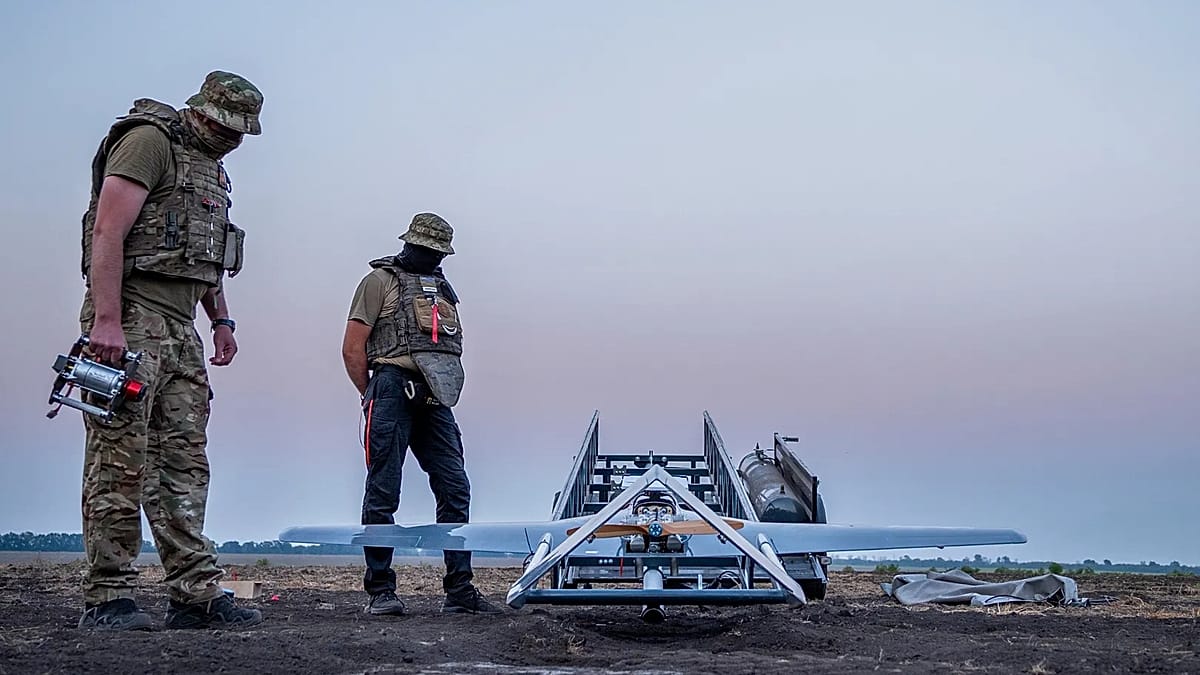
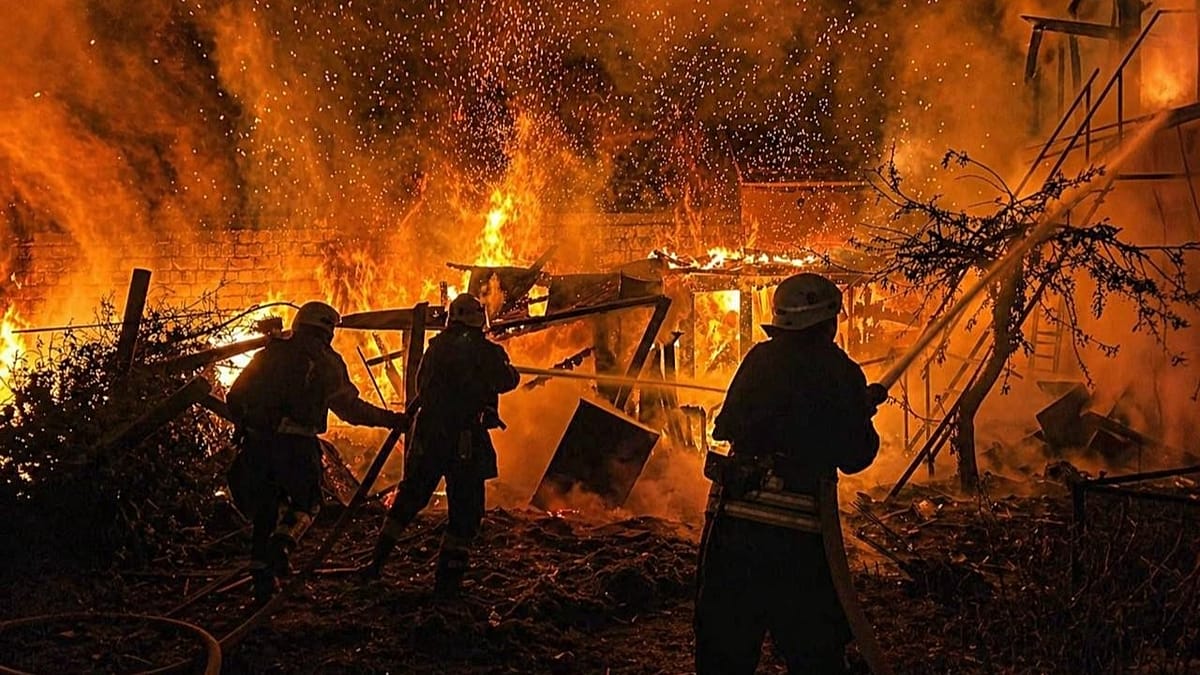
Lethal autonomous weapon systems are generally understood as weapons that can select and engage targets without human control. To date, there has been no confirmed use of fully autonomous weapons in conflict. But with rising global tensions and the widespread use of drones in the war in Ukraine and in the Middle East, concerns are mounting that such systems could soon be deployed.
A decade of talks, little progress
Discussions on regulating autonomous weapons have been underway for more than a decade, but no specific treaty exists. In November, states are expected to decide whether to begin formal negotiations on a legally binding instrument.
Guterres and Spoljaric Egger stressed that the technology is not a distant prospect. "Autonomous weapon systems are not part of a distant future: a race towards greater autonomy in weapons systems is already well under way," they said.
They also pointed to the growing number of scientists and engineers who have themselves raised alarms about the implications of their work. "When the architects of this technology are calling for limits, states cannot afford to remain passive," the statement read.
The two leaders called for "political courage," warning that "a failure to act quickly and decisively will cost lives."
The appeal comes as European governments, including those in Berlin, Paris, and The Hague, have been grappling with how to approach the issue. Some EU member states have pushed for a strong international treaty, while others remain cautious about restricting military innovation. The European Parliament has previously called for a common EU position in favor of a ban on fully autonomous weapons.
Civil society groups and humanitarian organizations have long argued that autonomous weapons pose unacceptable risks to civilians, particularly in densely populated areas. The ICRC has been at the forefront of these efforts, drawing on its experience in conflict zones across the Middle East, Africa, and Europe.
As the November decision approaches, the UN and Red Cross are urging states to act before it is too late. "Future generations will ask whether leaders acted when there was still a chance to set limits before these weapons proliferated beyond control," they said.