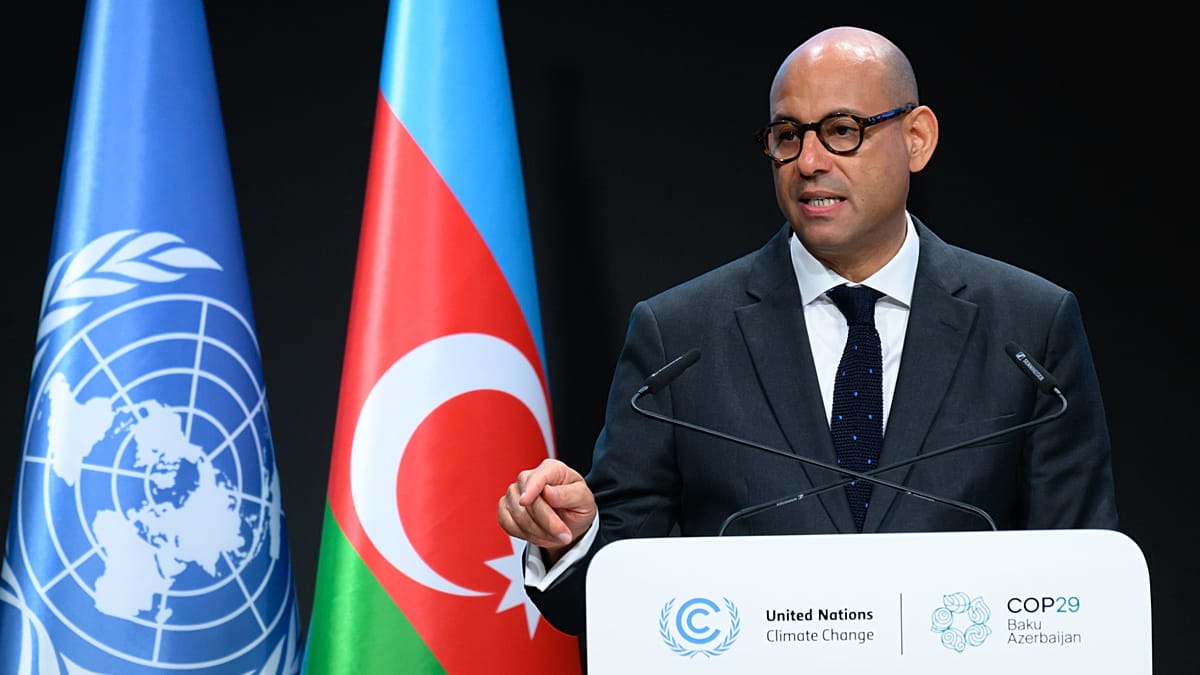
Simon Stiell, the UN's top climate official, has delivered a stark warning to European lawmakers: the continent's record-breaking summer heat is a direct consequence of the world's continued reliance on fossil fuels. Speaking to the European Parliament's Committee on the Environment, Climate and Food Safety in Brussels, Stiell urged EU politicians to "double down" on climate leadership and accelerate the shift to clean energy.
"Europe's summer has been hot as hell. This is the price of global fossil fuel addiction hitting home," said Stiell, who serves as Executive Secretary of the UN Framework Convention on Climate Change (UNFCCC). He framed climate action not as a burden but as an essential investment: "It's entirely in Europe's interests to stand firm behind climate action – and to boost it: to build resilience to climate impacts – protecting global supply chains, on which all economies depend. And to slash global emissions."
Climate action as insurance
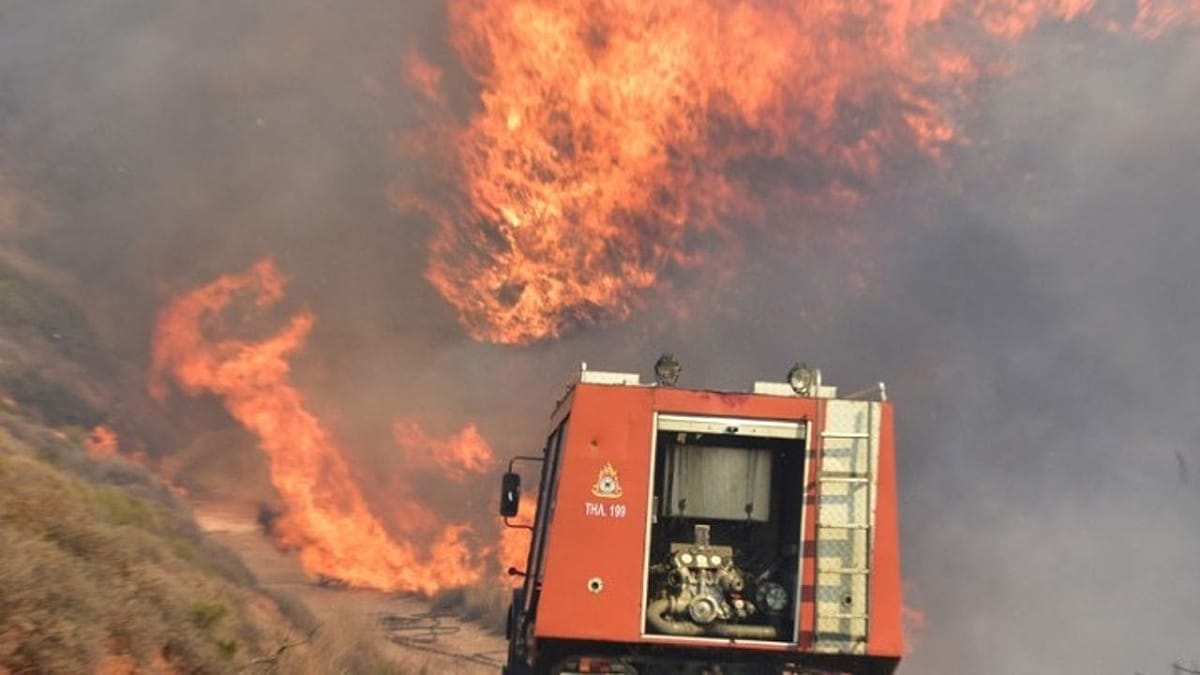
Stiell detailed the tangible costs of this summer's extreme weather, which brought the hottest temperatures on record for the UK and Italy, with more countries likely to confirm similar records. "We've seen mass evacuations. Power stations closed. And trade routes choked. Crops lost. Yields down. And food prices up – and set to rise further," he said. The human toll was severe, with tens of thousands of excess deaths across Europe, including 14,000 in Germany and 5,232 in Spain – the latter the highest figure since 2015.
The economic damage is mounting. Stiell noted that disasters are pushing up insurance premiums, leaving some properties "entirely uninsurable." A 2024 report by Insure Our Future found that climate change was responsible for more than a third of all weather-related insurance losses over the previous two decades. However, it is not private insurers that ultimately absorb the cost, but public budgets. A study commissioned by MEP Lena Schilling (Greens/Austria) and conducted by the University of Vienna found that between 1980 and 2021, extreme weather caused economic losses exceeding €560 billion across the EU's 27 member states, with only 25–33 per cent insured.
Professor Sigrid Stagl, the study's author, described climate action as "life insurance for the planet." She pointed out that investing just 1–2 per cent of global economic output could avert losses of 11–27 per cent of GDP, with every euro spent yielding savings of five to fourteen euros. Stiell echoed this, saying, "Climate action is Europe's cheapest insurance policy."
Economic stakes and opportunities
Stiell linked climate inaction directly to the economic concerns that dominate political discourse. "One study calculates this summer's extremes will cost Europe €180 billion – in lost labour productivity, and disruption to food, energy and transport. That's equivalent to carving a full percentage point from European GDP – the same amount the EU economy is forecast to grow," he said. He warned that being "soft on climate action" means being "soft on inflation and the cost of living, soft on sovereignty and security, and soft on economic growth and jobs."
He stressed that climate change cuts across the core concerns of voters, regardless of their political leanings: "family health, community safety and economic stability. Affordable food and available water. Jobs, business costs, and household bills."
Stiell asserted that clean energy is the answer: "Clean energy is the surest path to deliver, cheaply and safely." He noted that renewables now provide around half of Europe's power, and that during the first six months of the Middle East conflict, solar energy alone saved Europe more than €30 billion in avoided gas imports. He also highlighted Europe's leadership in clean technology, with around one in four new cars sold in Europe now electric.
Looking to COP31
Stiell called on EU lawmakers to throw their weight behind COP31, which will take place in Antalya, Türkiye, from 9 to 20 November 2026. He emphasised that each COP builds on the last: "From a global agreement in Dubai to transition away from all fossil fuels. To a new climate finance goal in Baku. And steps forward on a just transition in Belem, which ushered in the era of implementation."
He urged politicians to arrive at the talks prepared with clear goals and a willingness to compromise. One of the COP Presidency's priorities is for electricity to meet 35 per cent of final global energy demand by 2035. Stiell stressed that Europe is well-positioned to lead on this front, given its accelerating battery deployment and electric vehicle adoption.
The UN's message is clear: Europe's future prosperity and security depend on embracing the energy transition. As Stiell put it, "To be soft on climate action is to be soft on inflation and the cost of living." The choice, he suggests, is between paying now for resilience or paying far more later for disaster.