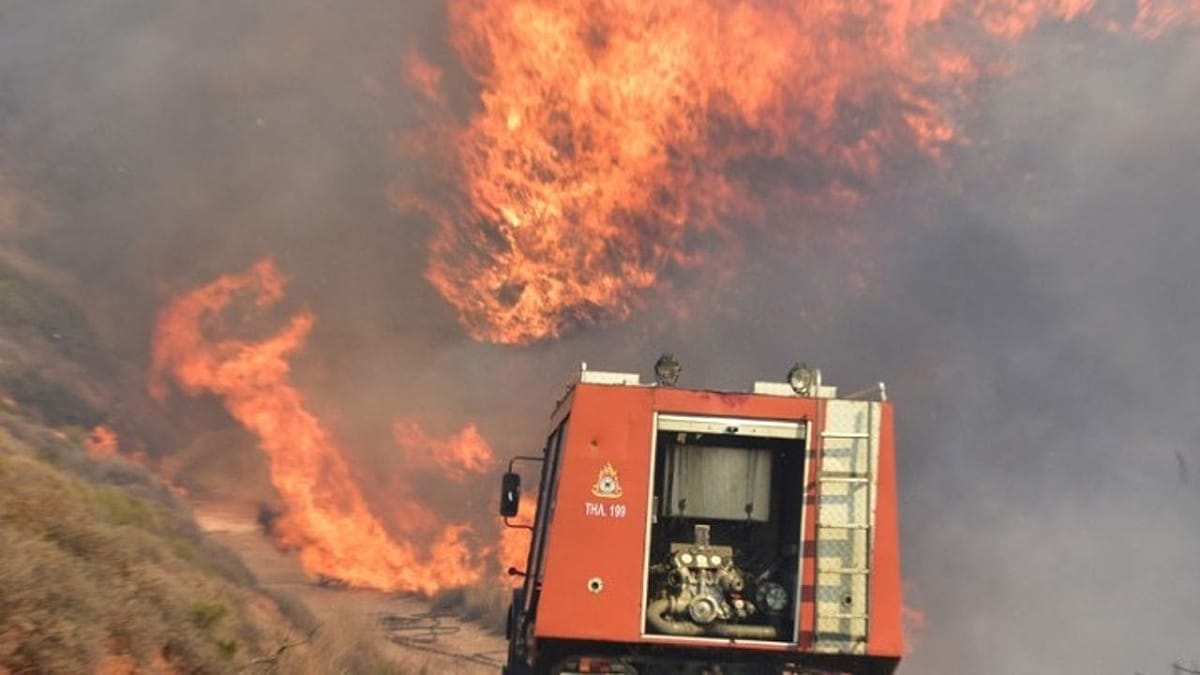
The European Union's climate monitor, Copernicus, confirmed that August 2026 matched the hottest month ever recorded globally. The global average air temperature for the month reached 1.65°C above the pre-industrial reference value, tying the previous record set in July 2023. This marks another stark milestone in a year of relentless climate extremes.
Europe's summer of extremes
For Europe, the summer of 2026 was particularly brutal. Western Europe experienced its hottest summer on record, shattering the previous benchmark set in 2003. Prolonged and early heatwaves struck the region, with temperatures soaring well above seasonal norms from June through August. Cities like Paris, Madrid, and Lisbon endured multiple heat spikes, with nighttime temperatures offering little relief.
Spain was among the hardest hit, recording its hottest summer ever with 61 official heatwave days. The prolonged heat exacerbated drought conditions, strained water supplies, and put pressure on agriculture and energy grids. Spain's summer of 2026 became a case study in the new reality of European summers.
The heat was not confined to the Iberian Peninsula. France, Germany, Italy, and the Benelux countries all saw extended periods of above-average temperatures. In the United Kingdom, the Met Office reported its warmest August on record, with several days exceeding 35°C. The early onset of heatwaves caught many by surprise, as May already brought temperatures typical of midsummer.
Global context and climate science
Globally, the record heat was driven by a combination of long-term warming from greenhouse gas emissions and natural variability, including a developing El Niño. Copernicus scientists noted that the past 12 months have all been among the warmest on record, with 2026 on track to be one of the hottest years ever measured.
The 1.65°C anomaly is particularly significant because it pushes the world closer to the 1.5°C threshold set by the Paris Agreement. While a single month above this level does not constitute a breach of the long-term target, it underscores the urgency of emissions reductions. Carlo Buontempo, director of Copernicus, stated: "We are seeing a clear and accelerating trend. Every fraction of a degree matters, and the impacts are being felt across the continent."
Europe's response to extreme heat has been mixed. While some cities have implemented heat action plans, including early warning systems and cooling centers, others have struggled to adapt. The health impacts are severe: heat-related mortality has risen, particularly among the elderly and urban populations. EU climate monitoring has become a critical tool for policymakers, but adaptation efforts remain uneven.
Economic and social consequences
The economic toll of the heatwave is mounting. Agricultural yields have dropped across southern Europe, with olive oil production in Spain and Italy falling sharply. Tourism, a cornerstone of many Mediterranean economies, has been disrupted as visitors seek cooler destinations. In Portugal, record fuel prices have added to the strain, as air conditioning and transport costs soar.
Energy systems have been tested, with electricity demand peaking as cooling needs rise. In France, nuclear reactors were temporarily curtailed due to low river levels, affecting output. Germany's renewable grid performed well, but coal and gas plants were called upon to fill gaps, raising emissions.
The heat has also amplified existing inequalities. Vulnerable communities, including migrant workers and low-income households, face the greatest risks. Urban heat islands make cities particularly dangerous, and green infrastructure remains inadequate in many areas.
Looking ahead
As Europe braces for more extreme summers, the need for ambitious climate policy is clearer than ever. The European Green Deal, with its goal of climate neutrality by 2050, is a step in the right direction, but implementation lags. The recent EU Arctic strategy update reflects growing awareness of climate security, but domestic action must accelerate.
Copernicus data will continue to inform decisions, but the window for meaningful action is narrowing. The record heat of August 2026 is not an anomaly; it is a preview of the future if emissions are not drastically reduced. European leaders, from Berlin to Lisbon, must treat this as a wake-up call.